3 weeks ago
Iraqi PM, Saudi intelligence chief meet as militias delay response

Iraq and Saudi Arabia are two countries in the Middle East.
Their leaders met to talk about keeping the region safe.
Last month, Saudi Arabia attacked some groups in Iraq.
Saudi Arabia said those groups had attacked its oil places.
The groups are friends with Iran, another country.
The groups promised to fight back.
But they decided to wait for now.
A powerful Iraqi leader named Hadi al-Amiri asked them to wait.
Iraq's leader said Iraq will not let its land be used to attack other countries.
Everybody is trying to stop a bigger fight.

Iraqi Prime Minister Ali al-Zaidi met Saudi intelligence chief Khalid al-Humaidan on Friday to discuss regional security coordination.
The talks followed Saudi strikes in Iraq last month, carried out with U.S. Central Command, on groups Saudi Arabia blamed for attacks on its oil facilities.
Saudi Arabia warned this week of imminent attacks by Iraqi militias and Yemen's Houthis.
The Islamic Resistance in Iraq, an umbrella for Iran-aligned factions that had vowed to respond, postponed a planned response after an appeal by Hadi al-Amiri and unnamed political leaders.
Zaidi said Iraq would not allow its territory to be used to attack any other country and reiterated its commitment to preventing regional escalation.
- Who
- Iraqi Prime Minister Ali al-Zaidi, Saudi general intelligence chief Khalid al-Humaidan, and pro-Iranian figure Hadi al-Amiri, with Iran-aligned armed groups in Iraq.
- What
- A meeting on regional security coordination and the postponement of militias' planned response to recent Saudi strikes in Iraq.
- Where
- Iraq and Saudi Arabia; the meeting venue was not disclosed.
- When
- Friday, August 7.
- Why
- Heightened tensions after Saudi Arabia, with U.S. Central Command, struck groups it blamed for attacks on Saudi oil facilities and warned of imminent militia and Houthi attacks.
Iraqi Government and Saudi Arabia (De-escalation)
Iran-Aligned Iraqi Armed Groups
Saudi strikes in Iraq
Iraqi Government and Saudi Arabia (De-escalation)
Saudi Arabia, with U.S. Central Command, struck Iraqi groups it blamed for attacks on Saudi oil facilities and warned of imminent attacks.
Iran-Aligned Iraqi Armed Groups
Iran-aligned Iraqi armed groups vowed to respond to the strikes and had planned a response.
Timing of a militia response
Iraqi Government and Saudi Arabia (De-escalation)
Hadi al-Amiri, one of Iraq's most powerful pro-Iranian figures, and unnamed political leaders appealed for delay, and the planned response was postponed.
Iran-Aligned Iraqi Armed Groups
The Islamic Resistance in Iraq only postponed its response, without specifying its nature or target, leaving the threat of retaliation unresolved.
Regional escalation
Iraqi Government and Saudi Arabia (De-escalation)
Iraq's prime minister said Iraq would not allow its territory to be used to attack other countries and is committed to preventing regional escalation.
Iran-Aligned Iraqi Armed Groups
Saudi Arabia warned this week of imminent attacks by Iraqi militias and Yemen's Houthis, indicating the danger of escalation persists.
Key facts
- Iraqi Prime Minister
- Ali al-Zaidi
- Saudi intelligence chief
- Khalid al-Humaidan
- Meeting date
- Friday, August 7
- Context
- Saudi strikes in Iraq last month with U.S. Central Command
- Official Saudi rationale
- Groups blamed for attacks on Saudi oil facilities
- Militia response
- Islamic Resistance in Iraq postponed a planned response
- Postponement appeal
- Hadi al-Amiri and unnamed political leaders
- Iraq's stated position
- Will not allow its territory to be used to attack other countries
Sources
Related news
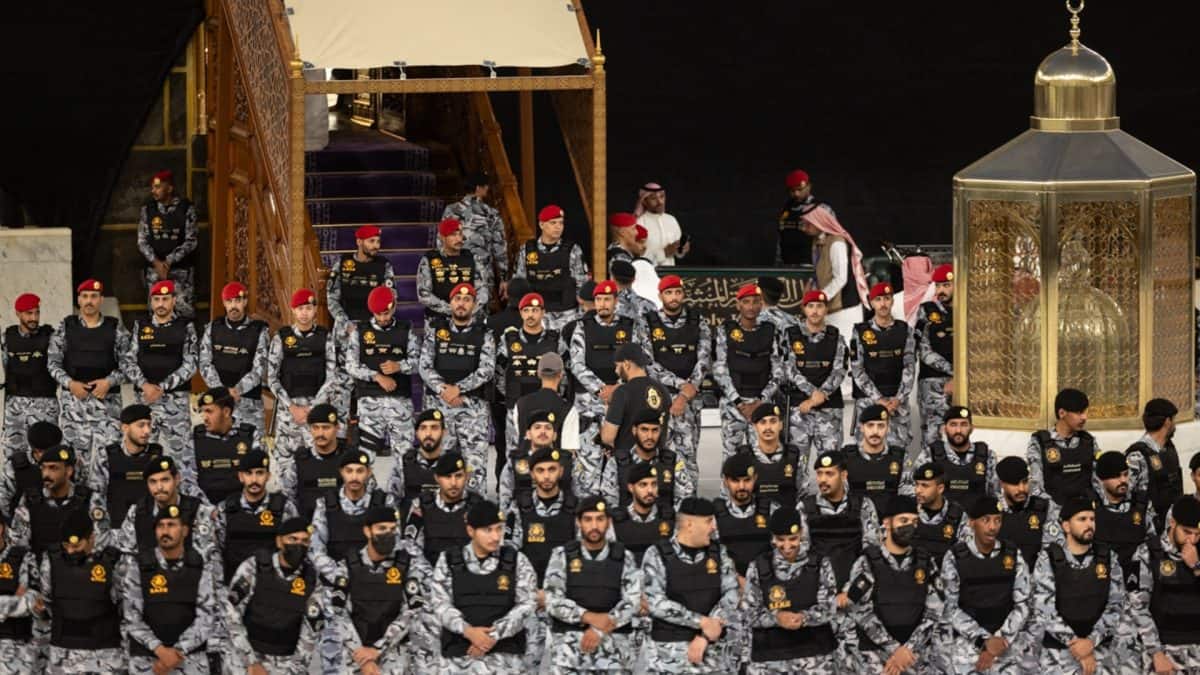
Saudi Arabia braces for multiple coordinated attacks, officials report

Iraq Proposes Joint Security Council With Iran and Saudi Arabia

Saudi Arabia Faces Threat of Houthi, Iraqi Militia Pincer Attack
Houthi attack wounds 11 civilians; Saudi Arabia warns of threat
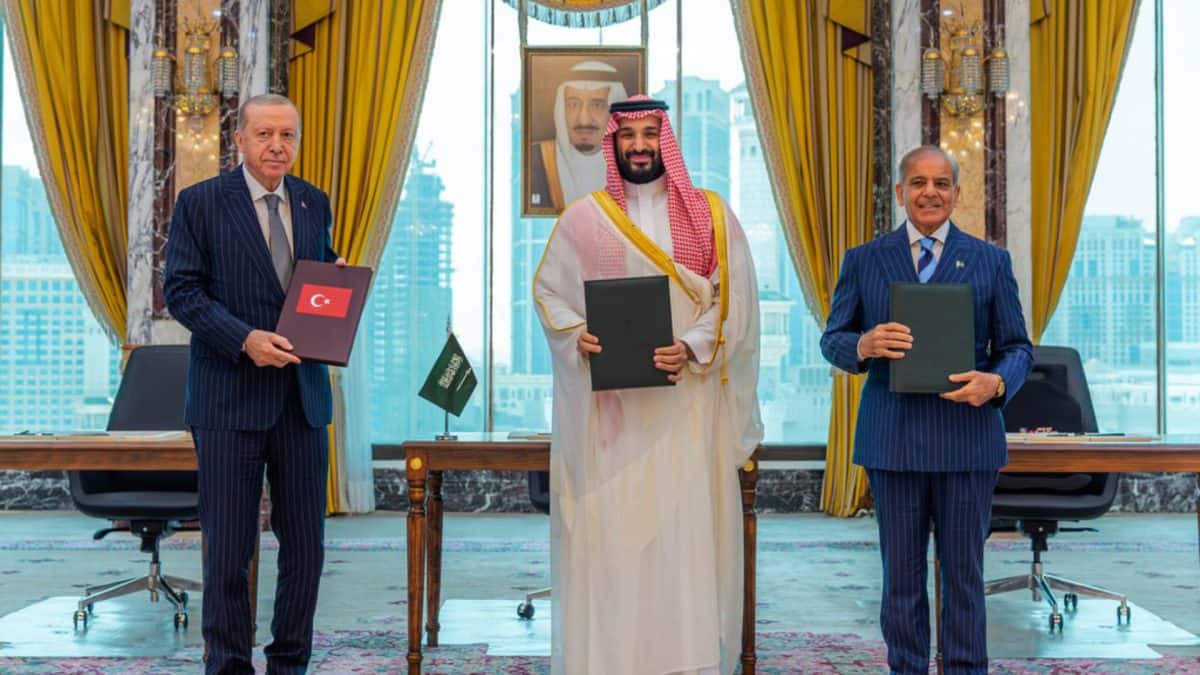
New Saudi alliances aim to deter Iran without joining war
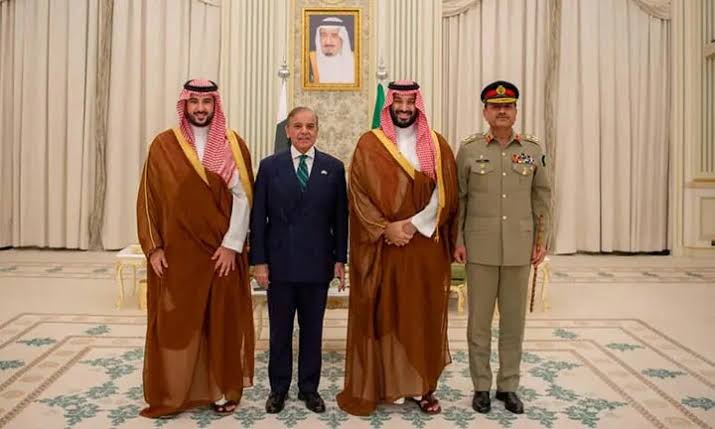
Saudi Arabia, Turkey and Pakistan Sign Joint Defence Pact
U.S.-Iran Exchange Escalates Across Middle East, Markets Slide
US Warns Middle East Travelers Amid Escalating Iran-Linked Tensions
Gold Futures Fall Seventh Day Amid US-Iran Tensions

Trump Claims Near-Total Hormuz Control Amid Iran Strikes
US and Iran Resume Strikes After Weeks of Calm