1 hr ago
India pitches BRICS CBDC linkage despite technical and political hurdles

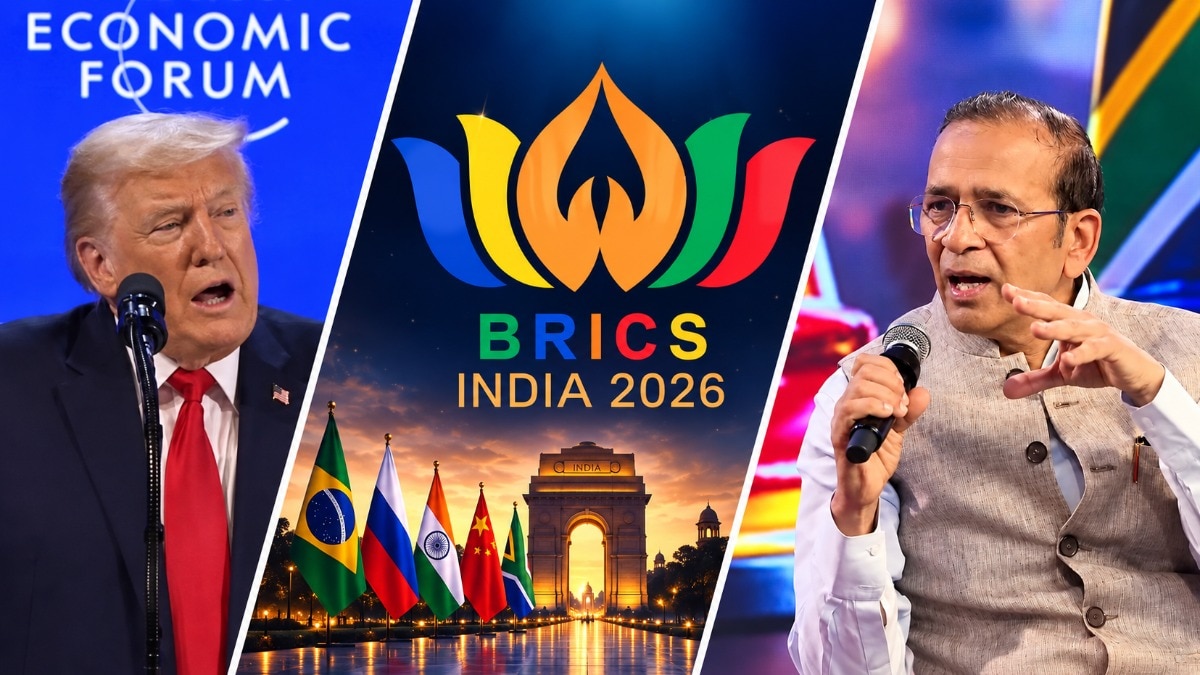
India wants BRICS countries to connect their digital currencies.
This could help money move between countries more quickly and efficiently.
The idea may be discussed at the BRICS leaders’ meeting in New Delhi.
However, many countries do not widely use digital currencies issued by their central banks yet.
Each country also has different financial rules and technology.
Political disagreements could make cooperation harder.
India is especially careful about sharing financial systems with China because of security and trust concerns.
The plan is about connecting existing currencies, not replacing the dollar with one common BRICS currency.

India is proposing to link BRICS central bank digital currencies for faster, more efficient cross-border payments.
The proposal is expected to be discussed at the BRICS leaders’ summit in New Delhi on September 12–13.
Limited global CBDC adoption and differing technical, regulatory, and political systems could hinder implementation.
Geopolitical tensions, including between Iran and the United Arab Emirates, may complicate shared payment mechanisms.
Currency swaps may be needed to address trade imbalances, while a common BRICS currency has made little progress.
- Who
- India and the expanded BRICS members are involved; the Reserve Bank of India proposed linking their central bank digital currencies.
- What
- A proposal to connect BRICS central bank digital currencies for faster and more efficient cross-border payments.
- Where
- The leaders’ summit will be held in New Delhi, India.
- When
- The proposal is expected to be discussed at the BRICS leaders’ summit on September 12–13; the Reserve Bank of India raised the idea in January.
- Why
- The initiative aims to improve payment-system interoperability and cross-border transaction efficiency.
Supporters of CBDC Linkage
Skeptics of Immediate Integration
Payment efficiency
Supporters of CBDC Linkage
Connecting CBDCs could make cross-border payments faster, more efficient, and more interoperable.
Skeptics of Immediate Integration
Previous BRICS efforts to create common payment mechanisms made limited progress, indicating substantial technical and regulatory barriers.
Financial cooperation
Supporters of CBDC Linkage
A linked payment network could support trade among BRICS members and reduce reliance on dollar-based payment systems.
Skeptics of Immediate Integration
Trade imbalances may require currency-swap arrangements first, and differing national financial structures could limit the network’s effectiveness.
Trust and security
Supporters of CBDC Linkage
Shared digital-payment infrastructure could deepen financial cooperation among participating countries.
Skeptics of Immediate Integration
India remains cautious about deeper financial integration with China because of national security concerns and the need for greater trust; tensions between Iran and the United Arab Emirates also pose challenges.
Key facts
- Proposing country
- India, which is chairing BRICS this year
- Proposed mechanism
- Linking member countries’ central bank digital currencies
- Expected venue for discussion
- BRICS leaders’ summit in New Delhi
- Summit dates
- September 12–13
- Main benefits sought
- Faster and more efficient cross-border payments
- Key obstacles
- Limited CBDC adoption, regulatory differences, technical challenges, and geopolitical tensions
- Related financial measure
- Currency-swap arrangements may be needed to address trade imbalances
- Common currency proposal
- Brazil’s proposal has made little progress
Sources
Related news

India Pushes Central Bank Digital Currencies for BRICS Payments
BRICS Leaders Eye Local-Currency Trade, Not Common Currency
BRICS explores local-currency payments to reduce dollar dependence
BRICS Focuses on Local-Currency Payments, Not a Common Currency

Finance Minister, RBI Governor co-chair BRICS meet on payments, stability

India to Showcase UPI at 2026 BRICS Summit

BRICS at 20: Economic Rise Reshapes India’s Global Role

Modi to Meet Xi, Putin in Back-to-Back BRICS Diplomacy
Trump Administration Proposes Ending H-1B 60-Day Grace Period
BRICS summit may pave way for India-China economic reset