3 days ago
Government Team Inspects Flood-Hit Dooars Tea Gardens for Solutions
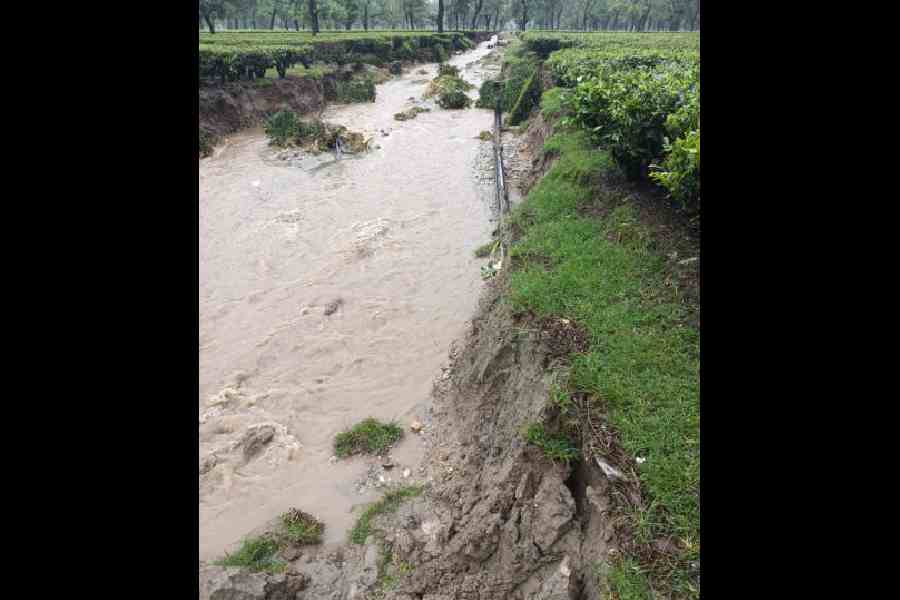
Tea gardens in the Dooars are often damaged when rivers rise during the monsoon.
The floodwater comes down from the Bhutan hills and can carry mud and dolomite into the gardens.
It can harm tea plants, factories, workers’ homes and land.
Tea industry groups asked the Bengal government to find a lasting way to reduce the damage.
A team from the state irrigation department visited affected gardens and prepared a report.
The department says it is looking at permanent steps, after already taking some temporary measures.
Tea planters say other government departments should also help.
They warn that without a joined-up plan, many gardens could face a serious crisis in the next five years.

Tea industry representatives have asked the Bengal government for a long-term plan to protect Dooars tea estates from recurring floods and erosion.
A state irrigation department team led by chief engineer Krishnendu Bhowmik inspected affected gardens over the past two weeks.
The inspections focused on areas near the Bhutan border in Jalpaiguri and Alipurduar districts.
Bhowmik submitted a report with photographs to the department’s principal secretary; officials are considering permanent measures after taking some temporary steps.
Industry representatives say about 70 acres of tea-growing and workers’ settlement land have been lost or damaged, and more than 50 estates have been affected.
- Who
- Tea estate owners and industry representatives, along with a team from the Bengal irrigation department led by chief engineer Krishnendu Bhowmik.
- What
- The team inspected flood-affected tea gardens and submitted a report as the industry seeks a long-term plan to limit flooding and erosion.
- Where
- Tea gardens in the Dooars, particularly near the Bhutan border in Jalpaiguri and Alipurduar districts.
- When
- The inspections took place over the past two weeks; the damage recurs during the monsoon.
- Why
- Flash floods and erosion have damaged tea plantations, factories, workers’ settlements and land.
Key facts
- Inspection lead
- Krishnendu Bhowmik, chief engineer of the state irrigation department’s north-eastern circle
- Inspection period
- Over the past two weeks
- Districts visited
- Jalpaiguri and Alipurduar
- Reported land damage
- Around 70 acres of tea-growing and workers’ settlement land
- Estates affected
- More than 50 tea estates in Bhutan-bordering areas, according to an industry representative
- Department response
- A report with photographs was submitted; temporary measures have been undertaken and permanent options are being examined.
- Industry request
- A coordinated, long-term plan involving several government departments
Quotes
Amitanshu Chakraborty
Principal adviser to the Indian Tea Planters' Association
“Some temporary measures have already been undertaken. Now, the department is examining what permanent measures can be adopted to address the problem.”
 telegraphindia.com
“The combined loss of tea-growing land and land occupied by workers' quarters has reached around 70 acres in the Dooars.”
telegraphindia.com
Sources
Related news
North Bengal Tea Gardens Face Closures Amid Cash Crunch
Darjeeling Tea Production Plunges 61 Percent, Threatening Industry’s Future

Bihar floods affect 27 lakh as relief expected within days

Darjeeling Tea Exports Fall 46 Percent Over Decade

Malda MP Seeks Probe Into Recurring Bhutni Embankment Breaches
Central Team to Visit Bihar for Flood Assessment
Indian Tea Association Seeks Bengal Support to Revive Tea Industry

Kochi Auctions: Orthodox Tea Prices Rise

India's 2025 Tea Production and Exports Expected to Surpass 2024