3 weeks ago
RBI Confirms FCNR(B) Swap Facility To Run Until September 30
The Reserve Bank of India is the country's central bank, like a big piggy bank that looks after money.
It created a special plan called the FCNR(B) swap facility to encourage Indians living abroad, called NRIs, to put their foreign money into Indian banks.
In less than two months, people have deposited more than $36.7 billion, which is a huge amount of money.
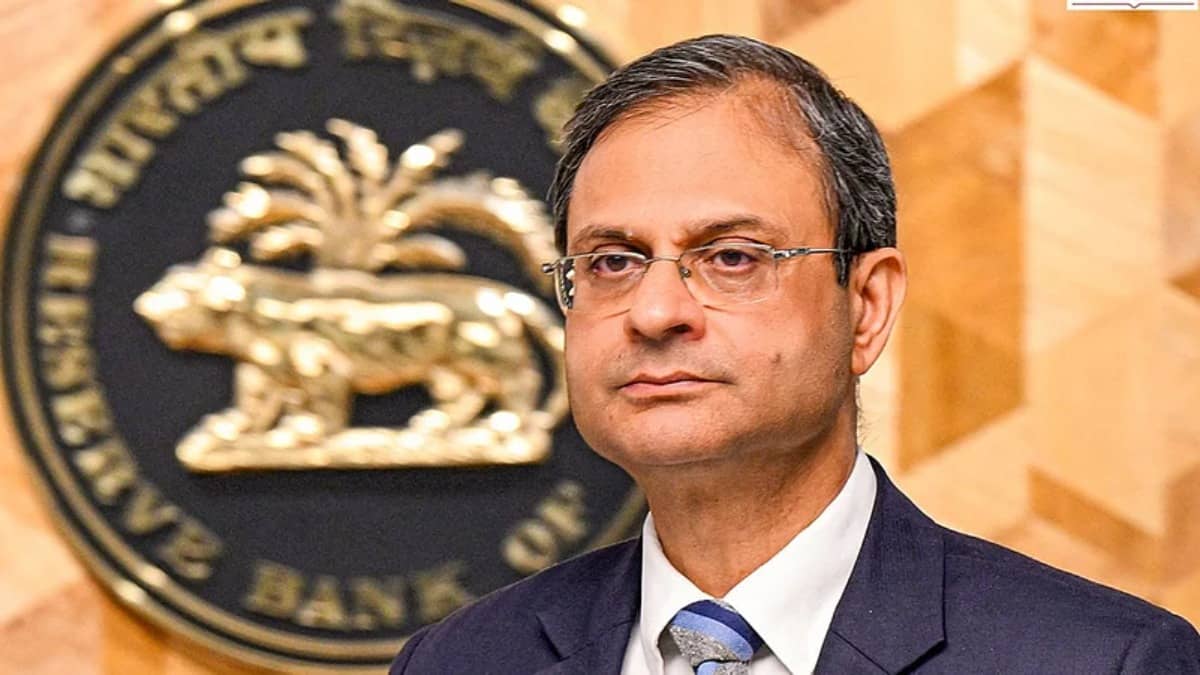
The bank's leader, Governor Sanjay Malhotra, says the plan is working well and will keep running until September 30, 2026.
Banks are also lending money to investors so they can deposit even more, sometimes earning returns of 20% or higher.
Because so many people are joining, some banks now ask for bigger minimum amounts, like $1 million instead of $100,000.
Returns for new investors have also dropped a little, from about 13-14% to around 11-12%.
This drive has already beaten the 2013 campaign, which raised about $26 billion.
The money helps India when its currency is under pressure, but experts say it cannot fix bigger economic problems by itself.

RBI Governor Sanjay Malhotra confirmed the FCNR(B) deposit scheme will not be discontinued, with the zero-cost swap facility operating until its scheduled expiry on September 30, 2026.
Over $36.7 billion has been deposited in Indian banks through the FCNR scheme in less than 60 days, with $40.8 billion mobilized by July 31.
FCNR(B) outstanding balances jumped 86%, from $32.5 billion to $60.5 billion, in under two months.
Banks have raised minimum investment thresholds (one partner moved from US$100,000 to US$1 million), and leveraged returns have moderated from 13-14% to around 11-12%.
The current drive has already surpassed the 2013 campaign's roughly $26 billion, and inflows are expected to exceed $80 billion before the plan expires.
- Who
- RBI Governor Sanjay Malhotra, Indian banks, and NRI investors
- What
- India's FCNR(B) swap facility mobilized $40.8 billion by July 31, and the RBI confirmed the scheme will continue until September 30, 2026.
- Where
- India, through mainland Indian banks (GIFT City banks cannot accept FCNR deposits but can lend to NRI investors)
- When
- June 8 to September 30, 2026, with data reported as of July 31
- Why
- To boost capital inflows and strengthen India's external position amid currency and external-sector pressure, a measure countries like Japan have used in past crises.
Supporters of the swap facility
Cautious observers
Impact on India's external position
Supporters of the swap facility
RBI Governor Sanjay Malhotra says the scheme has boosted capital inflows and strengthened the external position, with the zero-cost swap continuing as planned.
Cautious observers
Anand K Rathi of MIRA Money warns the FCNR drive can buy time amid currency pressure but cannot replace stronger economic foundations or fix underlying macroeconomic problems.
Access to leveraged deposits
Supporters of the swap facility
Bank leverage of up to 19 times capital lets NRI investors earn returns of 20% or higher, keeping the scheme attractive.
Cautious observers
Leveraging is becoming a luxury as banks raise minimum tickets and a hawkish US Fed moderates leveraged returns to around 11-12%, limiting new participation.
Key facts
- Facility window
- June 8 to September 30, 2026
- Total mobilized by July 31
- $40.8 billion
- FCNR deposits in under 60 days
- Over $36.7 billion
- FCNR(B) balance jump
- $32.5 billion to $60.5 billion (86%)
- 2013 campaign total
- Roughly $26 billion
- Leveraged returns now
- Around 11-12% (down from 13-14%)
- Minimum investment example
- Raised from US$100,000 to US$1 million at one bank
- Maximum leverage allowed
- Loans up to 19 times capital
Quotes

Sanjay Malhotra
Governor of the Reserve Bank of India
“Based on customer transactions across multiple banking partners, Belong said the market has evolved significantly since the scheme was introduced. Banks have raised minimum investment thresholds, leveraged returns have moderated as fundraising targets are met, and onboarding timelines have emerged as the biggest practical constraint for investors looking to participate before the window closes.”
 financialexpress.com
“The real test isn’t the run‑rate so far – it’s the final six weeks. The deposits raised are being swapped for rupee liquidity as they land, and that’s arguably the more durable story for bond markets than the headline dollar number itself.”
financialexpress.com
Sources
Related news
RBI Ends FCNR Swap Facility Early as Dollar Inflows Surge

RBI shortens FCNR(B) swap scheme as inflows hit $56.8 billion

RBI Forex Swap Draws $136.37 Billion, Led by FCNR(B)
RBI Forex Swap Facility Draws $72.85 Billion in Inflows

Indian Banks Attract Record $127 Billion Through RBI Swap Facility

RBI's concessional swap facility attracts USD 56.85 billion forex inflows

RBI Governor Meets US Fed Chief Kevin Warsh at G20

Indian Bond Yields Near 7% as Rate Hike Bets Rise

India Hosts BRICS 2026 Amid US-Iran War Tensions

Finance Ministry Flags Global Yield and Inflation Risks for India