

5 hrs ago
AfD Victory Puts Merz’s German Reform Agenda Under Pressure

The Alternative for Germany won the most votes in a state election in eastern Germany.
Many voters were unhappy about expensive living costs, government rules, pensions and economic uncertainty.
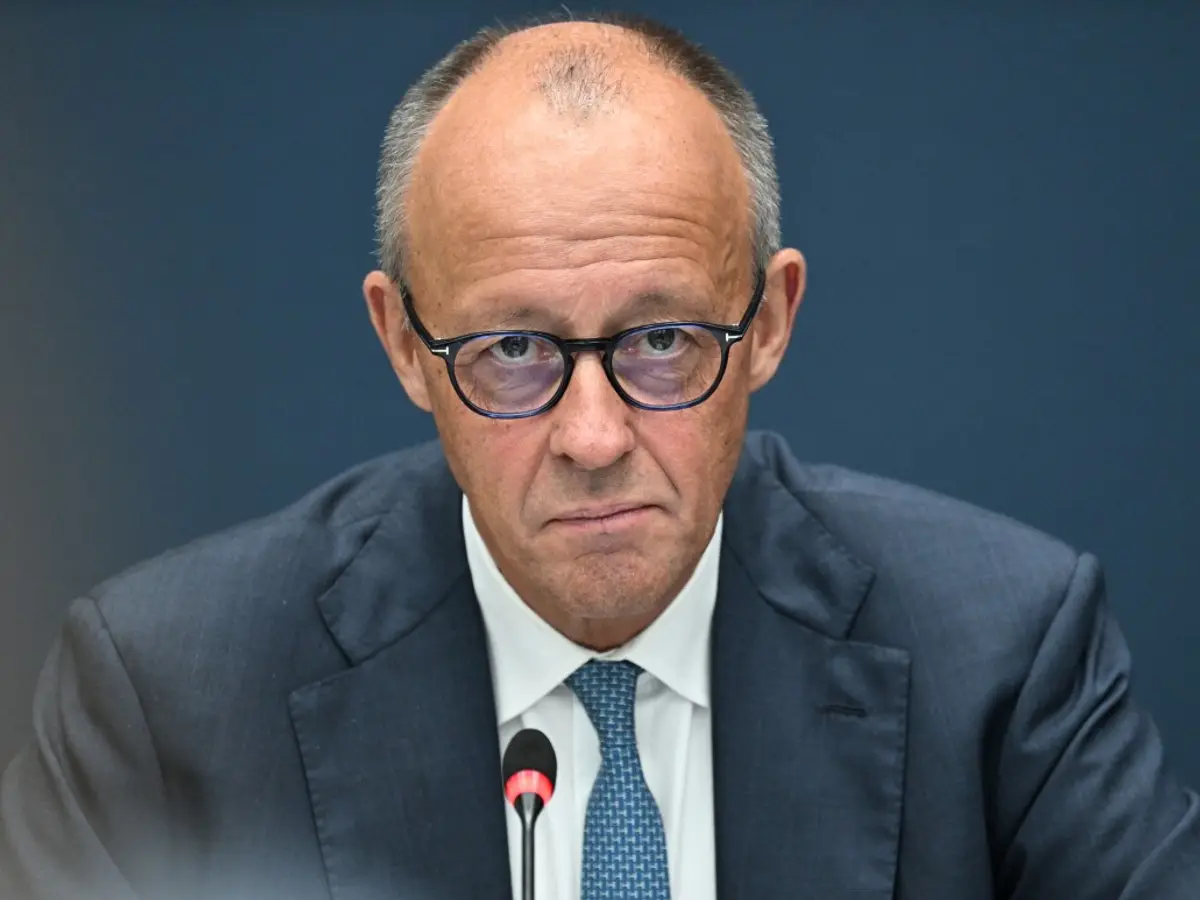
This result has created new problems for Chancellor Friedrich Merz’s coalition government.
His Social Democratic Party of Germany partners want some planned reforms to be changed or softened.
They also want to reconsider parts of the 2027 budget and discuss wealth and inheritance taxes.
Merz says reforms such as raising the pension age and changing sick pay should continue.
He admits the government has not explained the plans clearly enough.
Economists say disagreements could slow the reforms or even damage the coalition.
The AfD may still have difficulty forming a state government because it did not win an outright majority.

The Alternative for Germany won first place in Saxony-Anhalt’s state election, reflecting voter frustration over living costs, bureaucracy, pensions and economic insecurity.
Social Democratic Party of Germany coalition partners want possible changes to pension and care reforms, the 2027 budget and tax policy discussions.
Chancellor Friedrich Merz defended planned reforms, including raising the pension age and tightening sick-pay rules, while acknowledging he must explain them better.
Economists warned the election result could delay or derail reforms and increase tensions within Germany’s governing coalition.
The AfD fell just short of an overall majority in the state parliament, leaving its ability to form a government unclear.
- Who
- The Alternative for Germany, Chancellor Friedrich Merz, and his coalition partners in the Social Democratic Party of Germany.
- What
- The AfD won first place in Saxony-Anhalt, intensifying disagreements over Germany’s planned economic and social reforms.
- Where
- Saxony-Anhalt, Germany.
- When
- The state election took place on Sunday, September 8; coalition reactions were reported on Monday.
- Why
- Voters expressed frustration with bureaucracy, the rising cost of living, pension uncertainty and economic insecurity, while coalition partners disagree over how to respond.
Coalition Reform Advocates
Social Reform Critics
Whether to continue the reform agenda
Coalition Reform Advocates
Friedrich Merz and pro-reform voices argue that difficult structural changes are needed to revive Germany’s economy and should proceed.
Social Reform Critics
Social Democratic Party of Germany figures say the agenda should not simply be abandoned but needs stronger social protections and possible changes.
What caused the election defeat
Coalition Reform Advocates
Christian Democratic Union discussions reportedly blame high taxes and debt for the coalition’s poor performance.
Social Reform Critics
Social Democratic Party of Germany discussions reportedly point to excessive spending cuts and argue that reforms must more clearly improve people’s lives.
Political consequences of the AfD victory
Coalition Reform Advocates
Analysts say the coalition should move closer together to pass reforms and address economic weaknesses.
Social Reform Critics
Other analysts warn that stronger party-specific positions could heighten tensions, delay reforms or cause the coalition to break down.
Key facts
- Election result
- The Alternative for Germany came first in Saxony-Anhalt.
- Government response
- Friedrich Merz said planned reforms should proceed but acknowledged the need for better public communication.
- Reforms under discussion
- Proposals include raising the pension age, tightening sick-pay rules, and changing pension and care policy.
- Coalition demand
- The Social Democratic Party of Germany wants talks on reforms, the 2027 budget, inheritance tax and wealth tax.
- State economic weight
- Saxony-Anhalt accounts for 1.8% of Germany’s gross domestic product.
- AfD position
- The AfD fell just short of an overall majority in the state parliament.
- Economic investment
- A €500 billion infrastructure fund and an exemption from debt rules for defense spending were intended to support Germany’s economy.
Quotes

Marcel Fratzscher
President of the Berlin-based DIW economic research institute
“We urgently need change reforms that go far beyond the Agenda 2010 reforms of 25 years ago. Failure to do so will make it more likely that the AfD will win an absolute majority in 2029.”
 theprint.in
“The government must convey the message that the reforms will improve people’s lives. That message just isn’t getting through right now.”
theprint.in
Tim Kluessendorf
Secretary-General of Germany’s Social Democratic Party
“The SPD … must make it clear where we are heading”
theprint.in
Sources
Related news

AfD Wins Historic Saxony-Anhalt Election, Challenging Germany’s Political Firewall
Merz Calls CDU Defeat in Saxony-Anhalt Most Severe Yet

AfD Wins Historic Saxony-Anhalt Vote, Falls Short Majority

Germany Struggles to Counter AfD as Party Reaches New High
AfD surges in east Germany ahead of looming regional elections