2 hrs ago
Supreme Court Judge Criticizes SIR, Warns Against Voter Exclusion

A Supreme Court judge spoke about a process called SIR at a law school event.
He said the Constitution treats citizens equally.
He said it does not divide people into those who may vote and those who may not.
He warned that taking voting rights from many people would break constitutional protections.
He referred to Articles 14 and 326.
He also said that someone else's wrongdoing is not a good excuse for taking away those rights.
The judge said no authority is above the Constitution.
The article does not name the judge or explain the SIR process in detail.

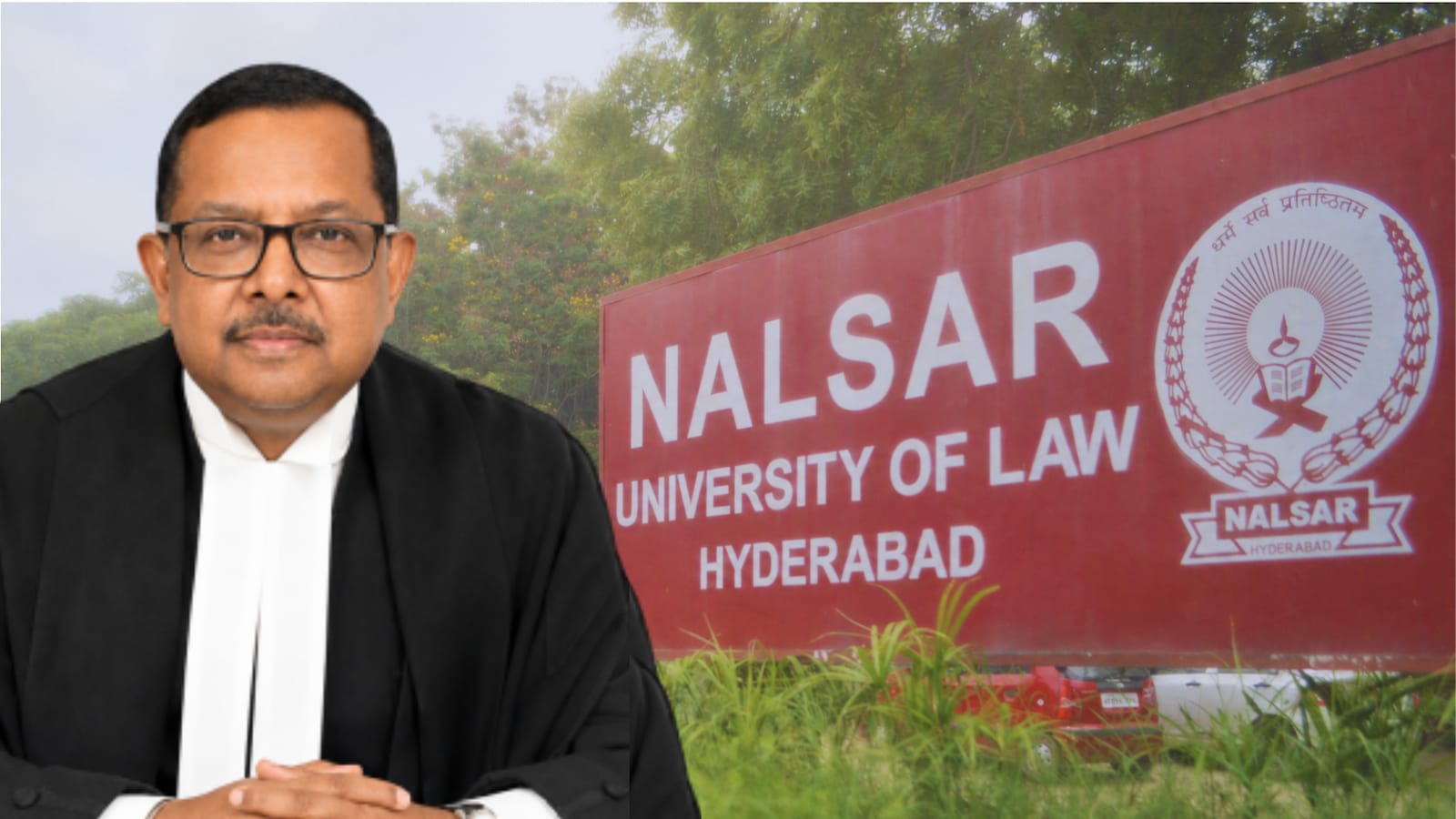
A Supreme Court judge criticized the SIR process in remarks at NALSAR University of Law.
The remarks came during a moot court competition's closing ceremony in Hyderabad.
The judge said the Constitution does not create separate classes of citizens based on voting rights.
He warned that removing voting rights from large numbers of people would violate Articles 14 and 326.
He said wrongdoing by others cannot justify such action and that no authority or court can override the Constitution.
- Who
- An unnamed Supreme Court judge
- What
- The judge criticized the SIR process and warned that removing voting rights from large numbers of people would violate constitutional protections.
- Where
- NALSAR University of Law in Hyderabad, India
- When
- At the closing ceremony of a moot court competition; no date is given.
- Why
- The judge said the process could undermine equality and adult voting rights protected by Articles 14 and 326.
Key facts
- Event
- Closing ceremony of a moot court competition
- Venue
- NALSAR University of Law, Hyderabad
- Process discussed
- SIR
- Constitutional provisions cited
- Articles 14 and 326
- Judge's stated concern
- Removing voting rights from large numbers of people
- Judge's position
- No authority or court can condone action that violates the Constitution
Quotes
Supreme Court judge
A Supreme Court judge speaking at a moot court competition at NALSAR University of Law.
“No authority can do it; no court can condone it. No one is above the Constitution.”
 timesnownews.com
Sources
Related news
Justice Bhuyan Warns Mass Disenfranchisement Threatens Constitution
Justice Bhuyan Says Mass Disenfranchisement Negates Constitutional Order

Bombay High Court Questions Voter Deletions Under SIR Process
Congress Challenges Delhi SIR Over VIP Notices and Deletions
Why the Supreme Court Did Not Stop India’s SIR
Maharashtra Minister Calls CJP Protest ‘Grammar of Anarchy’
Justice Bhuyan Praises NALSAR Students as Brilliant, Bold and Brave
BJP, ABVP Challenge Nalsar Screening Of Umar Khalid Documentary