

1 hr ago
WHO Guidelines Urge Early, Comprehensive Care for Childhood Obesity
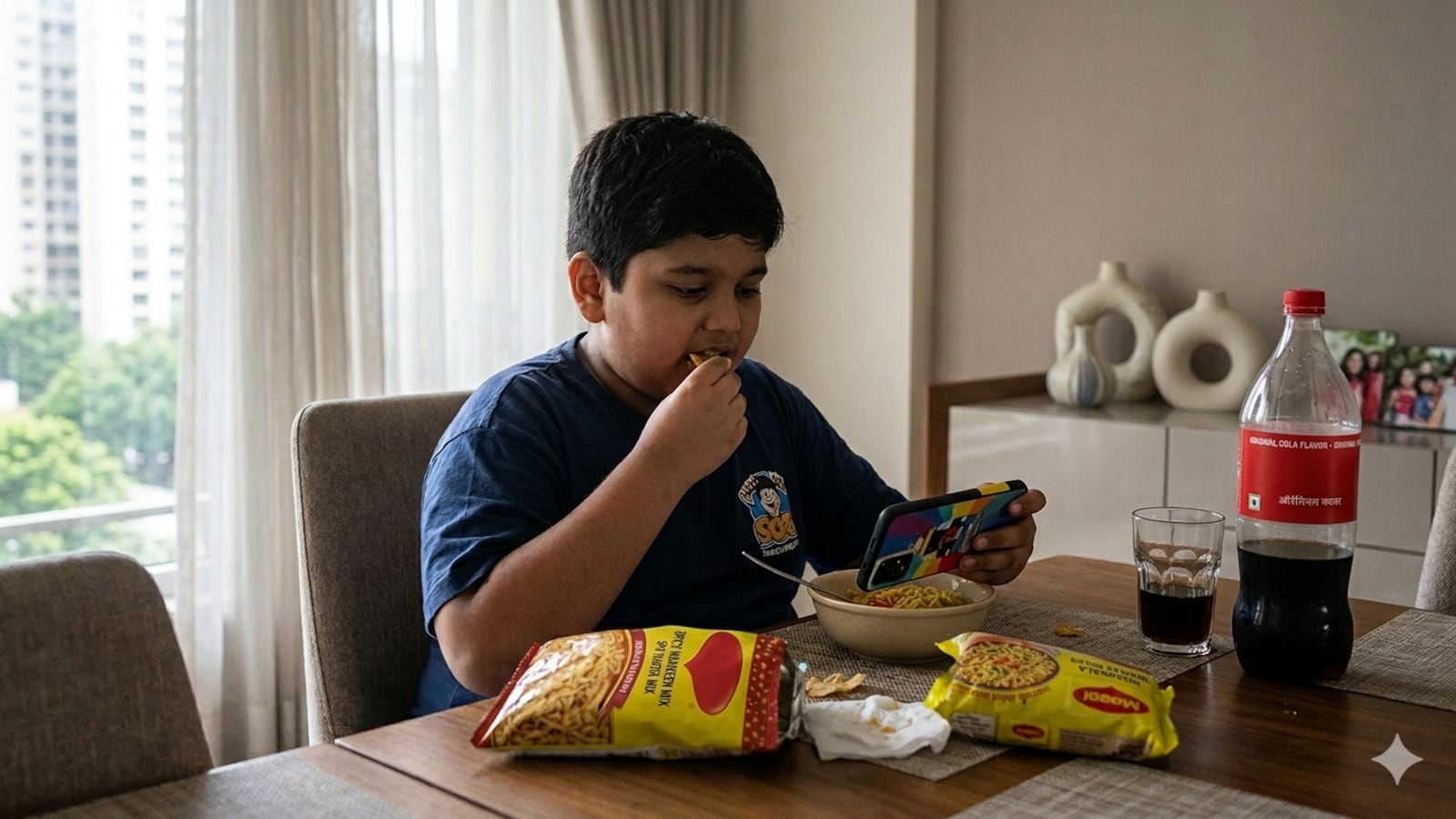
The World Health Organization has made its first worldwide guide for helping children with obesity.
It says children should get support with food, movement and habits.
A child can have extra weight and still not get all the nutrients they need.
Extra weight can also affect health, even when a child seems well.
Parents can ask a doctor to check their child's growth and health.
Medicines are not recommended for children under 10 in this guidance.
For some teenagers, a doctor may consider approved medicines if other support has not helped enough.
The goal is better health, not making a child feel ashamed.
Families, schools and communities can all help make healthy choices easier.

WHO has issued its first global guidelines for managing obesity in children and adolescents.
The guidance puts structured dietary, physical activity and behaviour-change interventions at the centre of care.
WHO does not recommend obesity medicines for children aged 0–9; approved medicines may be considered for adolescents under medical supervision when lifestyle interventions have not worked sufficiently.
The article reports that childhood obesity is rising in India and notes that excess weight can coexist with undernutrition or nutrient deficiencies.
Experts urge parents to seek paediatric advice, avoid shaming children and support sustainable changes in family habits and the wider food environment.
- Who
- Children and adolescents with obesity, their families and the health professionals supporting them.
- What
- WHO has issued its first global guidelines for managing obesity in children and adolescents, emphasizing lifestyle and behaviour support.
- Where
- The guidance is global; the article focuses on what it means for families in India.
- When
- The article reports the guidelines as newly issued; it does not provide an exact publication date.
- Why
- Childhood obesity can affect health and wellbeing, persist into adulthood and increase the risk of conditions such as diabetes and cardiovascular disease.
Key facts
- Guidance
- WHO's first global guidelines for managing obesity in children and adolescents.
- Core approach
- Structured dietary interventions, physical activity and behaviour-change interventions.
- Children aged 0–9
- WHO does not recommend pharmacological treatment for this age group.
- Adolescents aged 10–19
- Approved obesity medicines may be considered under supervision when multimodal lifestyle interventions have not produced the desired results.
- Global estimate
- WHO estimates around 400 million children and adolescents aged 5–19 were overweight in 2024.
- India, under-five weight data
- The article says overweight among children under five rose from 1.5% in NFHS-3 to 3.4% in NFHS-5, and reports 1.3% in NFHS 6 (2023–24).
- India projection
- The article cites a projection of more than 27 million children and adolescents in India living with obesity by 2030.
Quotes
Dr Vivek Virendra Singh
Health Specialist at UNICEF India.
“India cannot place the burden of preventing childhood obesity on families alone. Parents need support from systems that make the healthy choice the easy and affordable choice from healthy school food standards and daily physical activity to food environments that protect children from the marketing and easy availability of foods high in sugar, salt and unhealthy fats. WHO's new guidance reinforces that prevention and care must go together across health, education, food systems and urban policy.”
 NDTV
NDTV
“A child can look completely healthy, active and symptom-free and still have obesity-related metabolic abnormalities. Obesity can silently affect the blood pressure, cholesterol, blood sugar and liver. A routine paediatric check-up can detect these changes early when they are often reversible,”
NDTV
Sources
Related news
WHO Issues First Guidelines for Treating Childhood Obesity
WHO Issues First Child Obesity Guidelines, Prioritizing Lifestyle Over Drugs

Semaglutide Helps Children With Obesity, But Raises Caution

WHO Guidelines Caution Against Obesity Drugs and Surgery for Young Children
Why More Indians Under 35 Are Considering Bariatric Surgery
AIIMS Obesity Clinic Sees Patient Numbers Surge as States Follow
India Supports Kenya’s Ebola Preparedness After Imported Case Confirmed
China Nominates Song Li to Lead World Health Organization
WHO Seeks Russian Details After Irkutsk Lab Worker’s Death

XFG COVID Variant Spreads as UK Cases Rise
