1 hr ago
WHO Seeks Russian Details After Irkutsk Lab Worker’s Death
A worker at a laboratory in Irkutsk died after becoming very sick with pneumonia.
Early news reports suggested she might have caught pneumonic plague in an accident at work.
The World Health Organization asked Russia for more facts so it could understand what happened.
Russia told WHO that no recent plague cases had been reported in the region.
About 200 people who may have been in contact with the worker were reportedly quarantined.
Russian health authorities later said tests found no microorganisms connected to her work.
They also said there had been no accident involving dangerous germs at the institute.
WHO says it still needs more information before it can fully assess any risk.

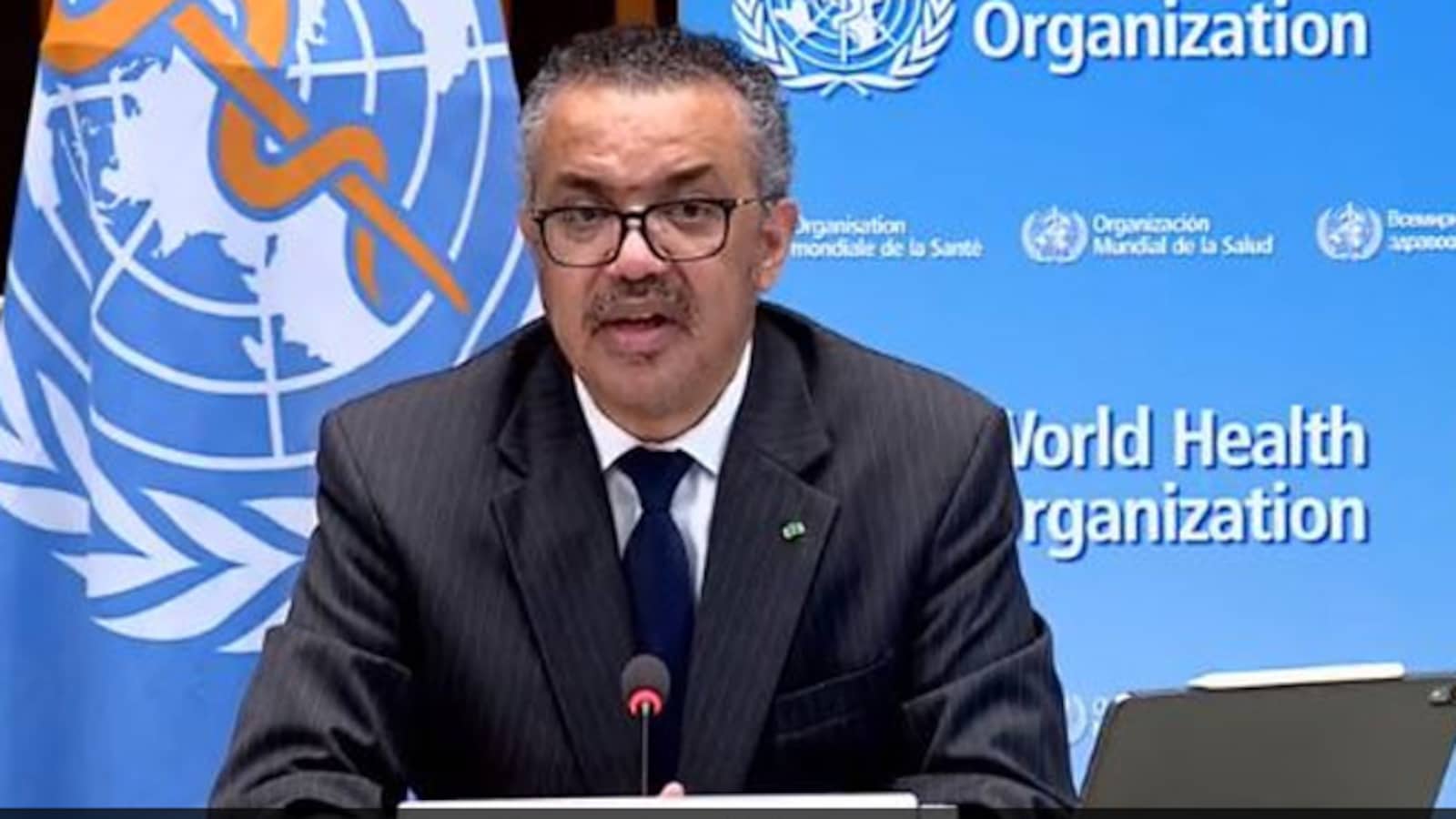
WHO chief Tedros Adhanom Ghebreyesus said the agency requested more information from Russia about a laboratory worker who died after severe pneumonia.
Initial media reports raised the possibility of pneumonic plague after an accidental exposure at the Irkutsk Antiplague Research Institute.
Russia told WHO no recent plague cases had been reported in Irkutsk oblast; about 200 contacts were reportedly quarantined.
WHO asked for laboratory-test results, details on the public-health measures and contacts’ health, and confirmation of reports about a second employee with pneumonia.
Russian health authorities said tests found no work-related microorganisms in the deceased worker’s samples and reported no laboratory accidents involving pathogens.
- Who
- WHO Director-General Tedros Adhanom Ghebreyesus and Russian health authorities; the deceased worker was identified in reporting as Daria Shipilova.
- What
- WHO requested more information about the worker’s death and possible laboratory exposure, saying it could not yet complete a full risk assessment.
- Where
- The Irkutsk Antiplague Research Institute in Irkutsk oblast, Russia.
- When
- The worker died on October 2; WHO said it requested information on Saturday and received a Russian response on Tuesday. The year is not specified.
- Why
- Initial media reports suggested possible pneumonic plague after an accidental laboratory exposure, but WHO said it lacked enough information to assess the event fully.
Initial reports and concerns
Russian authorities’ account
Possible laboratory exposure
Initial reports and concerns
Initial media reports suggested the worker may have contracted pneumonic plague after a test tube broke in the laboratory.
Russian authorities’ account
Russian authorities said tests found no microorganisms associated with the worker’s duties and that no accidents involving pathogenic microorganisms had been detected at the institute.
Plague and health risk
Initial reports and concerns
Reports raised concern about pneumonic plague, and WHO said it needed more details before it could assess the potential risk.
Russian authorities’ account
Russia told WHO that no recent plague cases had been reported in Irkutsk oblast; authorities also reported no high-threat pathogens among identified contacts.
Key facts
- Deceased worker
- Daria Shipilova, a 28-year-old laboratory assistant, according to reporting cited in the article.
- Reported cause of death
- Severe pneumonia.
- Initial concern
- Media reports suggested possible pneumonic plague after an accidental laboratory exposure.
- Russia’s response to WHO
- No recent cases of plague had been reported in Irkutsk oblast.
- Contacts
- Around 200 contacts were reportedly placed in quarantine; authorities later said medical observation was completed.
- Reported test findings
- Rospotrebnadzor said tests of the worker’s biological material found no microorganisms associated with her work.
- WHO’s assessment
- WHO said it could not conduct a full risk assessment without more information.
Quotes

Tedros Adhanom Ghebreyesus
Director-General of the World Health Organization
“Timely, complete and transparent information sharing under the International Health Regulations is essential to clarify conflicting reports and enable an accurate assessment of potential public health risks.”
 NDTV
NDTV
“On Saturday, WHO asked the Russian Federation for more information, in accordance with the International Health Regulations.”
NDTV
Sources
Related news
WHO Seeks More Information on Suspected Plague Death in Russia

WHO Seeks Clarity on Russian Lab Worker’s Pneumonia Death

WHO Seeks More Information on Russia’s Suspected Plague Case

WHO Reports No Recent Plague Cases in Irkutsk Region

WHO Says Risk Low After Siberian Lab Worker’s Unconfirmed Death

Russia Rules Out Epidemic Risk After Siberian Lab Worker Dies

China Nominates Song Li to Lead World Health Organization