2 hrs ago
WHO Issues First Guidelines for Treating Childhood Obesity

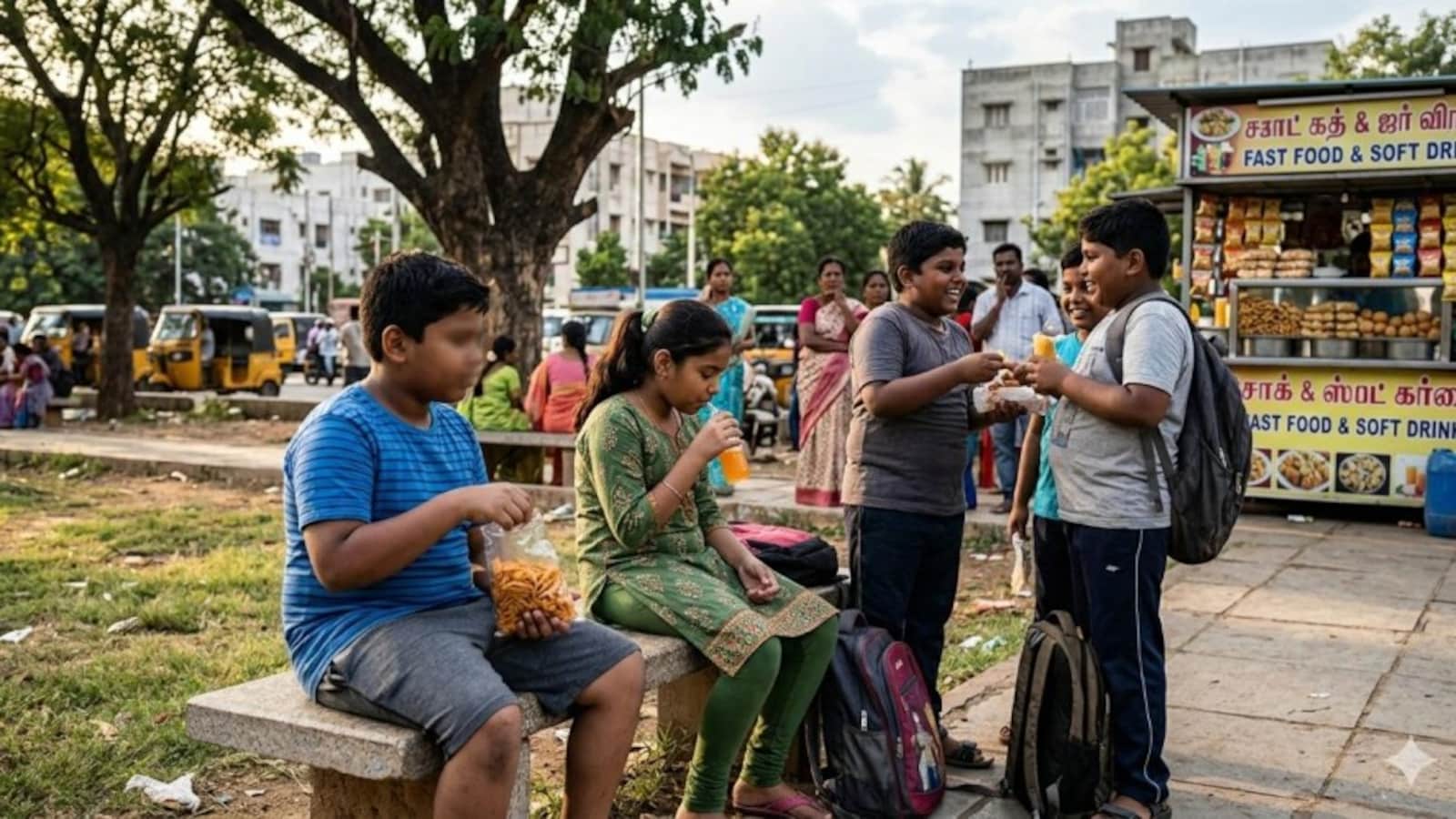
The World Health Organization has published its first advice on helping children and teenagers with obesity.
It says healthy eating, exercise, and support for changing habits should be the main approach.
It recommends not using weight-loss medicines or surgery for children up to age nine.
For teenagers aged 10 to 19, those treatments may be considered only in certain serious cases.
These include having severe obesity with other health problems, or not improving after six months of other efforts.
The WHO says there is not enough long-term information about these medicines in children.
Activity apps and exercise games might help people move more.
Doctors in India say treatment should be chosen carefully and not offered to everyone.

WHO’s first guidelines recommend structured diets, physical activity, and behaviour-change programmes for children and adolescents with obesity.
The guidelines recommend against weight-loss medicines and surgery for children up to age nine, citing limited evidence, including a lack of long-term data on medicines.
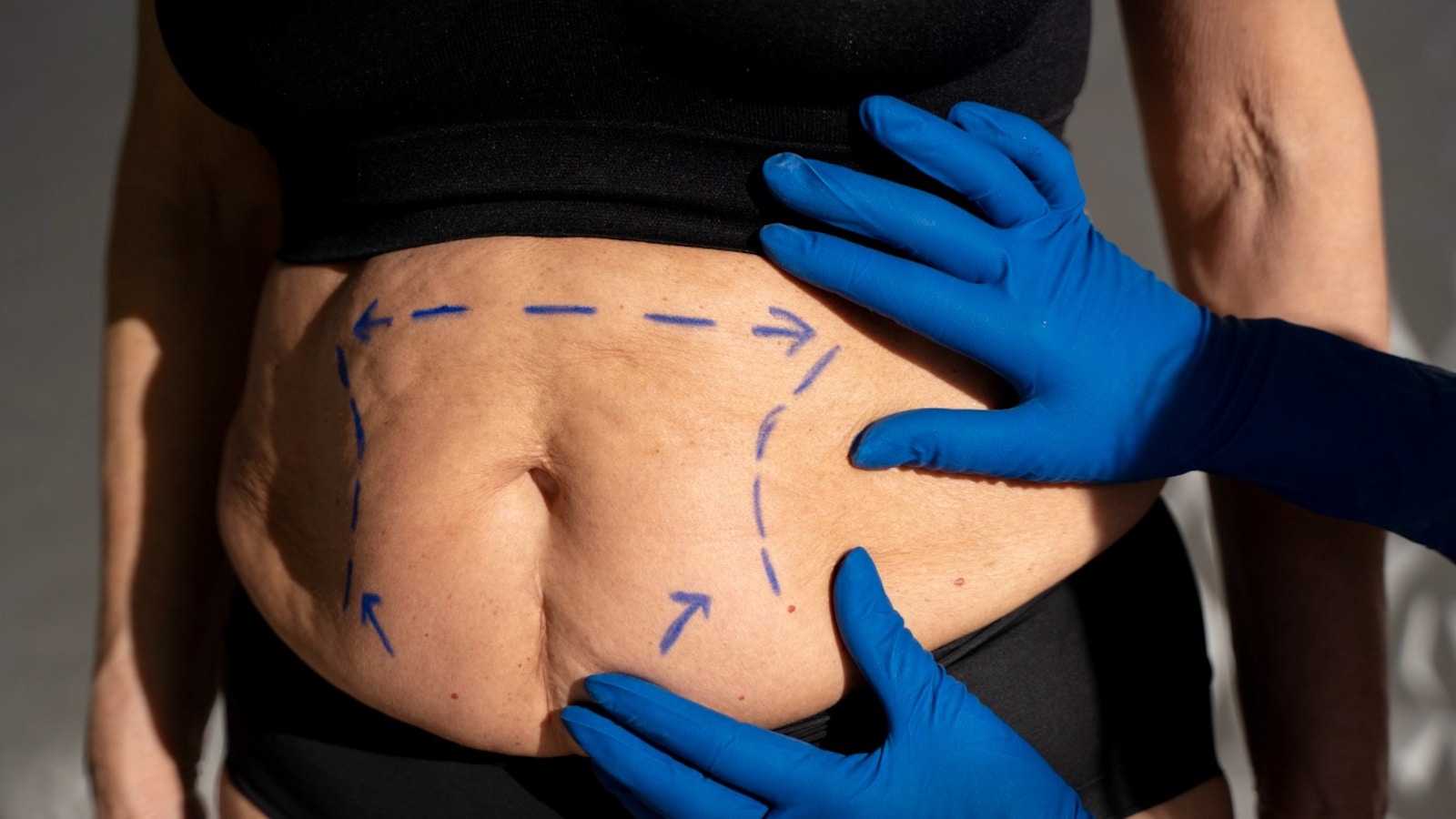
For adolescents aged 10–19, medicines or surgery are conditionally recommended only for severe obesity with related health conditions, or when other approaches have not worked after six months.
WHO says digital tools such as activity apps and exercise video games may help promote activity and behaviour change, while sedentary screen use should be limited.
WHO estimates 170 million people aged 5–19 were living with obesity in 2024; Indian physicians cited rising cases and stressed that medicines should be reserved for selected patients.
- Who
- The World Health Organization issued the guidelines for children and adolescents living with obesity.
- What
- The guidelines recommend lifestyle-based care and set limits on when medicines and surgery may be considered.
- Where
- The guidance is from the World Health Organization and applies internationally; the article also discusses obesity trends and medical views in India.
- When
- The guidelines were released on Wednesday; the article does not specify a date.
- Why
- WHO says obesity in children and adolescents is widespread and can lead to health complications, while treatment evidence and long-term data for some interventions remain limited.
Cautious use of medical treatment
Treatment for severe cases
Weight-loss medicines and surgery for young people
Cautious use of medical treatment
WHO recommends against these interventions for children up to age nine and cites unanswered questions and a lack of long-term evidence for medicines.
Treatment for severe cases
WHO conditionally allows them for selected adolescents with severe obesity and related health conditions, or when other approaches have failed after six months. An Indian paediatric endocrinologist also said medicines may be appropriate for some children with morbid obesity and complications.
Role of lifestyle changes
Cautious use of medical treatment
WHO recommends structured diets, physical activity, and behaviour change as core approaches to managing obesity.
Treatment for severe cases
Dr Anurag Bajpai said lifestyle changes may reduce body weight by only 3% to 5% in children, which he said may be insufficient for some patients with severe obesity and co-morbidities.
Key facts
- WHO estimate
- 170 million people aged 5–19 were living with obesity in 2024.
- Children aged 5–9
- WHO estimated 70 million were living with obesity in 2024.
- Adolescents aged 10–19
- WHO estimated 100 million were living with obesity in 2024.
- Core recommended approaches
- Structured diets, physical activity, and behaviour change, individually or in combination.
- Medicines and surgery
- Not recommended for children up to age nine; conditionally recommended for selected adolescents aged 10–19.
- Six-month criterion
- For adolescents, medicines or surgery may be considered when other interventions have failed after six months.
- India estimate
- The article cites an estimate of over 27 million Indian children and adolescents aged 5–19 living with obesity by 2020, based on the CNNS 2016–18.
Quotes
Dr Jothydev Kesavadev
Chairperson of Jothydev’s Diabetes and Research Centre.
“Most of them come in with other co-morbidities such as fatty liver, prediabetes, and high cholesterol levels. So far, there were very limited treatment options but now the use of semaglutide has been approved in children over the age of 12 years by CDSCO (Central Drugs Standard Control Organisation). This should not be used by everybody and limited to children living with morbid obesity and complications.”
 indianexpress.com
“Children and adolescents living with obesity are likely to develop lifestyle diseases much earlier in life and have to live longer with complications arising from them. We now know that losing weight can help prolong their lives. This is the reason we need to intervene aggressively in the early years.”
indianexpress.com
Sources
Related news
WHO Issues First Child Obesity Guidelines, Prioritizing Lifestyle Over Drugs

WHO Guidelines Caution Against Obesity Drugs and Surgery for Young Children

Semaglutide Helps Children With Obesity, But Raises Caution
Semaglutide helps children with obesity cross below threshold
Why More Indians Under 35 Are Considering Bariatric Surgery

Obesity Drugs Advance as Medicine Debates What Obesity Means

Plague Lab-Leak Rumors Raise Questions About Russian Transparency

First-Aid Mistakes Can Worsen Emergencies Before Professional Help Arrives