1 week ago
Political Labels Are Making Democratic Debate Harder to Sustain

People sometimes use political labels to describe others instead of discussing their ideas.
Words like “anti-national” or “andhbhakt” can make someone seem like a stereotype.
This can stop a conversation before people understand each other.
Some people may then avoid talking about politics or only speak with people who agree with them.
Social media and television can make angry messages spread quickly.
Short videos with dramatic titles may attract more attention than careful explanations.
The speakers say people should criticize ideas and policies rather than insult other people.
They believe democracy works best when people disagree respectfully and check information before sharing it.

Terms such as “andhbhakt,” “anti-national,” “tukde-tukde gang,” and “dimagi naxal” can replace arguments with stereotypes and insults.
Participants say labels reduce people to political caricatures, discouraging open discussion and pushing some citizens toward silence or echo chambers.
Television debates and social media amplify provocative language, while short-form content can spread outrage faster than detailed, factual explanations.
Political name-calling can strain friendships, workplaces, and family relationships, even when people agree on some issues and disagree on others.
The participants call for respectful disagreement, fact-checking, issue-focused media coverage, and greater responsibility from leaders, influencers, platforms, and citizens.
- Who
- The discussion features photographer Sourja Sarkar, communications founder Minesh Raja, and Bhakti Bharat Redkar, moderated by Saachi Shinde and Satya Tirtharaj Ghosal.
- What
- They debate whether political labels and name-calling are replacing substantive arguments and damaging democratic discussion.
- Where
- The discussion concerns political and public discourse in India, including television, social media, and personal relationships.
- When
- The discussion addresses trends in today’s political climate and changes observed over the past decade.
- Why
- The speakers say labels simplify complex views, encourage hostility, spread through attention-driven media, and make respectful disagreement more difficult.
Key facts
- Labels cited
- “Andhbhakt,” “anti-national,” “tukde-tukde gang,” and “dimagi naxal”
- Main concern
- Political identities are being reduced to simplistic tags instead of debated through ideas and evidence.
- Affected relationships
- Friends, colleagues, and family members may avoid political conversations because of arguments or labels.
- Media influence
- Television debates and social media can shift attention from policies to personal attacks.
- Short-form content
- Punchy, brief content may travel further than longer explanations containing facts.
- Democratic principle
- Citizens should be able to question policies and leaders while respecting people who disagree.
- Suggested responses
- Verify information, focus on issues, challenge ideas rather than identities, and reduce engagement-driven division.
Sources
Related news
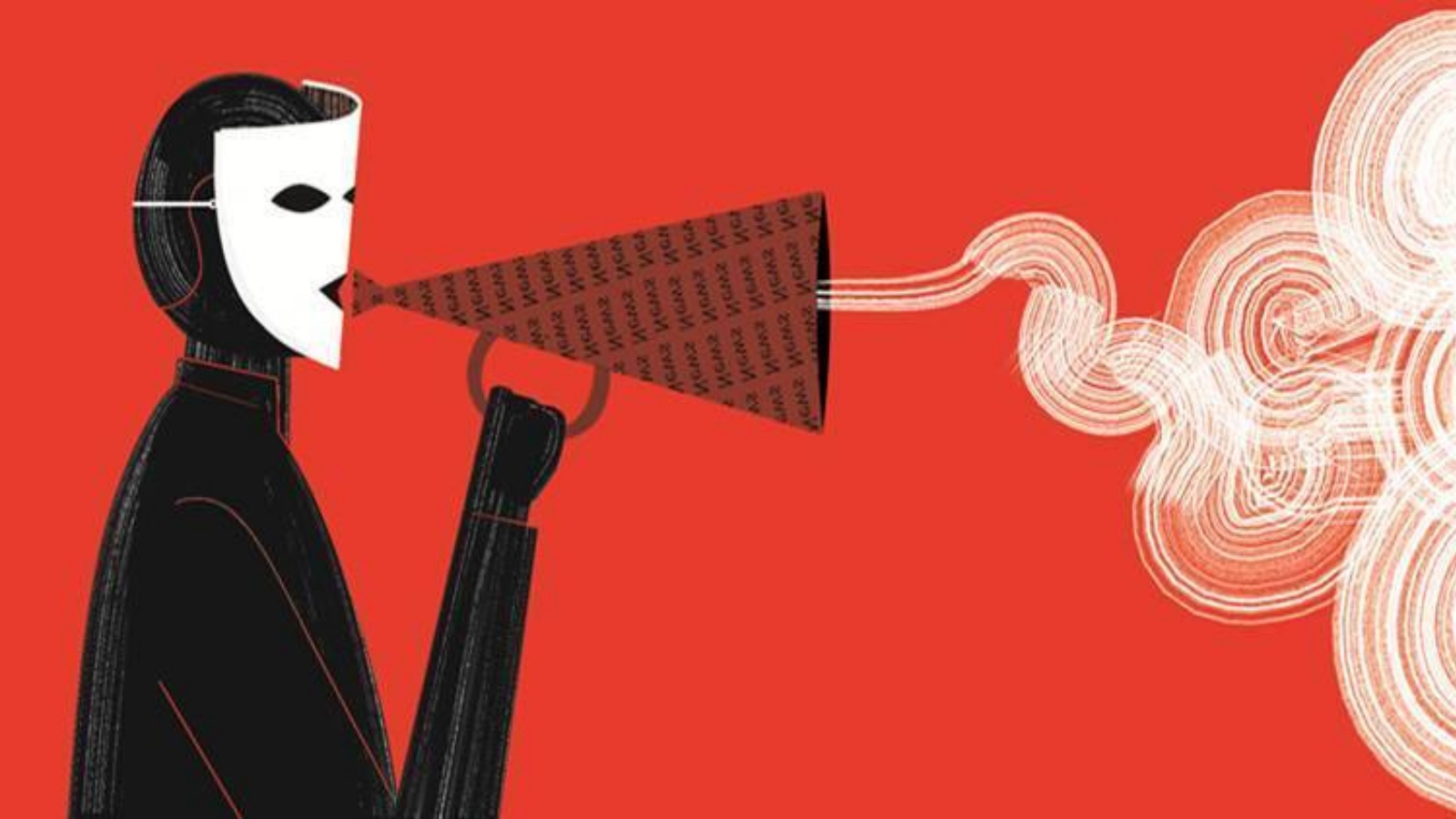
Opinion Warns BJP Abuse Is Replacing India’s Republic of Ideas

Women's Profanity Protests Expose India's Double Standard in Politics
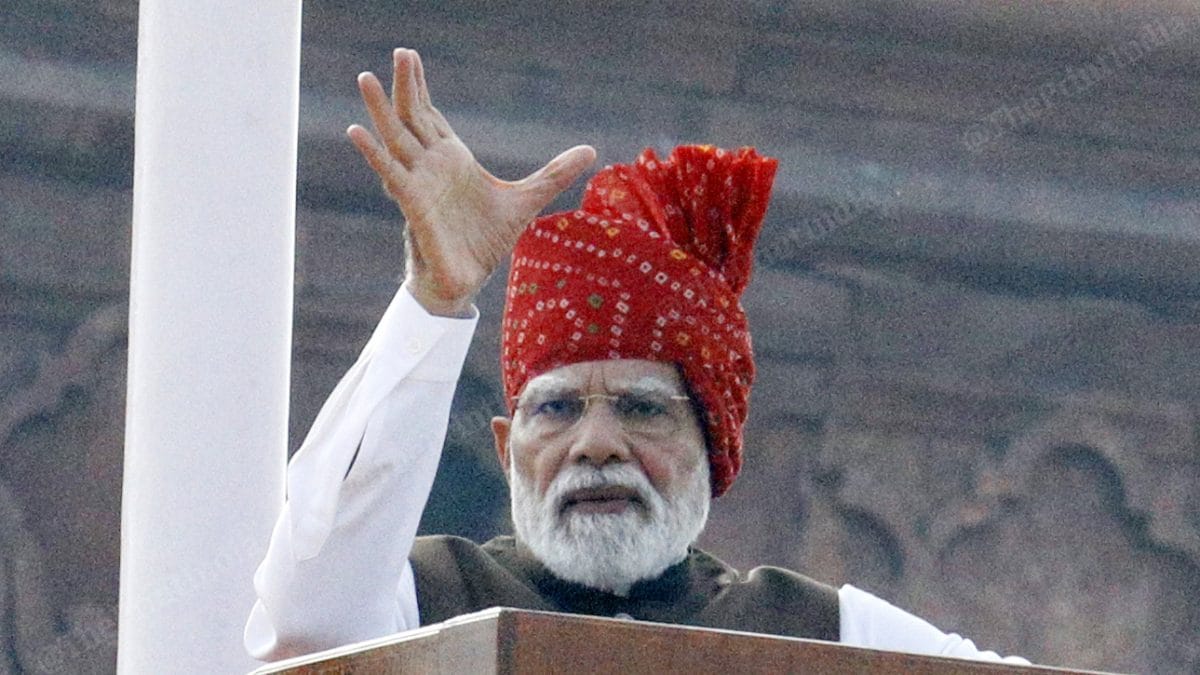
'Dimagi Naxal' remark shows Modi running out of enemies
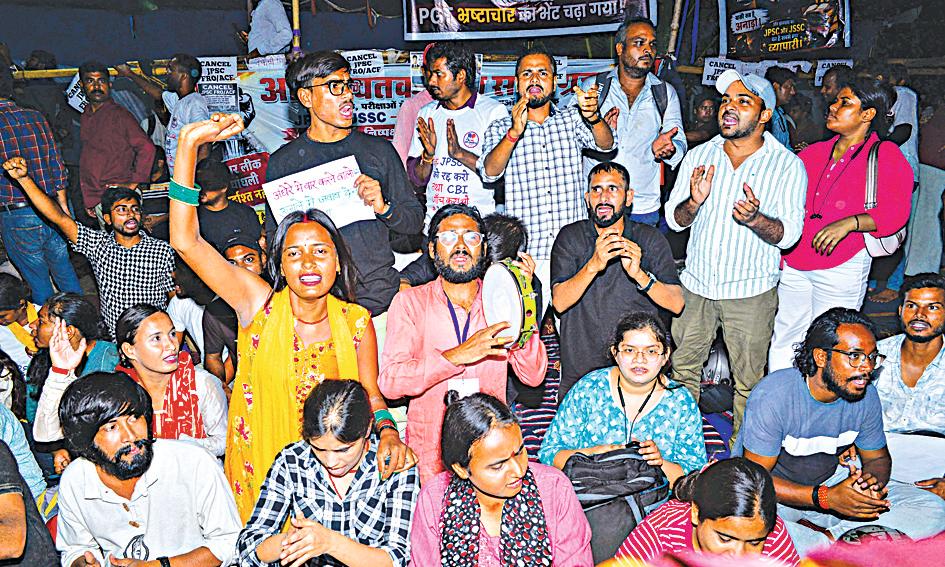
Gen Z Slang Enters Parliament, But Trust Remains Elusive

Young Indians Weigh Politics When Looking For Love

PM Modi's 'Dimaagi Naxal' Remark Sparks Anti-Dissent Debate
Farooq Abdullah’s Threat Claims Ignite Fury Over Kashmir Statehood

GDP Row Escalates as Government Rebuts 2.6% Growth Claim

Karra Says J-K People Caught Between Two Power Centres
Telangana BJP Accuses Congress of Intimidating Opposition
Vijayendra's Ballari Chalo Highlights Drought, Farmers And Congress Government Criticism