4 days ago
Gen Z Slang Enters Parliament, But Trust Remains Elusive
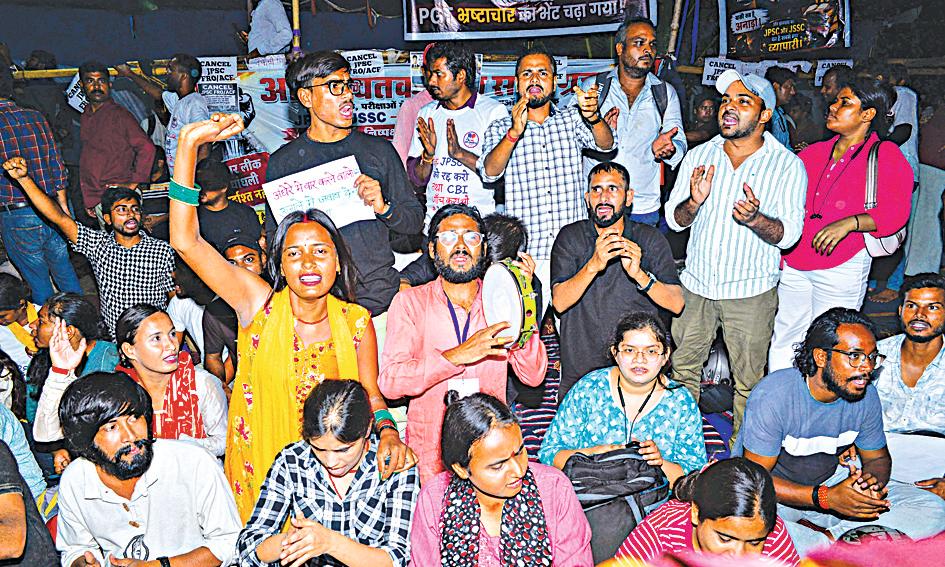
Some politicians in India are using internet slang when they speak in Parliament.
They hope this language will help them connect with younger voters.
Examples include words like “delulu,” “FOMO” and “clock it.”
Social media lets short political clips spread very quickly.
A funny phrase can make people notice a politician or remember a speech.
However, many young people think forced slang can look fake.
They say politicians should show responsibility and explain their plans clearly.
Using Gen Z words may get attention, but understanding young people requires more than copying their language.

Indian politicians have used internet slang such as “clock it,” “delulu,” “FOMO” and “MIA” in Parliament debates.
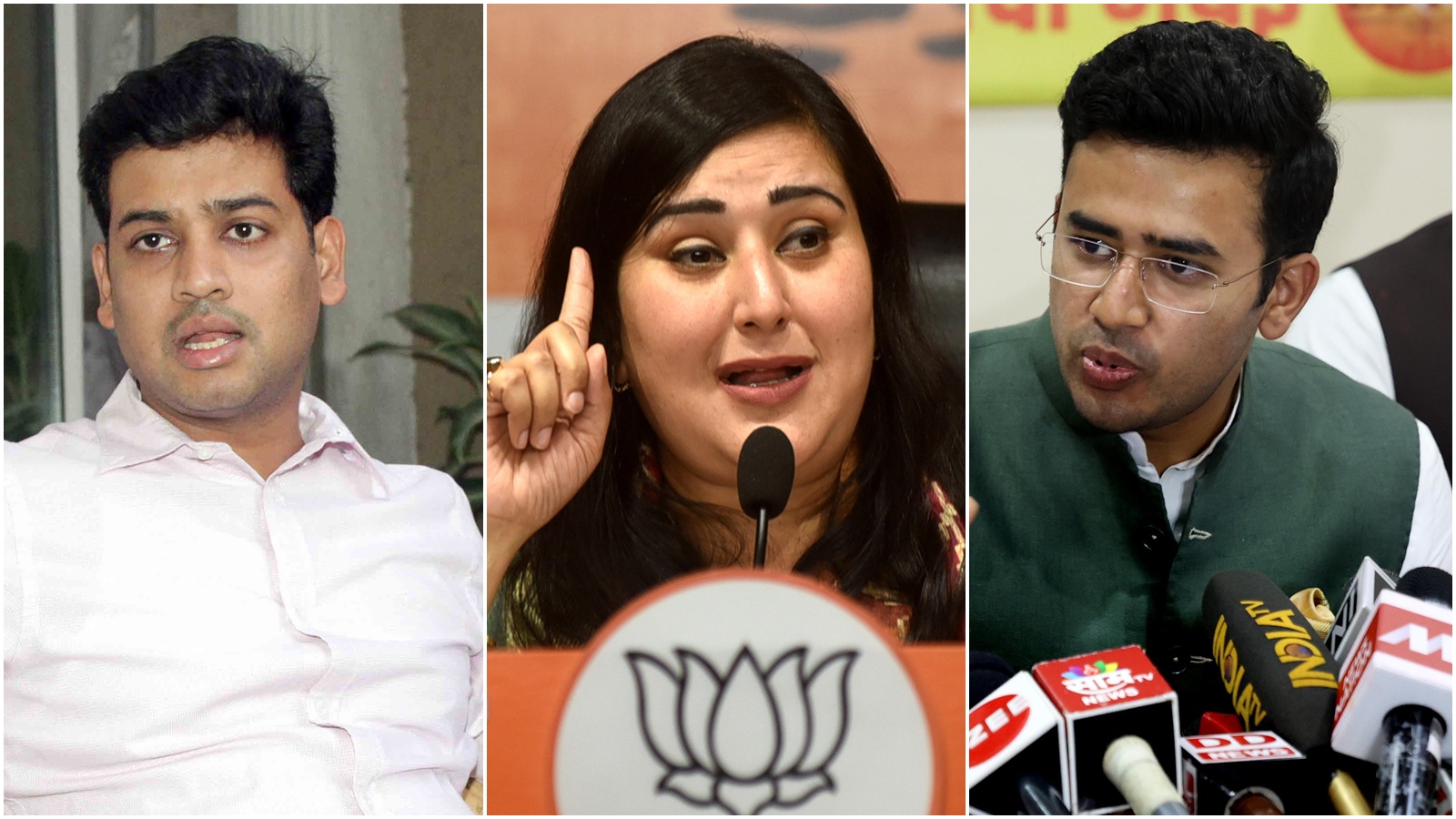
Bansuri Swaraj, Tejasvi Surya, Shrikant Shinde and Deepender Hooda were cited as examples of MPs using youth-oriented language.
Young people interviewed described some politicians’ slang as “cringeworthy” and superficial, arguing that accountability matters more than vocabulary.
Instagram Reels, YouTube Shorts, X, podcasts and memes have changed political communication by rewarding messages that are catchy and shareable.
The article argues that slang may attract attention and curiosity, but it does not automatically create credibility, trust or political support.
- Who
- Indian politicians and young people, including MPs Bansuri Swaraj, Tejasvi Surya, Shrikant Shinde and Deepender Hooda.
- What
- Politicians are incorporating internet and Gen Z slang into parliamentary debates and online political communication.
- Where
- In Parliament and across social media platforms including Instagram Reels, YouTube Shorts and X.
- When
- Recently, as described in the article.
- Why
- To appeal to younger voters, gain online visibility and make political messages more immediate and shareable.
Visibility and Engagement
Authenticity and Accountability
Using Gen Z slang
Visibility and Engagement
Familiar internet language can make Parliament seem less distant and encourage young people to pay attention to political issues.
Authenticity and Accountability
Forced slang can appear superficial, and young people may prefer politicians to speak plainly and treat them like adults.
Going viral
Visibility and Engagement
Catchy lines and short videos can reach millions faster than formal speeches and make political messages memorable.
Authenticity and Accountability
Online visibility does not prove credibility, understanding of youth concerns or political accountability.
Political communication
Visibility and Engagement
Memes, Reels, Shorts and other digital formats help simplify and distribute political content.
Authenticity and Accountability
Reducing complex political moments to shareable phrases may prioritize attention over substantive discussion.
Key facts
- Population context
- Nearly 65% of India’s population is below age 35.
- Slang examples
- “Clock it,” “delulu,” “FOMO,” “MIA,” “kuchu-puchu” and “Vasteguna Huiya” were mentioned.
- Politicians cited
- Bansuri Swaraj, Tejasvi Surya, Shrikant Shinde and Deepender Hooda.
- Digital platforms
- Instagram Reels, YouTube Shorts, X, podcasts, livestreams and memes.
- Young people’s criticism
- Some interviewees called politicians’ use of youth slang superficial or “cringeworthy.”
- Potential benefit
- Internet language can make political content feel humorous, culturally relevant and easier to notice.
- Key limitation
- Going viral may increase visibility, but it does not automatically provide credibility or support.
Quotes

Shashi Tharoor
An Indian politician known for his elaborate vocabulary
“Going viral definitely gives politicians visibility, but I don’t think it automatically gives them credibility”
 deccanchronicle.com
“Rather than copying our lingo. It’s time our netas show some accountability. Actions speak louder than words”
deccanchronicle.com
Sources
Related news

Indian Parliament Adopts Gen Z Slang Without Truly Listening
BJP's Gen Z Charm Offensive Follows Jantar Mantar Protest Crisis

Parliament turned into meme while accountability takes back seat
Reels vs Results: Political messaging won't win over young voters
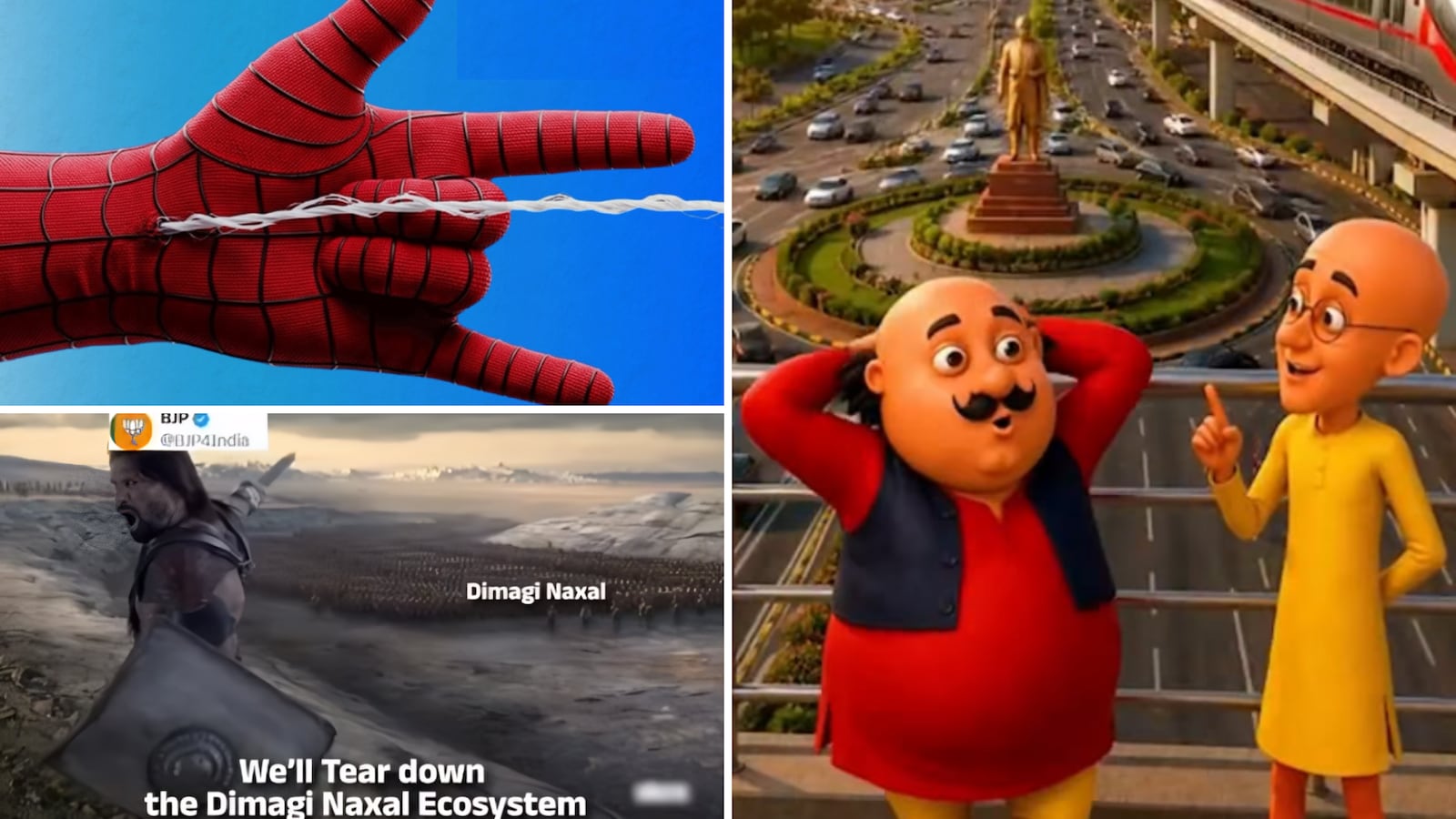
BJP Uses Memes and Gen-Z Slang to Reach Young Indians
Ayodhya Temple CEO Appointment Faces Opposition Donation Allegations

Telangana BJP Alleges Congress, BRS Avoid Hyderabad Liberation Day
Haryana sanitation workers’ strike puts BJP government under pressure

Rival NC-BJP Protests Roil J&K as Police Halt Marches
Shivakumar Calls BJP Padayatra Cover-Up for Internal Crisis