2 hrs ago
India’s GST Needs Deeper Reform Beyond Process Improvements

India’s goods and services tax, or GST, is a system businesses use to pay taxes on goods and services.
The article says recent changes helped, but businesses still face complicated rules.
It argues that refunds should arrive faster and businesses should be able to use tax credits more easily.
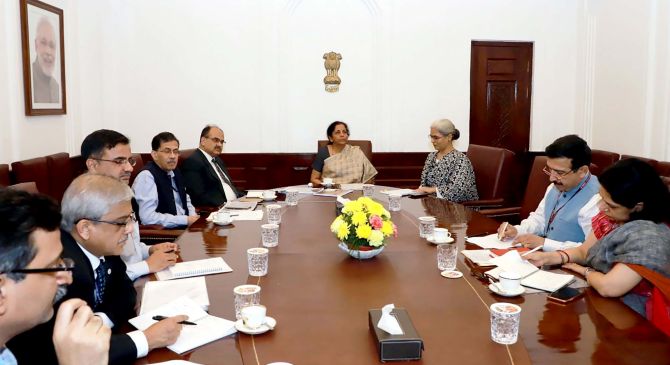
The GST Council is expected to consider changes that could reduce contact between taxpayers and tax officials.
The article also says enforcement should rely more on fair civil penalties than criminal prosecution.
Tax revenue has grown, and state GST receipts rose faster than overall GST revenue in the period discussed.
But India still has several tax rates, exemptions and limits on some tax credits.
The author says making the system simpler and bringing more businesses into it could help reduce costs and support investment.
It also cautions that lower taxes alone cannot guarantee stronger consumer demand.

The article argues that GST 2.0 needs further process reforms to simplify compliance, accelerate refunds and improve input tax credit flows.
Proposals before the GST Council aim to reduce taxman-taxpayer interactions and tax cascading, and shift enforcement toward proportionate civil penalties.
State governments’ aggregate SGST receipts, including IGST settlements, rose 16% in April-September, compared with 11.6% growth in gross GST revenue.
The article says India’s GST remains complex, with exemptions, multiple effective rates and limited input tax credit under the 5% rate.
It calls for structural changes, including a broader tax base and consideration of single business registration numbers and wider e-invoicing.
- Who
- The Union government, the GST Council, businesses and state governments.
- What
- An argument for further process and structural reforms to India’s goods and services tax.
- Where
- India.
- When
- The GST Council is expected to consider proposals; the article also reports revenue figures for April-September following last year’s rate restructuring.
- Why
- To simplify compliance, reduce business costs, improve productivity and provide greater certainty for investment and growth.
Key facts
- Reform context
- GST 2.0 was launched a year ago with rate rationalisation.
- Proposed process changes
- Simpler compliance, faster refunds and improved input tax credit flows.
- Enforcement proposal
- Shift toward proportionate civil penalties, with arrest provisions proposed to be removed.
- State GST receipts
- Aggregate SGST receipts, including states’ share of IGST settlements, rose 16% in April-September.
- Gross GST revenue
- Gross GST revenues grew 11.6% in the same period.
- Rate structure
- The article says the system retains multiple effective rates, exemptions and limited input tax credit under the 5% rate.
- Revenue estimate
- One estimate cited says a 12% GST on the consumption base without exemptions could generate revenue equal to 8.4% of GDP, versus around 6% currently.
Sources
Related news

GST 2.0 to Focus on Faster Refunds and Simpler Compliance

October GST Council to Prioritise Process Reforms, FM Says

India's Next-Gen GST Reforms Target Growth and Easier Compliance

Modi Says Next GST Reform Phase Will Simplify Compliance

Next GST Reform Phase to Simplify Compliance, Sitharaman Says

Sitharaman Signals Next GST Reforms, Compliance Simplification

GST Council Meeting Rescheduled to Thursday for Process Reforms
GST Council Meeting Postponed Again, Rescheduled for October 8

Sitharaman Warns Hormuz Disruption Threatens Global Food Security