

5 hrs ago
Sitharaman Signals Next GST Reforms, Compliance Simplification
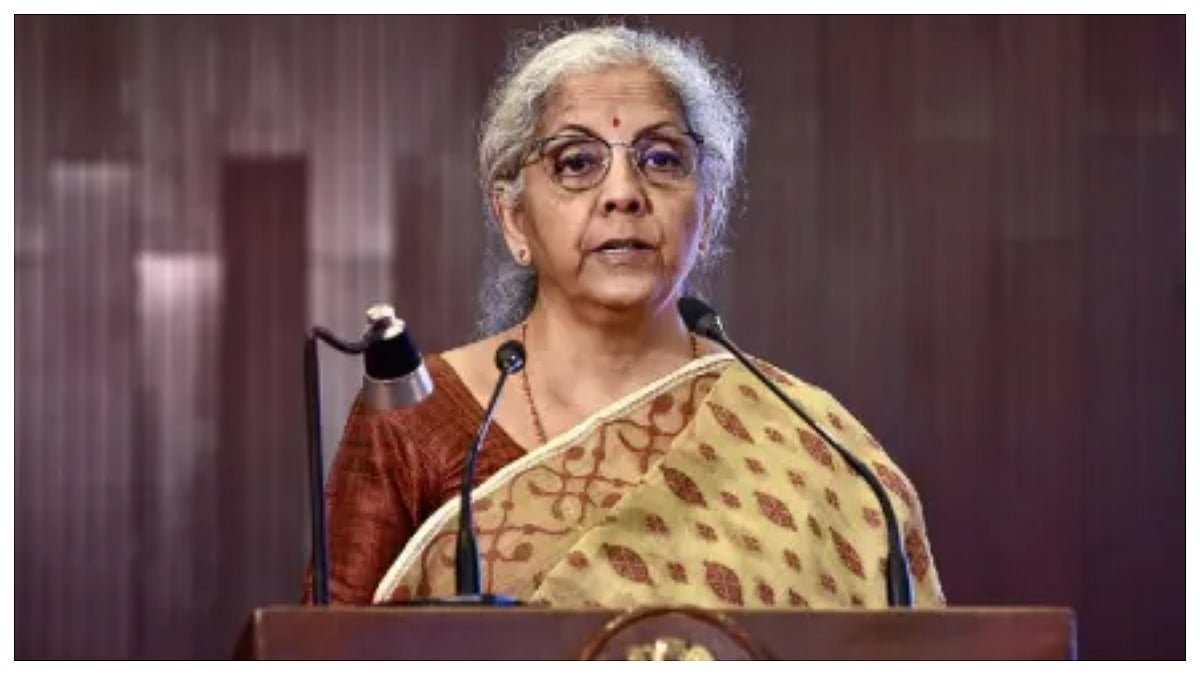
India’s Finance Minister, Nirmala Sitharaman, says more changes to the GST system are coming soon.
GST is a tax collected on many goods and services.
The government wants tax rates to be better arranged and the paperwork easier.
It says the changes are intended to help households and give businesses more certainty.
Taxable supplies and GST collections increased during the periods she described.
More businesses registered for GST, and more filed a key return on time.
Sitharaman said tax authorities should give clear guidance and solve problems promptly.
She also said predictable refunds can help businesses plan.

Finance Minister Nirmala Sitharaman said the next phase of GST process reforms will soon go before the GST Council.
The reforms aim to rationalise tax rates and simplify compliance after rate changes introduced in September last year.
Reported taxable supplies rose 25.8% from October 2025 to July 2026 compared with the same period a year earlier.
Gross GST collections reached ₹12.46 lakh crore in April–September 2026, up 11.6% year-on-year.
GST registrations reached about 17.1 million by the end of August, while timely GSTR-3B filings for April–July rose 12.6%.
- Who
- Finance Minister Nirmala Sitharaman and the GST Council.
- What
- A next phase of GST process reforms, focused on tax-rate rationalisation and simpler compliance, is expected to come before the GST Council.
- Where
- India.
- When
- Sitharaman said the proposals would come before the Council soon; she reported figures covering periods from October 2025 to September 2026.
- Why
- The stated aims are to provide relief to households, give businesses greater certainty, and make GST compliance and administration easier.
Reform objectives
Implementation responsibilities
Simplifying GST
Reform objectives
The government says the next reforms will rationalise tax rates and make compliance easier, offering relief to households and greater certainty to businesses.
Implementation responsibilities
Sitharaman said improved compliance and registrations also place greater responsibility on tax authorities to provide reliable services, clear guidance, and timely problem resolution.
Benefits and conditions for business
Reform objectives
Sitharaman said simpler administration and predictable refunds could help businesses plan and allow small and medium enterprises to expand beyond local markets.
Implementation responsibilities
The article presents these as expected benefits and does not include a separate opposing assessment from businesses or other critics.
Key facts
- Gross GST collections
- ₹12.46 lakh crore in April–September 2026, up 11.6% year-on-year.
- Net GST collections
- Up 10.4% after refunds during the first half of the financial year.
- Taxable supplies
- Reported supplies rose 25.8% from October 2025 to July 2026 against the corresponding year-ago period.
- Business-to-consumer sales
- Rose 26.7% in the post-reform comparison.
- GST registrations
- About 17.1 million by the end of August, nearly 15% above a year earlier.
- Timely GSTR-3B filings
- Returns filed by their due dates for April–July 2026 tax periods increased 12.6%.
- Refunds
- Around ₹1.80 lakh crore was refunded during April–September.
Sources
Related news

Next GST Reform Phase to Simplify Compliance, Sitharaman Says

India's Next-Gen GST Reforms Target Growth and Easier Compliance

Modi Says Next GST Reform Phase Will Simplify Compliance

October GST Council to Prioritise Process Reforms, FM Says
GST 2.0 to Focus on Faster Refunds and Simpler Compliance
India’s GST Growth Slows Beneath Strong Headline Collections

Anand Mahindra Urges Daily Challenges and Constant Vigilance

FSSAI Crackdown Drives Hiring Surge Across Food Businesses

IITs Restrict 22 Firms After Unfulfilled Student Job Offers

Kunal Bahl Says Entrepreneurship Starts With Solving Problems
