

2 weeks ago
Student NEET Protests Spur Resignation of Education Minister Dharmendra Pradhan
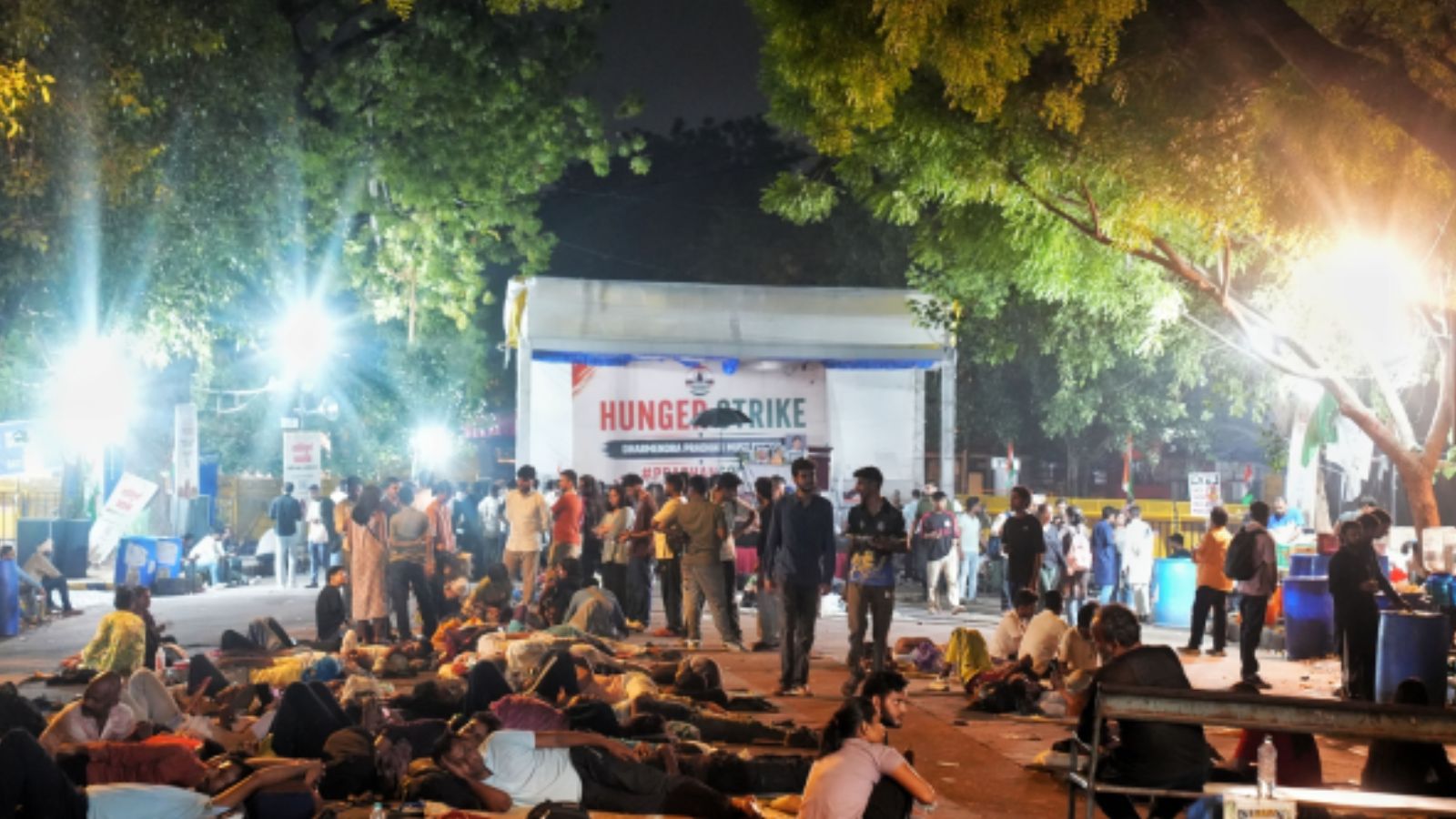
In India, many students take a big test called NEET to get into medical school.
Recently, students got angry because they said the test was not fair and exam papers were leaked.
Lots of students protested in Delhi and other cities for weeks.
They asked the minister in charge of education, Dharmendra Pradhan, to leave his job.
On July 25, the minister resigned.
The students said this showed that when people work together, they can make a difference.
The article that tells this story says Indian students have always stood up for big causes.
Long ago, students helped India win freedom from British rule.
The writer says the minister's resignation is only the beginning, and students should keep working for fair exams, good schools and jobs for everyone.
He believes young people can help make India a fairer and more democratic country.

Students in India staged sustained protests over NEET examination irregularities and paper leaks.
The mobilisation contributed to the resignation of Union Education Minister Dharmendra Pradhan on July 25.
Removing the minister had been a central demand of the weeks-long movement in Delhi and elsewhere.
The article links the protests to India's tradition of student activism, from the Quit India Movement to the All India Students' Federation founded in 1936.
The author argues the resignation must begin a wider reckoning over exam integrity, public education, employment and democratic rights.
- Who
- Students across India who protested against NEET exam irregularities, and Union Education Minister Dharmendra Pradhan, who resigned.
- What
- Sustained student protests over NEET examination irregularities and paper leaks that contributed to the Union Education Minister's resignation.
- Where
- Delhi and elsewhere in India.
- When
- On July 25, after weeks of protests, in the context of India's 79th anniversary of Independence.
- Why
- Students demanded accountability for examination irregularities and paper leaks; the minister's exit was a central demand of the movement.
Student movement and the author's democratic vision
Government and ruling establishment (as characterised in the article)
Examination integrity
Student movement and the author's democratic vision
The NEET crisis shows real paper leaks, manipulation and irregularities in the examination system that demand accountability.
Government and ruling establishment (as characterised in the article)
Authorities treat such allegations and dissent as problems to be managed rather than as constitutional rights to be respected.
Minister's resignation
Student movement and the author's democratic vision
Pradhan's July 25 resignation was a victory won through sustained student mobilisation and was a central demand of the movement.
Government and ruling establishment (as characterised in the article)
Accountability is difficult to extract from those in power, and a single resignation risks being treated as the end rather than the start of reform.
Role of students
Student movement and the author's democratic vision
Students are the vanguard of democracy, continuing a heroic tradition that reaches from the anti-colonial struggle to today's protests.
Government and ruling establishment (as characterised in the article)
Student protest is treated as a problem to be managed rather than a constitutional right to be respected.
Key facts
- Event
- Student protests over NEET examination irregularities and paper leaks
- Central demand
- Resignation of Union Education Minister Dharmendra Pradhan
- Minister's resignation
- July 25, after weeks of protests
- Protest locations
- Delhi and elsewhere in India
- Duration
- Weeks of sustained mobilisation
- Historical anchor
- All India Students' Federation founded in Lucknow, August 1936
- Context
- India marks its 79th anniversary of Independence
- Editorial source
- General Secretary, Communist Party of India (CPI)
Sources
Related news
Mohan Bhagwat Defends Student Protests as Legitimate Democratic Dialogue
Student activist Neha Bora on Naxalism, Umar Khalid and polls
Youth Protests Force Exam Cancellations and Political Concessions
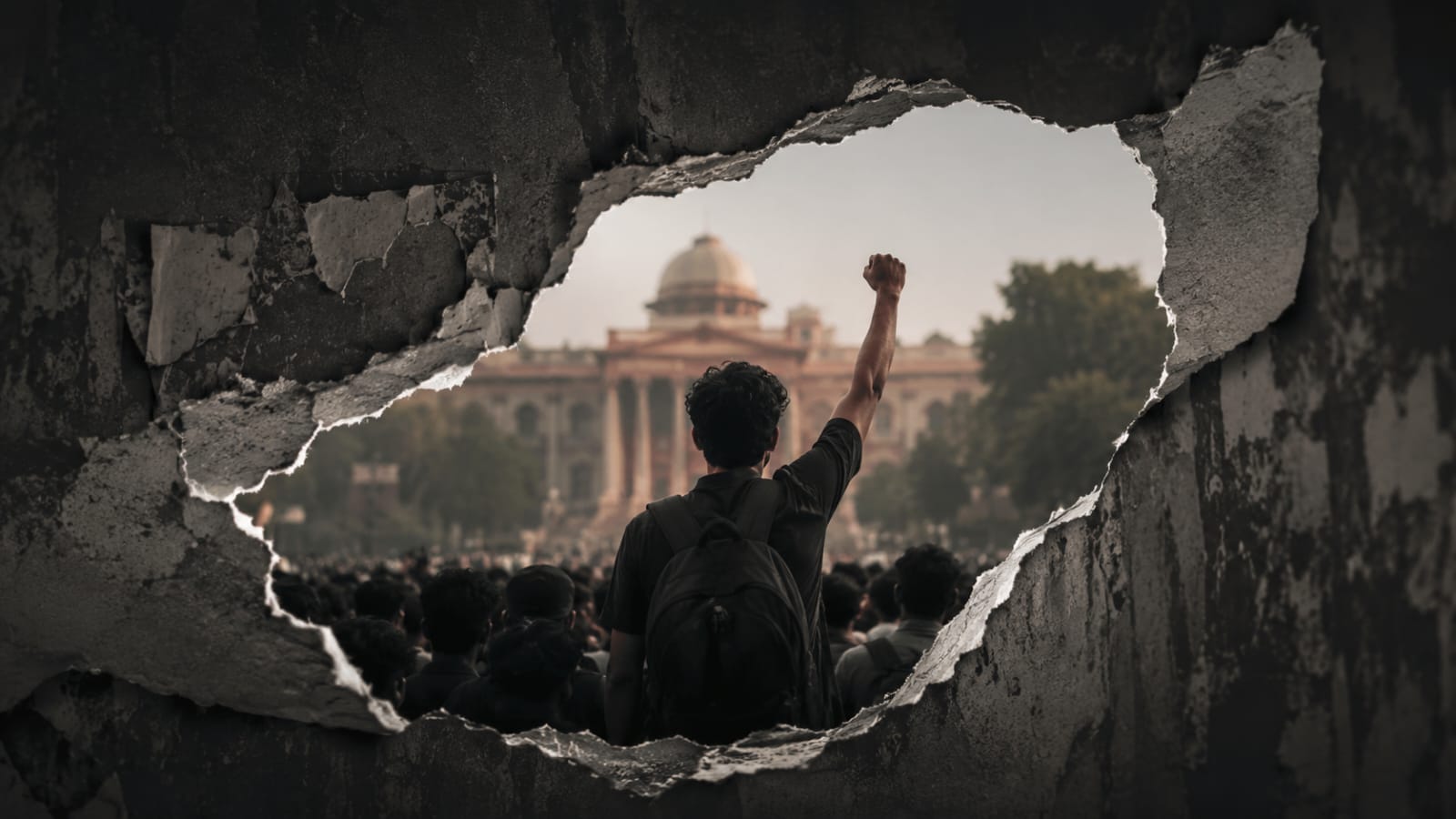
Student Protests Turn Private Grievances Into Public Demands
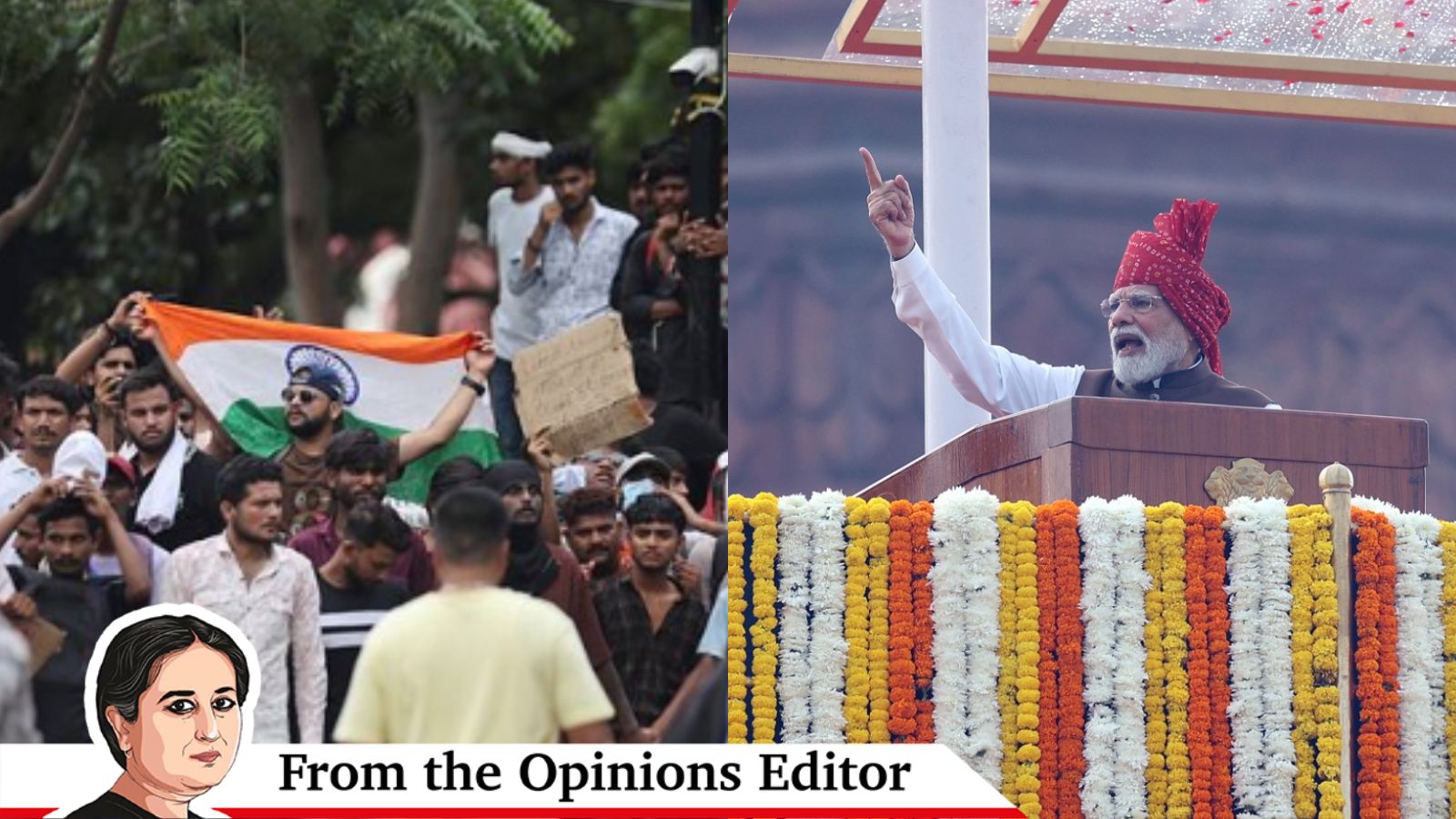
The Day After I-Day: Snapshots of Freedom and Unfreedom
AISA Backs September 5 Delhi March, Demands Student Cases Withdrawn
BJP MLA Anil Sharma Dies After Prolonged Illness, Yogi Mourns
India’s Global Power Ambitions Face Economic and Democratic Setbacks
Sonia Gandhi Memoir Sparks Debate Over Politics, Publishing And Speech

Rajasthan BJP Promises Early Disturbed Area Law Enforcement

Punjab Police, ED Clash Over Alleged Transfer-Posting Network
