2 weeks ago
Youth Protests Force Exam Cancellations and Political Concessions
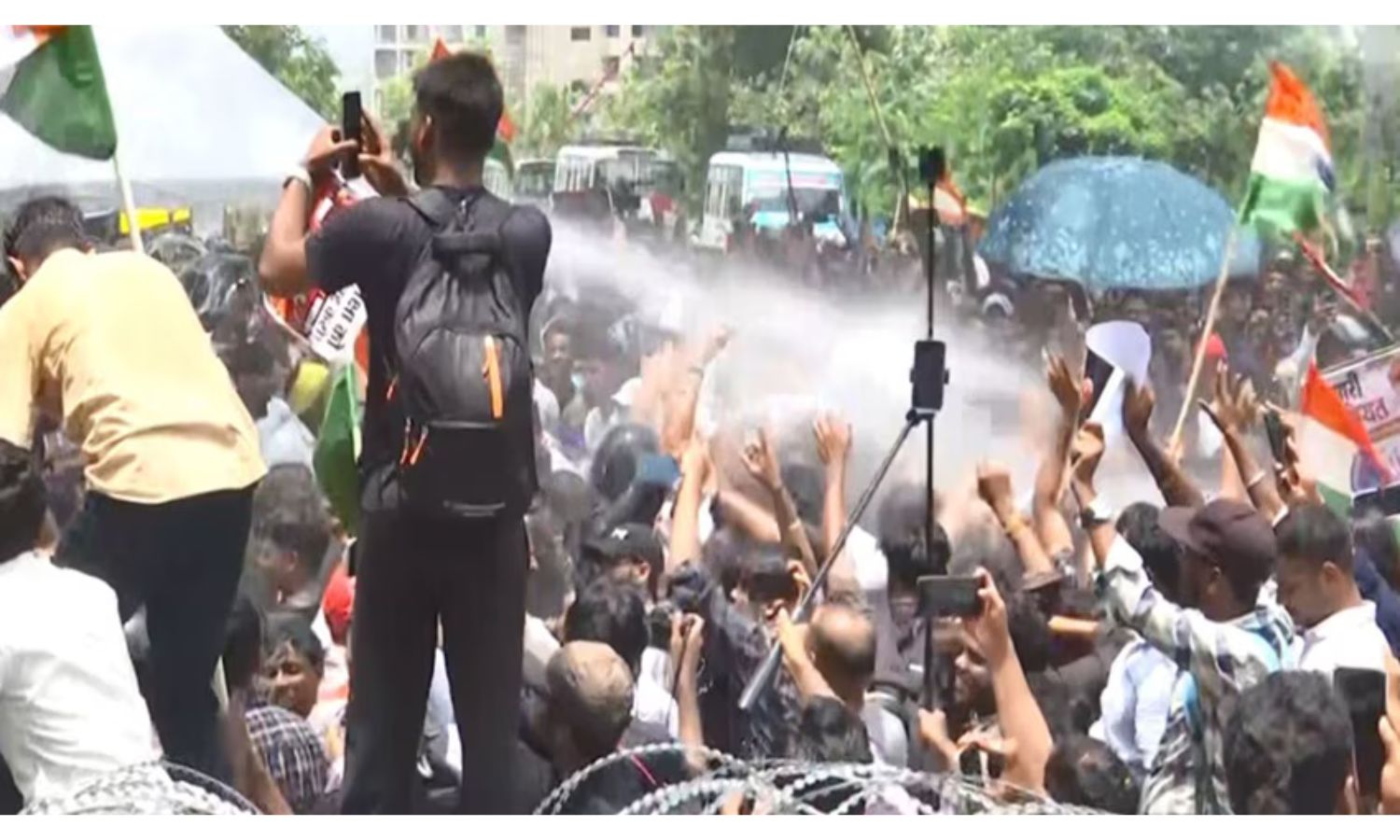
Young people in Delhi and Jharkhand protested because they believed important exams were being badly managed.
They raised concerns about paper leaks, corruption and unfair recruitment procedures.
Students and job seekers joined the demonstrations.
Some protesters gathered at Jantar Mantar, while others protested in Jharkhand.
The article says the protests helped lead to an education minister’s resignation and the cancellation of two recruitment examinations.
Police used methods including barricades, water cannons and baton charges to control crowds.
Protesters argued that their concerns were about their futures, not simply about breaking the law.
The demonstrations have increased pressure for exam reforms and investigations into police actions.

Protests in Delhi and Jharkhand focused on exam irregularities and recruitment grievances.
The demonstrations involved students, job aspirants and the Cockroach Janta Party.
The article says protests contributed to the education minister’s resignation and exam cancellations.
Authorities faced criticism over lathi charges, barricades, water cannons and alleged surveillance.
The protests have renewed calls for examination reforms and investigations into police conduct.
- Who
- Students, job aspirants, young protesters and the Cockroach Janta Party, along with student unions.
- What
- Protests over examination irregularities, recruitment tests, alleged paper leaks and government handling of student grievances.
- Where
- At Jantar Mantar in Delhi and in Ranchi and other parts of Jharkhand.
- When
- The protests continued for nearly a month; the article gives no specific dates.
- Why
- Protesters sought accountability, fair examinations and action over alleged leaks, corruption and flawed recruitment processes.
Protesters and supporters
Government and police authorities
Nature of the demonstrations
Protesters and supporters
Protesters and supporters described the actions as a legitimate expression of student and youth grievances over exams, recruitment and future employment.
Government and police authorities
Authorities treated the demonstrations primarily as a law-and-order issue, according to the article.
Handling of examination concerns
Protesters and supporters
Protesters demanded action over alleged paper leaks, corruption, poor examination management and flawed recruitment processes.
Government and police authorities
The article portrays the Union ministry and Jharkhand government as slow or hesitant to address the demands, citing delayed talks and reluctance to cancel examinations earlier.
Police response
Protesters and supporters
The article says protesters faced harsh crowd-control measures, surveillance and cases registered after demonstrations.
Government and police authorities
Police authorities used crowd-control measures, while proposed enquiry panels were intended to examine alleged excesses by the Delhi police; the article also criticizes the Jharkhand police.
Key facts
- Main protest groups
- Students, job aspirants, student unions and the Cockroach Janta Party.
- Delhi protest site
- Jantar Mantar.
- Jharkhand examinations
- The article identifies the JSSV-CGL and TDPL-conducted recruitment examinations.
- Protest duration
- Demonstrators endured nearly a whole month of privation, according to the article.
- Crowd-control methods cited
- Lathi charges, baton strikes, pellet guns, water cannons and iron barricades.
- Legal right cited
- The Supreme Court reminded authorities of the right to protest under Article 19 of the Constitution.
- Government response
- Exam reforms and enquiry panels into alleged Delhi police excesses were being discussed.
Sources
Related news

Jharkhand Police Clash With Gen Z Students Over Exam Reforms
Student Protests Reflect Shared Struggle Beyond Ranchi Versus Jantar Mantar

Why India’s Young Are Angry and Losing Patience
Jharkhand youth protests prompt exam cancellations amid India's job crisis

Jharkhand Youth Exam Protests Test India's Political Parties
Prashant Kishor Warns Youth Protests Over Jobs, Education
Two Years After RG Kar Doctor's Rape-Murder, Case Remains Unresolved

ED widens Chhattisgarh probes with two arrests and searches

Delhi High Court Orders Madhya Pradesh to Pay Advocate Dues
Haryana sanitation workers’ strike puts BJP government under pressure
Orissa High Court Says Brothel Customers Cannot Face Trafficking Charges