

4 days ago
Delhi EV Roadmap Targets Cleaner Transport and Sustainable Growth
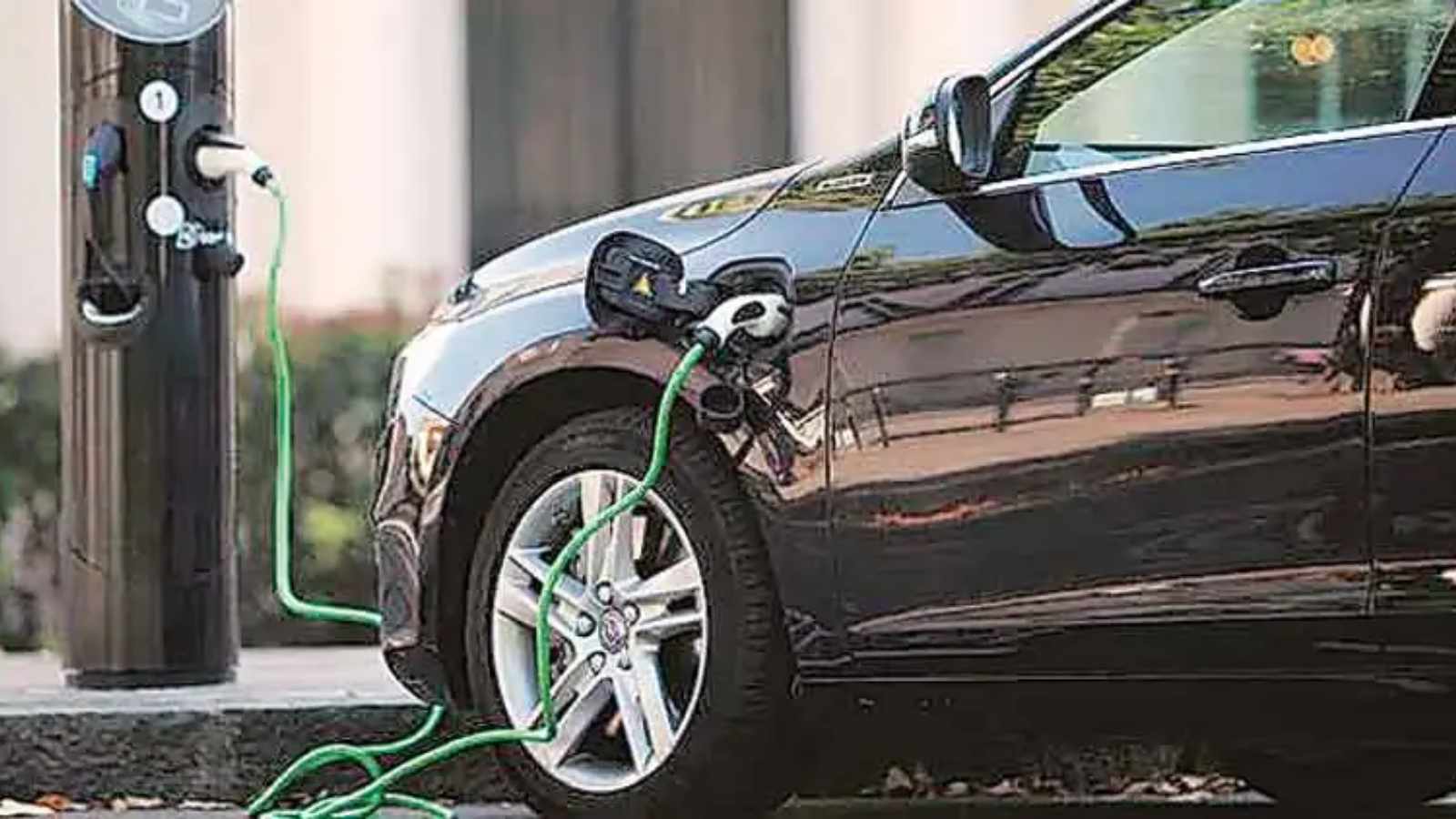
Delhi wants more vehicles to run on electricity instead of petrol or diesel.
The government says vehicle pollution is a major cause of Delhi’s winter air pollution.
It plans to require some new three-wheelers and goods vehicles to be electric from 2027.
Two-wheelers would begin moving to an electric-only registration system in 2028.
People can receive financial help when buying certain electric vehicles.
The city also plans to build many more charging points.
Delhi already has more than 5,000 electric buses and wants up to 13,000.
The plan is meant to make the city cleaner and more sustainable, although changing habits and building infrastructure will take time.

Delhi’s Electric Vehicle Policy proposes a phased shift toward electric three-wheelers, goods carriers, and two-wheelers.
New L5 three-wheelers and N1 goods carriers will move to electric-only registrations from January 1, 2027.
Electric two-wheelers can receive up to Rs 30,000 in purchase support, while eligible N1 vehicles can receive up to Rs 1 lakh.
Delhi aims to expand its public charging network to 32,000 points and increase its electric-bus fleet to as many as 13,000.
The policy is intended to address vehicular emissions, identified as Delhi’s largest primary source of winter air pollution.
- Who
- The Delhi government, led by Chief Minister Rekha Gupta, along with vehicle owners, businesses, infrastructure agencies, and residents.
- What
- An electric-vehicle roadmap under Delhi’s Electric Vehicle Policy, including purchase incentives, registration targets, charging infrastructure, and electric-bus expansion.
- Where
- Delhi, India.
- When
- The campaign begins on September 17; major EV milestones begin January 1, 2027, and continue through March 31, 2030.
- Why
- To reduce vehicular emissions and support cleaner, more efficient, and resilient urban development.
Key facts
- Air-pollution contribution
- Vehicular emissions account for approximately 23 per cent of Delhi’s winter air pollution, according to an assessment submitted to the Supreme Court in January.
- EV sales
- Reported total EV sales rose from 2,322 in FY 2014-15 to 25,45,622 in FY 2025-26.
- Registration transition
- New L5 three-wheelers and N1 goods carriers are scheduled to move to electric-only registrations from January 1, 2027; two-wheelers follow from April 1, 2028.
- Purchase support
- Electric two-wheelers can receive up to Rs 30,000, while eligible N1 commercial vehicles can receive up to Rs 1 lakh.
- Private-car incentive
- Eligible buyers can receive a Rs 1 lakh scrapping incentive and a 100 per cent waiver of road tax and registration fees for qualifying electric cars until March 31, 2030.
- Charging target
- Delhi is targeting 32,000 public charging points, requiring approximately 23,000 additional points.
- Electric buses
- Delhi has more than 5,000 electric buses and is targeting as many as 13,000 in the next few years.
Sources
Related news

Delhi CM Flags Off 50 New Electric Buses
Delhi Leads NITI Aayog’s 2025 Electric Mobility Index

NITI Aayog Urges States to Rethink EV Subsidies
TVS Supports Delhi Electric Mandate Despite Motorcycle Portfolio Gap
PARIVARTAN Scheme Offers Incentives for Cleaner Commercial Vehicles

Jaishankar Holds Diplomacy Talks With France and Ecuador
Nitin Nabin Launches BJP Ground Campaign For Uttar Pradesh 2027

CJP Sets December 31 Deadline After MGM Hospital Ceiling Collapse
Mumbai Court Grants Bail in Fake PMO Identity Card Case

BJP Condemns Remarks About Modi’s Late Mother at Rahul Event