

1 hr ago
TVS Supports Delhi Electric Mandate Despite Motorcycle Portfolio Gap
Delhi plans to allow only electric two-wheelers to be newly registered from April 2028.
TVS Motor Company says it supports this government decision.
However, TVS currently makes electric scooters but no electric motorcycles.
This could make it harder for TVS to serve customers who want motorcycles.
In Delhi, most of TVS’s sales are still powered by petrol.
TVS is increasing its ability to build electric vehicles as demand grows.
The company also says charging infrastructure and suppliers may need more time to prepare.
TVS is studying different technologies to reduce risks involving important parts such as magnets and semiconductors.

TVS Motor Company supports Delhi’s requirement that new two-wheelers be electric from April 1, 2028.
The company offers three electric scooters but no electric motorcycle, compared with 14 internal-combustion models.
TVS sold 150,757 two-wheelers in Delhi in FY26, including 6,866 electric vehicles.
Electric motorcycles remain a significant gap because motorcycles represented about 60% of India’s FY26 two-wheeler sales.
TVS plans to increase electric manufacturing capacity beyond 50,000 units monthly while assessing infrastructure and supply-chain challenges.
- Who
- TVS Motor Company, represented by Gaurav Gupta, and the Delhi government’s electric two-wheeler policy.
- What
- TVS endorsed Delhi’s electric-only registration mandate but faces a product gap because it has no electric motorcycle.
- Where
- Delhi, with implications for TVS’s broader operations in India.
- When
- The mandate is scheduled to begin on April 1, 2028; the company’s cited sales and market figures are for FY26.
- Why
- Delhi is seeking faster electric-vehicle adoption, while TVS must expand its electric range and capacity to serve customers under the policy.
Policy Support
Implementation Concerns
Electric-only registrations
Policy Support
TVS says it fully supports Delhi’s direction and expects manufacturers and other stakeholders to help implement it.
Implementation Concerns
The mandate could challenge TVS because its current product range is dominated by internal-combustion models and lacks an electric motorcycle.
Readiness of infrastructure
Policy Support
The policy is intended to accelerate electric two-wheeler adoption, which TVS expects will continue growing.
Implementation Concerns
TVS said it could not determine whether infrastructure would be ready when the mandate takes effect.
Supply and technology
Policy Support
TVS is expanding electric manufacturing capacity and evaluating multiple technology combinations.
Implementation Concerns
The company is concerned about suppliers’ ability to scale and is assessing risks involving critical components such as magnets and semiconductors.
Key facts
- Mandate start date
- April 1, 2028
- Current TVS electric portfolio
- Three electric scooters and no electric motorcycle
- TVS Delhi two-wheeler sales
- 150,757 in FY26
- TVS Delhi electric sales
- 6,866 units, or 4.6% of its FY26 Delhi sales
- Current electric manufacturing capacity
- Approximately 40,000–45,000 units per month
- Planned capacity
- More than 50,000 units per month over the next few months
- Industry electric share
- Around 10% of two-wheeler sales this year, compared with 6.7% last year
Quotes
Gaurav Gupta
President of India 2W Business at TVS Motor Company
“It’ll be difficult for me to say whether infrastructure is ready today or will it be ready by tomorrow.”
 financialexpress.com
“We are in full support, and we will follow the direction of the government.”
financialexpress.com
Sources
Related news
India Electric Two-Wheeler Sales Cross 1.36 Million in 2026
India’s EV Two-Wheeler Boom Faces Major Supply Bottleneck

VinFast Begins India Dealer Hunt Ahead of Electric Scooter Launch
India’s Two-Wheeler Sales Continue Strong Growth Momentum in August
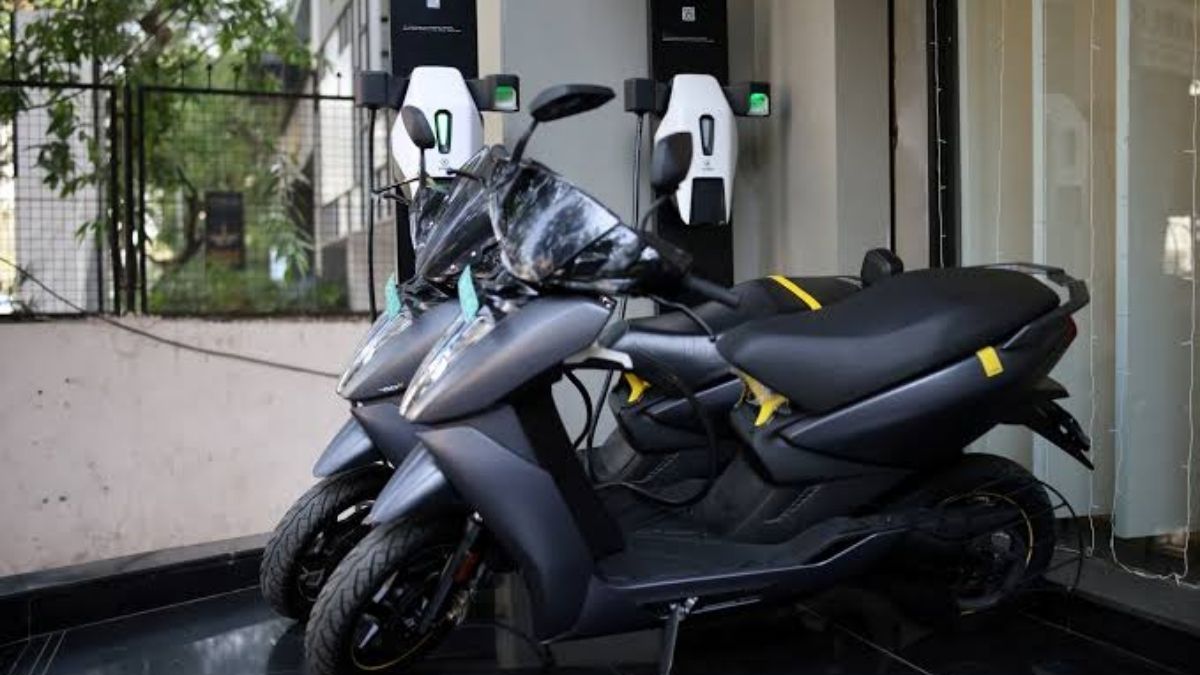
Smaller Indian EV Brands Accelerate Growth Amid Two-Wheeler Boom
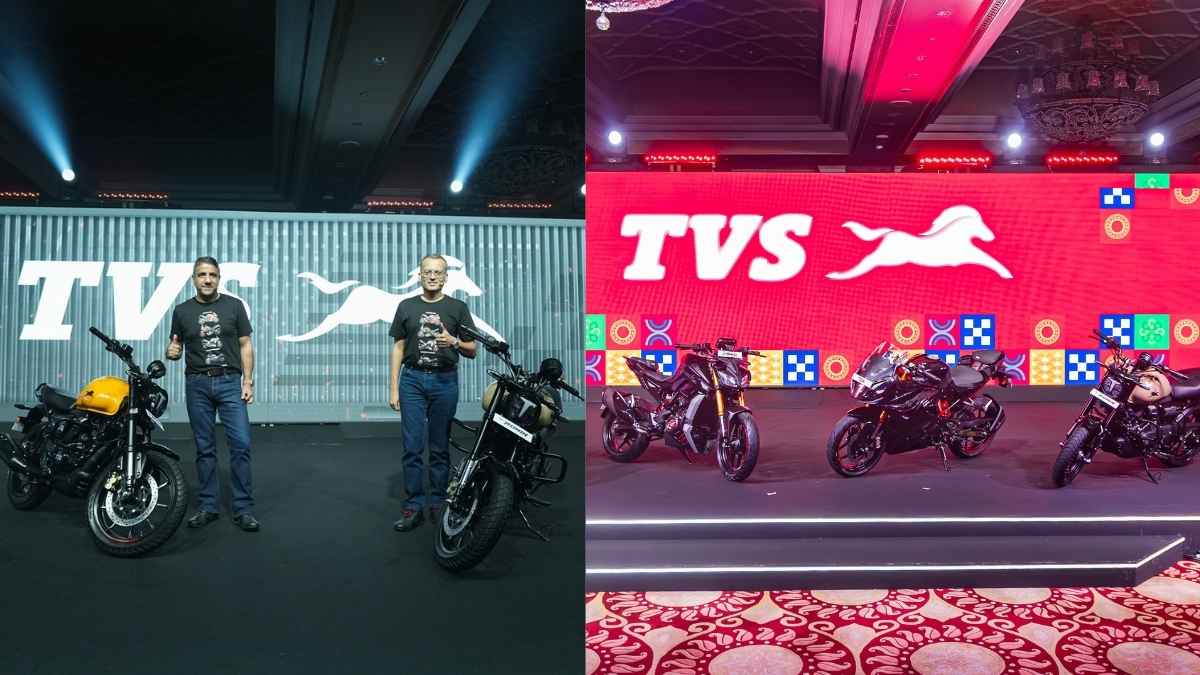
TVS Refreshes Apache and Ronin Motorcycles Ahead of Festive Season

TVS Apache RR 310 Black Diamond Edition Launches In India
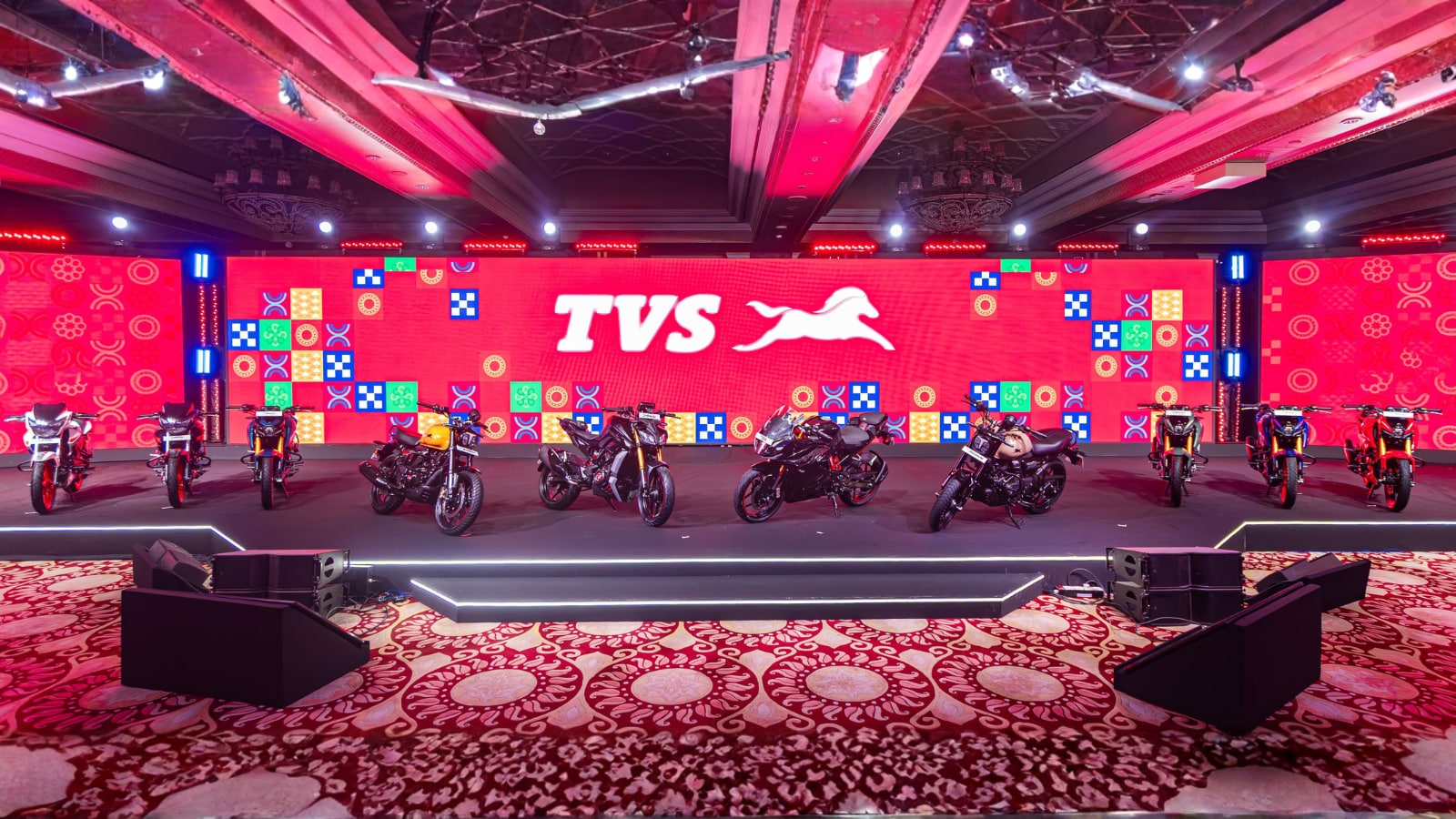
TVS Updates Apache and Ronin Motorcycles Ahead of Festive Season

2026 TVS Apache RTR 160 Adds Traction Control
