

1 week ago
Korean Traders Turn to Risky ELS for 50% Coupons

Many South Korean investors are buying special products called ELS.
These products promise very large payments if certain stocks stay within agreed limits.
Some products are linked to Samsung Electronics or SK Hynix.
Their advertised annual payments can reach 40% to 50%.
But investors can lose much or all of their original money if the stocks fall too far.
The buying increased after South Korean stocks suffered a large drop.
Regulators are now asking brokers to give stronger warnings when risks grow.
Experts disagree about whether the products are an attractive opportunity or a dangerous way to chase returns.

South Korean retail investors bought more than 3.5 trillion won of ELS products in July, the highest monthly total since April 2023.
Notes linked to Samsung Electronics and SK Hynix offered annualized coupons ranging from about 40% to 50%.
Investors can lose substantial or all of their principal if the underlying shares fall sharply and payout conditions are not met.
The renewed demand followed the Kospi’s 22% plunge and tighter restrictions on single-stock leveraged exchange-traded funds.
South Korea’s Financial Supervisory Service will require stronger risk warnings and reviews for structured products starting next month.
- Who
- South Korean retail investors, brokerages, market experts, and financial regulators.
- What
- Retail investors are increasing purchases of equity-linked securities offering high coupons but carrying substantial downside risk.
- Where
- South Korea’s financial markets.
- When
- Sales surged in July, while tighter oversight is scheduled to begin next month.
- Why
- Investors are seeking higher returns after a market correction, while lower share prices and increased volatility allow issuers to offer larger coupons.
Arguments for ELS demand
Warnings about ELS risks
High coupons after the selloff
Arguments for ELS demand
Investors may see lower share prices and elevated volatility as an attractive entry point, with products offering unusually high coupons.
Warnings about ELS risks
High coupons reflect substantial equity-like risk and may encourage investors to confuse strong companies with safe entry prices.
Confidence in major technology stocks
Arguments for ELS demand
Supporters may believe Samsung Electronics and SK Hynix can avoid a major collapse, while demand for high-bandwidth memory chips strengthens their finances and shareholder-return prospects.
Warnings about ELS risks
Even well-known companies can suffer sharp declines, and investors may lose much or all of their principal if preset conditions are breached.
Regulation and disclosure
Arguments for ELS demand
Clearer risk disclosure could help investors participate in potential upside while receiving some downside protection.
Warnings about ELS risks
Past losses involving China-linked notes, along with findings that some brokers misrepresented risks, show that disclosure and oversight remain concerns.
Key facts
- July ELS sales
- About 3.5 trillion won, the highest since April 2023.
- Advertised coupons
- Some equity-linked securities offered annualized coupons of 40% to 50%.
- Meritz Securities product
- A note linked to Samsung Electronics and SK Hynix offered a 43.4% annualized yield.
- Potential loss
- The Meritz Securities note could expose investors to principal losses if either stock plunges 70% and remains sharply below its starting price at maturity.
- Kiwoom Securities product
- A note linked to SK Hynix and LG Electronics offered coupons of up to 50% and disclosed losses of 30% to 100% if payout conditions failed.
- Market decline
- The Kospi fell 22% during the selloff, while Samsung Electronics and SK Hynix remained at least 22% below their June all-time highs.
- Regulatory changes
- The Financial Supervisory Service will require warnings when products approach knock-in levels and reviews when market conditions significantly increase investor risk.
Quotes
Maxence Visseau
Dubai-based chief investment officer at Arkevium Capital
“ELS issuance usually rises after a correction or volatility shock, when entry prices look better and coupons increase.”
 livemint.com
Patrick Ho
Chief investment officer for North Asia at HSBC Private Bank and Premier Wealth
“The key thing is that for any product, you need to disclose the risk involved.”
livemint.com
Sources
Related news
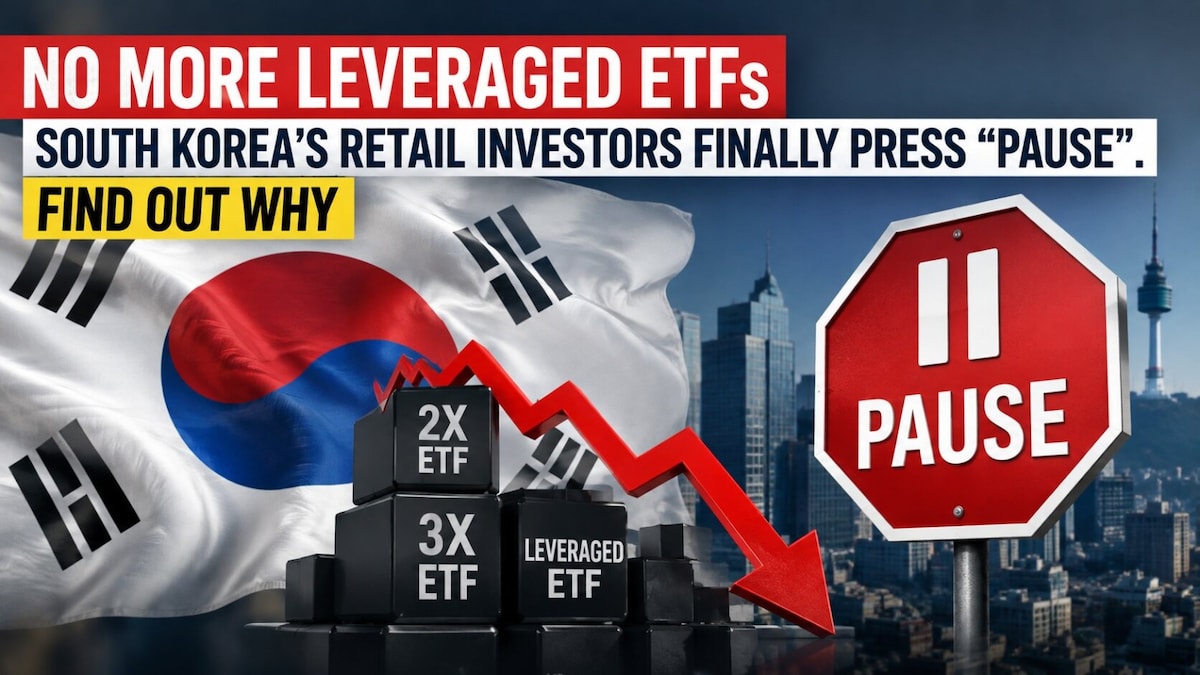
Mock-Trading Rules Cool South Korea’s Leveraged Chip ETF Frenzy

Leveraged ETF Rotation Fuels 30% Jump in Korea Small Caps

South Korea’s Leveraged ETFs Turn Stock Market Into Fright Ride

Korean Investors Shift From Home Stocks to Costlier US Names

Korea Volatility Spike Ebbs as Leveraged Trades Flushed Out
AI Week: Chip Breakthroughs, Brain Surgery and Quantum Campus
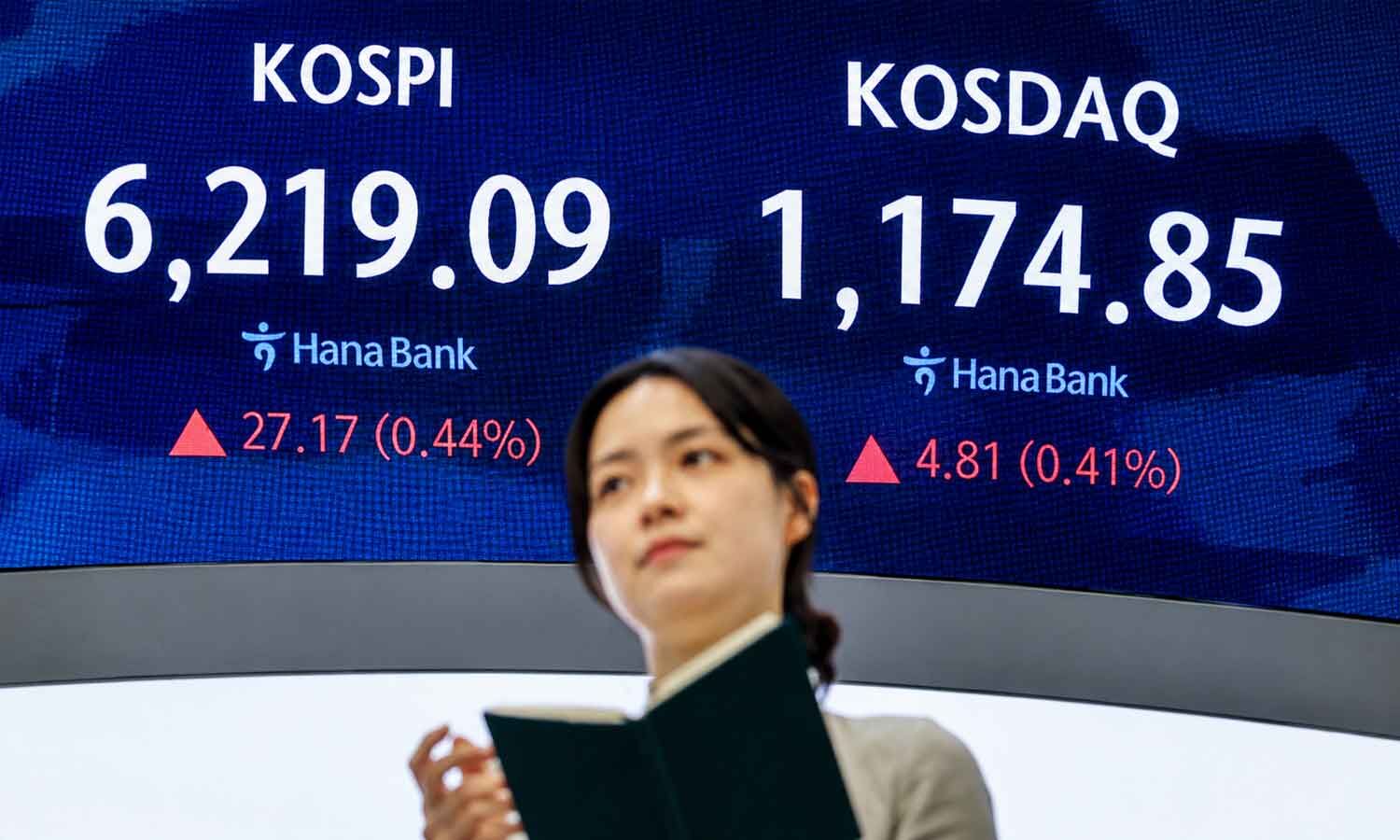
South Korean Investors Shift $7 Billion Into U.S. Stocks

Sensex, Nifty Face Cautious Monday Outlook Amid Global Cues

Netlist Stock Surges 650% as AI Demand Boosts Memory Business
