

15 hrs ago
White House AI Compact Raises Questions About Corporate Oversight

President Trump met with leaders of big technology companies to discuss artificial intelligence.
These companies know a lot about building AI, and they agreed to take steps to make their systems safer.
The article says that companies should not be the only ones deciding what counts as safe.
Companies may want to release products quickly, while the public may want more testing first.
AI can affect many parts of life, including jobs, schools, news and security.
Building AI also needs large amounts of electricity, land and water.
Local communities may have concerns about hosting data centres.
The article says government rules and company expertise both matter.
It asks whether AI will be guided by a partnership or mostly by the companies that build it.

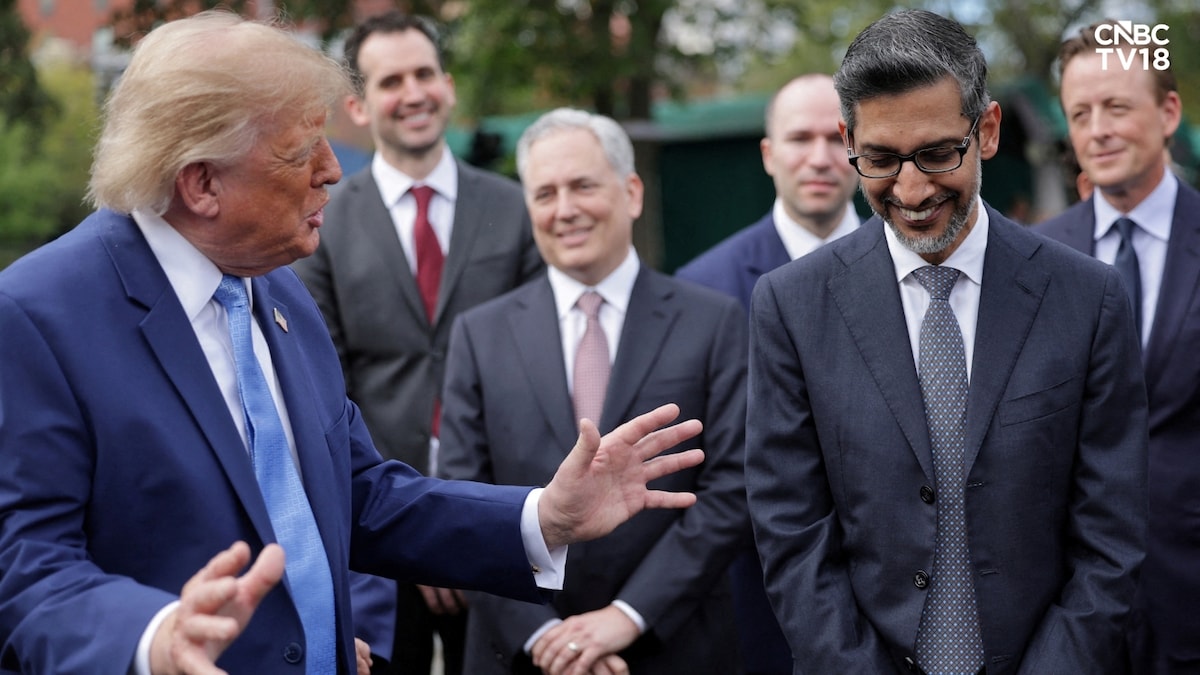
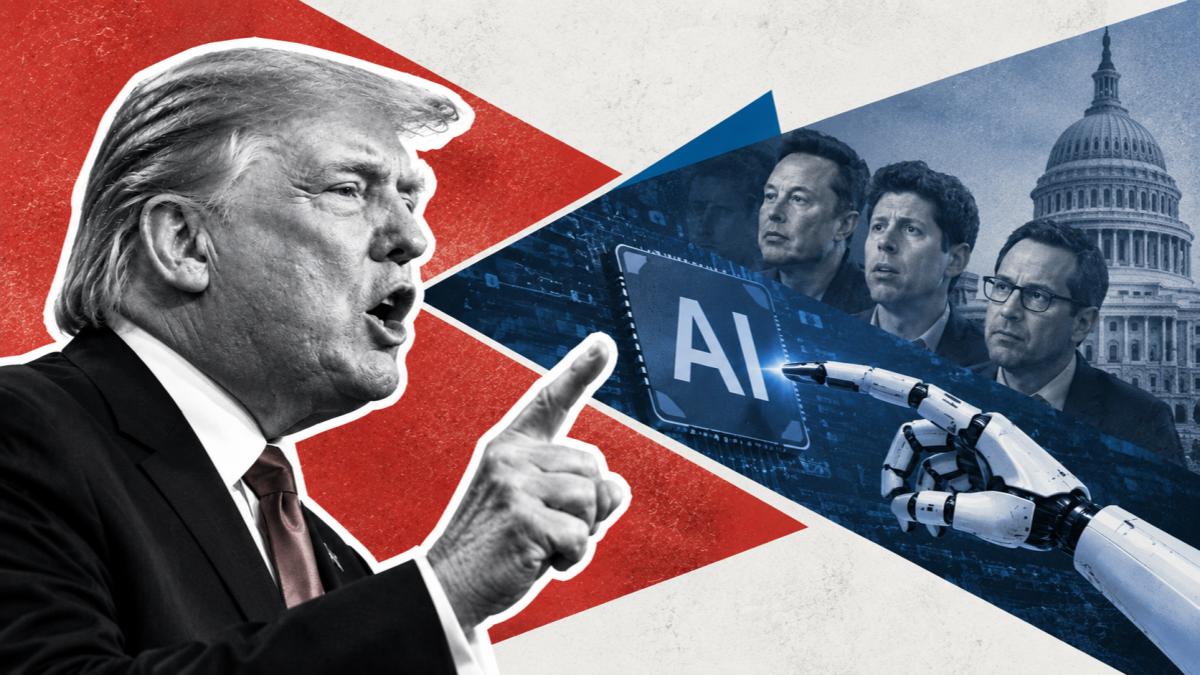
President Donald Trump met with leaders from major technology companies, including OpenAI, Anthropic, Google, Meta and Nvidia.
The article describes the meeting as a shift toward voluntary corporate responsibility for AI safeguards, monitoring, corrections and independent audits.
It argues that companies’ technical expertise does not give them public legitimacy to decide what level of AI risk is acceptable.
The article warns that commercial pressure to deploy profitable systems quickly may conflict with precaution and public safety.
It also highlights the energy, land and water demands of AI infrastructure and potential tensions with affected communities.
- Who
- President Donald Trump and leaders from OpenAI, Anthropic, Google, Meta and Nvidia.
- What
- A White House meeting on AI and an agreement pointing toward voluntary company safeguards and oversight.
- Where
- The White House, United States.
- When
- Not specified in the article.
- Why
- To address AI development and governance as the technology advances and raises safety, infrastructure and public-trust concerns.
Case for industry-led commitments
Case for stronger public oversight
Who should guide AI safety?
Case for industry-led commitments
Technology companies have expertise that governments cannot easily replicate, and their cooperation is indispensable.
Case for stronger public oversight
Technical expertise does not give companies the legitimacy to decide acceptable risk; public authority and credible rules are needed.
Voluntary safeguards and deployment
Case for industry-led commitments
Companies have undertaken to build safeguards, monitor systems, correct failures and submit to independent audits.
Case for stronger public oversight
Commercial incentives may encourage rapid deployment even when regulators, researchers or the public want further testing.
AI infrastructure expansion
Case for industry-led commitments
Washington may consider expanded data-centre infrastructure essential to US technological and geopolitical power.
Case for stronger public oversight
Communities facing the facilities may question the local costs and whether promised jobs and investment justify them.
Key facts
- Meeting participants
- Donald Trump and leaders of major technology companies, including OpenAI, Anthropic, Google, Meta and Nvidia.
- Governance approach discussed
- Voluntary corporate responsibility, including safeguards, system monitoring, corrections and independent auditing.
- Key concern
- Companies developing AI would have substantial responsibility for defining adequate safety.
- Potential areas of impact
- Employment, education, journalism, intellectual property, cybersecurity and national security.
- Infrastructure demands
- AI development requires substantial electricity, land, water and computing infrastructure.
- Community concern
- Communities hosting large facilities may weigh local costs and benefits differently from national policymakers.
Sources
Related news
Tech Giants Accept White House Responsibility for AI Safety

Trump’s AI Summit Faces Safety, Competition and Regulation Questions
Trump, Tech Giants Back Independent AI Safety Audits

AI Safety Debate Grows Over Calls For Development Slowdown
AI Risks, Human Control and the Race to Govern
Trump Rejects AI Guardrails as Industry Leaders Seek Safety
Rising Global Bond Yields Challenge Equity Investors
Nvidia Shares Near Record High as AI Optimism Returns

Nvidia Rebounds as AI Optimism and Buybacks Boost Shares
AI’s Trillion-Dollar Bet Depends on Productivity Gains Arriving
