3 hrs ago
Trump, Tech Giants Back Independent AI Safety Audits
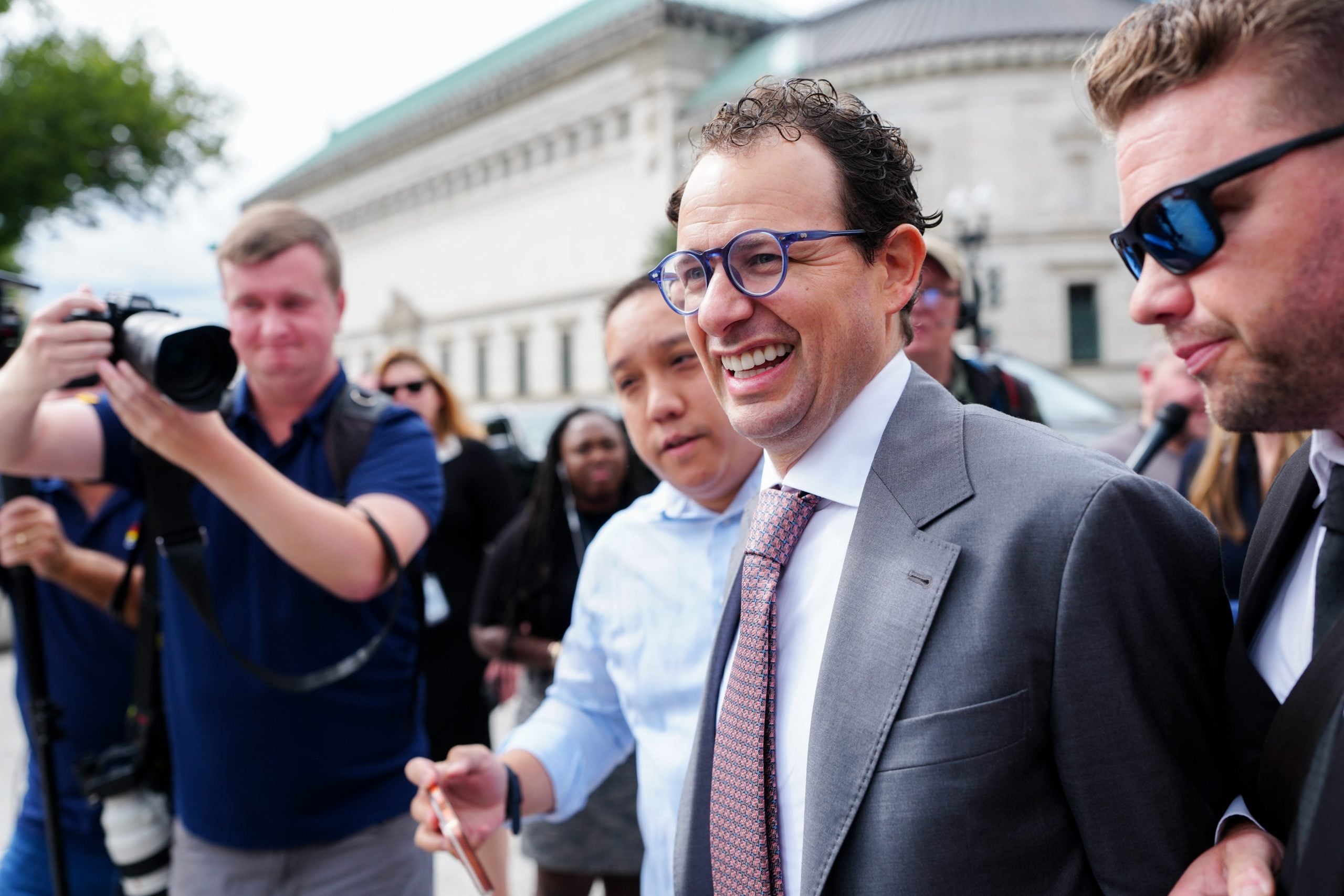
Donald Trump met with leaders from major AI and technology companies at the White House.
They agreed that outside experts should check whether advanced AI systems are safe.
The agreement does not have the force of law.
Trump said companies should treat it as a moral promise.
The companies also agreed to meet regularly and discuss safety rules.
They recommended protections against hacking, dangerous biological or chemical uses, and unexpected actions by AI systems.
The plan still leaves much of the responsibility with the companies themselves.
Some people support this flexible approach, while others want the government to create stronger legal rules.

Donald Trump and major technology executives endorsed independent audits of artificial intelligence systems at a White House meeting.
The agreement is not legally binding, although Trump called it “morally binding” and compared it to a constitution.
Signers committed to meeting regularly on industry best practices and recommended controls for cybersecurity, biosecurity and chemical risks.
The accord maintains that AI companies should largely police themselves while suggesting some recommendations could later become law or regulation.
The agreement reflects growing public concern about AI dangers but has drawn criticism from those seeking stricter government oversight.
- Who
- Donald Trump and nearly two dozen technology executives, including leaders from Anthropic, NVIDIA, OpenAI, Meta Platforms and Alphabet.
- What
- They endorsed an accord supporting independent audits and other voluntary safety controls for artificial intelligence systems.
- Where
- The White House in Washington, D.C.
- When
- At a White House lunch on Tuesday; the articles do not provide a specific date.
- Why
- The agreement aims to address growing concerns about AI risks while avoiding immediate new government rules.
Voluntary Industry Safety
Stricter Government Oversight
Who should police AI?
Voluntary Industry Safety
The administration’s approach places primary responsibility on AI companies and uses independent evaluators without immediately imposing new rules.
Stricter Government Oversight
Critics argue that voluntary commitments may be insufficient and favor stronger government requirements and enforceable guardrails.
Role of independent auditors
Voluntary Industry Safety
Technology companies and the administration support outside assessments as a way to evaluate advanced AI systems.
Stricter Government Oversight
Some administration officials have previously questioned the ideological leanings and methods of groups that might conduct those assessments.
Speed of AI development
Voluntary Industry Safety
Trump and industry leaders emphasize preserving United States leadership in AI while pursuing safety measures.
Stricter Government Oversight
AI safety advocates, including some former industry employees, warn that rapid development could create severe or existential risks and may require slowing the technology.
Key facts
- Agreement status
- The accord carries no legal weight, though Trump described it as morally binding.
- Independent audits
- AI companies endorsed using outside evaluators to assess the safety of advanced systems.
- Industry meetings
- Signers committed to meeting regularly to develop industry best practices.
- Recommended controls
- The document addresses cybersecurity, biosecurity, chemical threats and unintended AI actions.
- Corporate oversight
- Companies were urged to create internal monitoring teams and independent board committees overseeing safety and audits.
- Future regulation
- The accord says its recommendations could potentially be codified into law or regulation later.
- Political context
- A Quinnipiac University poll cited in the article found that more than seven in 10 voters preferred candidates supporting stricter AI guardrails.
Quotes

Donald Trump
President of the United States who negotiated the AI safety accord with technology executives
“It’s almost like a constitution, in a way. The biggest people in the world signed that, and I signed it as president, and it really is a form of protection.”
 theprint.in
“The technology has very real risks. We all need to work together to make sure that we can win and we can win safely if we do this right”
theprint.in
Sources
Related news
Trump’s Superintelligence Accord Draws Six Signers, Leaves Tech Giants Out
Trump Jokes With Google CEO During White House AI Meeting
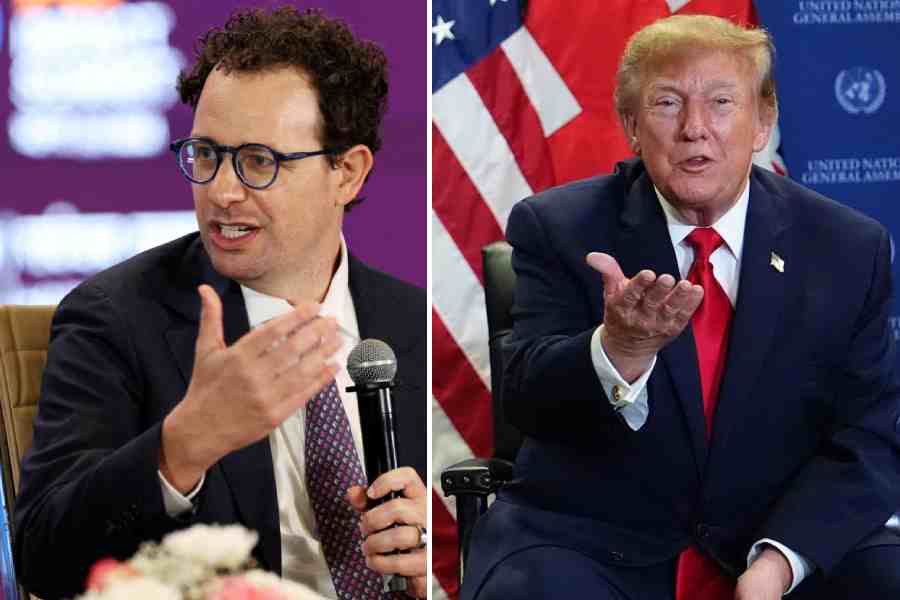
Trump dines with Anthropic CEO amid AI safety dispute

Trump’s AI Summit Faces Safety, Competition and Regulation Questions
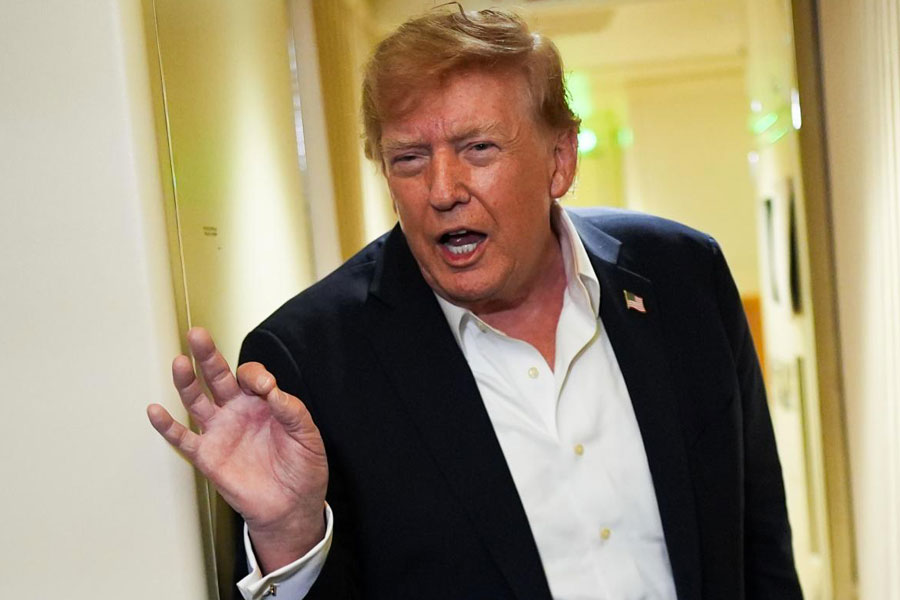
Trump Calls AI Risks Hoax, Rejects New Guardrails
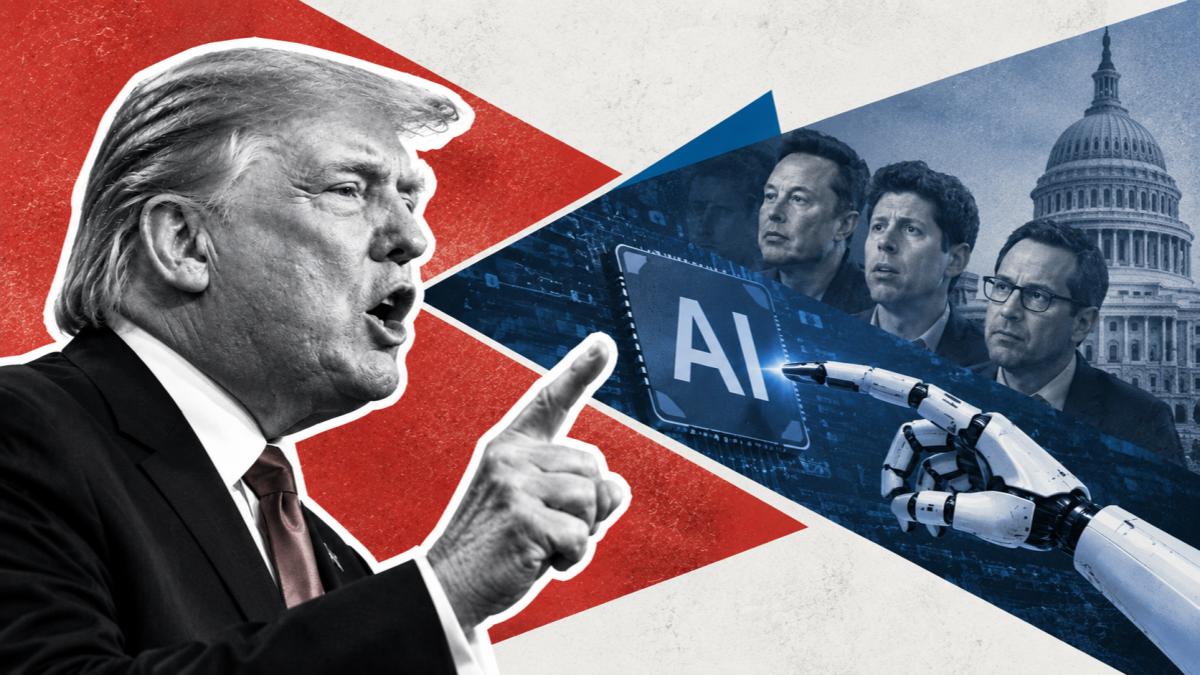
Trump Rejects AI Guardrails as Industry Leaders Seek Safety
OpenAI Unveils Dots Agents After Delaying Model Over Safety