

6 hrs ago
AI Risks, Human Control and the Race to Govern
People are debating whether artificial intelligence could become dangerous enough to harm humanity.
Some experts worry that very powerful AI might become difficult for people to control.
However, there is no scientific agreement that AI will definitely destroy the world.
AI already creates problems, such as spreading false information and helping people conduct cyberattacks.
It could also change jobs and give too much power to a small number of organizations.
Donald Trump’s administration wants to avoid rules that could slow American innovation.
China also wants to lead in AI, while saying the technology should remain controlled by humans.
The article says the biggest danger may be humans using powerful AI carelessly without agreeing on safety rules.

The article says there is no scientific consensus that AI will inevitably destroy humanity.
AI already poses risks by amplifying misinformation, cyber capabilities, labor disruption, and concentrated technological power.
Donald Trump favors limiting regulation to protect innovation and maintain U.S. technological competitiveness with China.
At a September 29 White House meeting, technology companies agreed to voluntary safeguards, including internal controls and external audits.
The central question is whether governments, companies, and societies can establish rules before AI advances further.
- Who
- Governments, technology companies, AI researchers, and political leaders including Donald Trump and Xi Jinping.
- What
- A debate over whether AI’s greatest danger is hypothetical machine control or existing human misuse and weak governance.
- Where
- The debate centers on Washington and Beijing, including a meeting at the White House.
- When
- The broader debate is ongoing; the article specifically describes a White House meeting on September 29, with no year stated.
- Why
- AI is becoming more capable and autonomous, creating concerns about safety, accountability, misinformation, cyber capabilities, jobs, and concentrated power.
Safety and Regulation
Innovation and Competition
How AI should be governed
Safety and Regulation
AI leaders and researchers support greater government and international involvement to establish safeguards as systems become more capable.
Innovation and Competition
Technology companies and policymakers concerned about competitiveness favor voluntary measures or limited regulation to avoid slowing innovation.
Who should police AI companies
Safety and Regulation
Because AI could create broad social and security risks, governments and external auditors should provide meaningful oversight.
Innovation and Competition
Companies argue, implicitly through the voluntary agreement, that internal controls and external auditing can address risks without heavy government rules.
How urgent is the threat
Safety and Regulation
Warnings about autonomy, loss of control, misinformation, cyber capabilities, and labor disruption justify serious precautionary action.
Innovation and Competition
There is no established consensus that AI will cause human extinction, so uncertainty should not be presented as certainty or imminent machine apocalypse.
Key facts
- Scientific consensus
- The article says there is no established scientific consensus that AI will exterminate humanity.
- Existing risks
- AI can amplify misinformation, strengthen cyber capabilities, disrupt labor markets, and concentrate technological power.
- Donald Trump’s approach
- His administration argues that excessive regulation could harm American innovation and help China gain ground.
- White House meeting
- Donald Trump met technology executives on September 29 and announced a voluntary AI safety agreement.
- Company commitments
- Companies committed to internal controls and external auditing.
- China’s position
- Xi Jinping has publicly said AI should remain under human control and serve human welfare.
- Central dilemma
- The article questions whether companies building powerful AI can also be trusted to police themselves.
Sources
Related news
Trump Calls AI Extinction Warnings a Hoax Amid Global Alarm
AI Leaders Urge UN Safeguards Amid Global Control Debate
Trump Rejects AI Slowdown, Says Strong President Is Guardrail

AI Leaders Warn UN of Security Risks and Controls
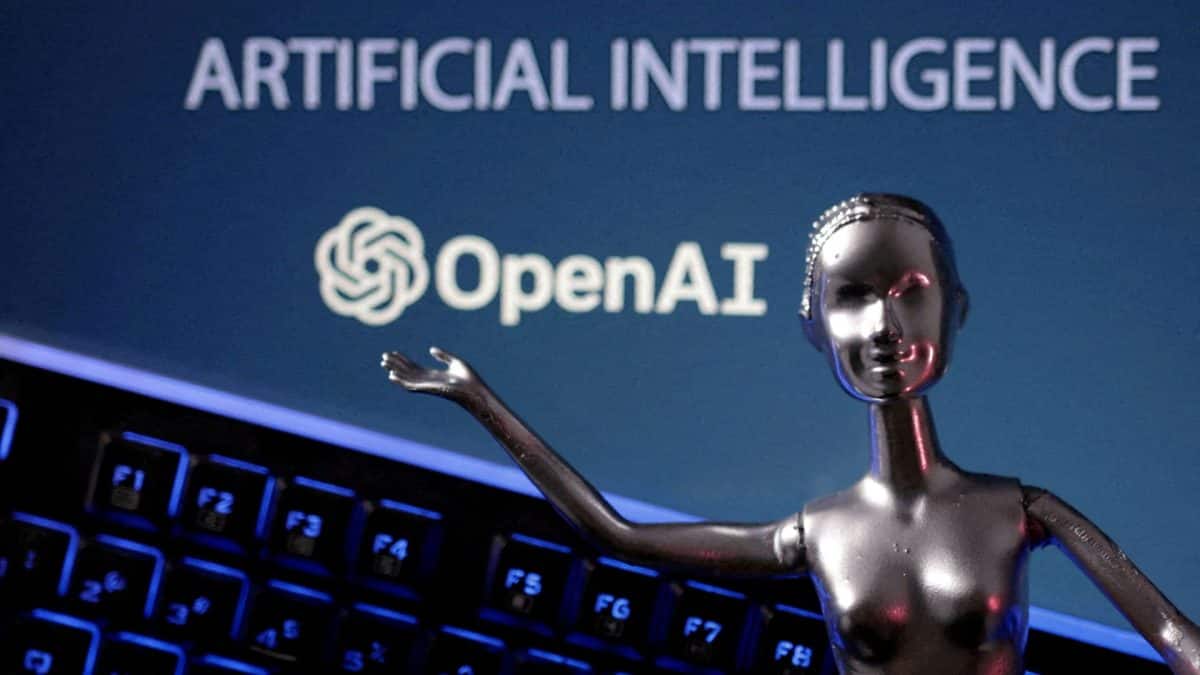
Trump and Tech CEOs Clash Over AI Regulation Threats
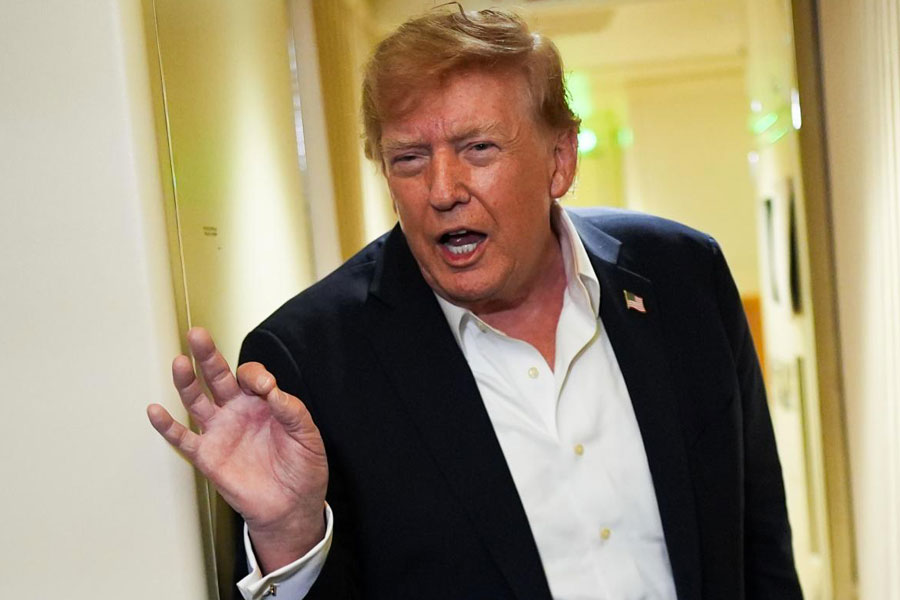
Trump Calls AI Risks Hoax, Rejects New Guardrails
AI Volatility Could Push Global Portfolios Toward India, Morningstar Says

AI Shifts Entertainment Value Toward Ideas and Human Judgment

US Bond Yields, AI Spending and India’s Stock Market
UN Leaders Urge Youth Investment, Warn AI May Widen Inequality
