1 week ago
Trump Announces Economic D-Day Against Iran as Araghchi Responds
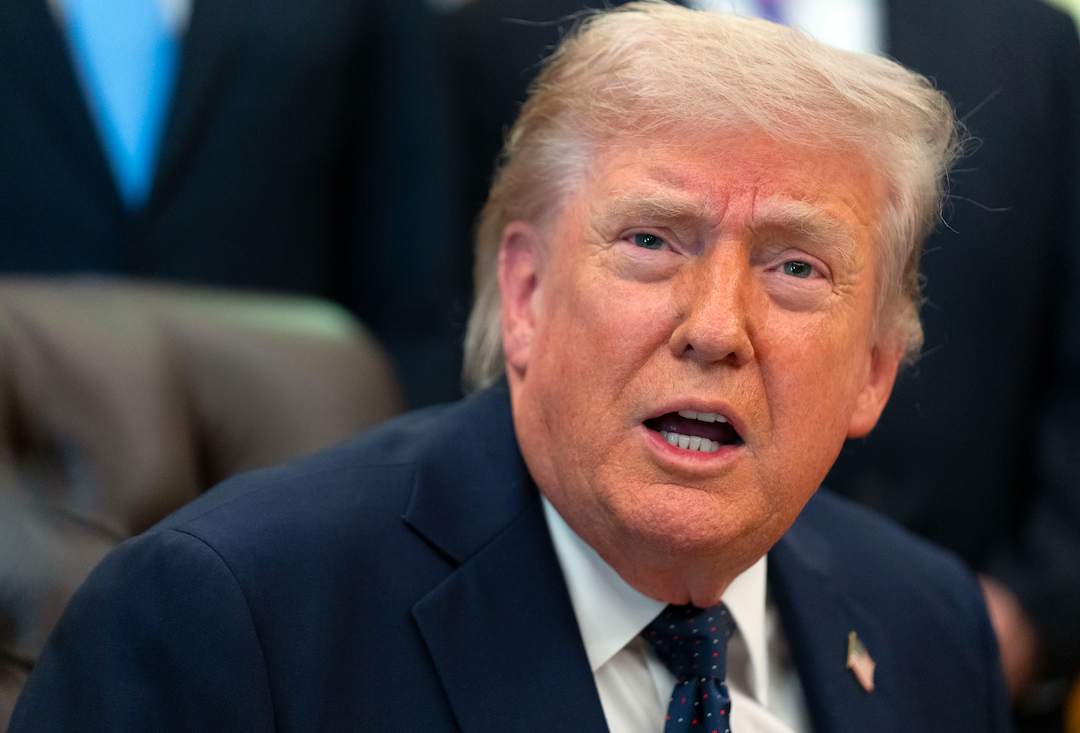
Donald Trump announced a new and very strong economic pressure campaign against Iran.
He called it “Economic D-Day” and asked U.S. allies to join it.
The campaign would target oil sales, money transfers, companies, and shipping activities linked to Iran.
Trump said Iran had missed an opportunity to make a deal with the United States.
He also said Iran must never get a nuclear weapon.
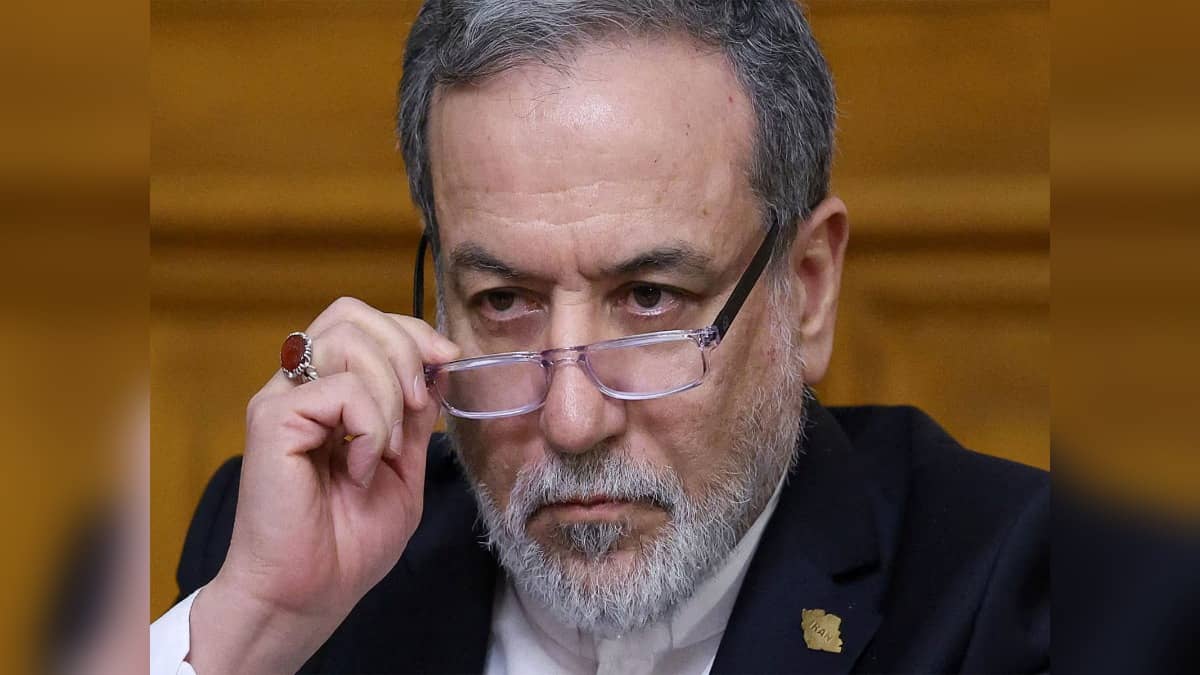
Iranian Foreign Minister Seyed Abbas Araghchi rejected Trump’s claims.
Araghchi said the U.S. campaign was meant to distract people from America’s growing debt and interest costs.
The two governments therefore describe the same action in very different ways.

Donald Trump announced what he called an “Economic D-Day” against Iran, describing it as an unprecedented campaign of economic warfare and isolation.
The proposed measures would target Iran’s oil-smuggling networks, financial transfers, exchange houses, ship registries, and front companies.
Iranian Foreign Minister Seyed Abbas Araghchi said the campaign distracts from the United States’ debt and rising interest costs.
Trump urged U.S. allies to help isolate Iran and said Tehran had failed to take an opportunity to reach a deal with Washington.
Trump said Iran would not be allowed to acquire nuclear weapons and indicated that further “very draconian sanctions” remained available.
- Who
- U.S. President Donald Trump and Iranian Foreign Minister Seyed Abbas Araghchi.
- What
- Trump announced an “Economic D-Day” campaign of intensified economic pressure and isolation against Iran, while Araghchi criticized it.
- Where
- The statements were issued from Washington and Tehran through Truth Social and X.
- When
- Trump made the announcement on Wednesday local time; Araghchi responded on Thursday.
- Why
- Trump said the measures were intended to pressure and isolate Iran, address its alleged nuclear threat, and respond to its failure to reach a deal; Araghchi said they diverted attention from the United States’ economic problems.
Iranian Position
U.S. Position
Purpose of the campaign
Iranian Position
Araghchi said the so-called “Economic D-Day” diverts attention from the United States’ unprecedented debt and surging interest costs.
U.S. Position
Trump presented the campaign as necessary economic warfare to isolate and defeat what he called the Iran threat.
Effect of sanctions
Iranian Position
Araghchi argued that doubling down on failed policies would bring further defeat and hostility from Iranians, while threatening the global economy and national sovereignty.
U.S. Position
Trump said the United States had very severe sanctions available and that the measures would target Iran’s economic lifelines.
Diplomatic opportunity
Iranian Position
Araghchi rejected Trump’s framing of the pressure campaign in his public response.
U.S. Position
Trump said Iran had failed to accept the greatest opportunity it had been given to make a deal with Washington.
Key facts
- Announced campaign
- Donald Trump called the measures an “Economic D-Day” and the most crushing economic operation ever taken against any country.
- Targets
- The proposed measures include oil-smuggling networks, financial transfers, exchange houses, ship registries, and front companies.
- Iranian response
- Seyed Abbas Araghchi described the campaign as U.S. “economic terrorism” and a diversion from America’s debt and rising interest costs.
- U.S. federal debt
- Reports shared by Araghchi said U.S. federal debt reached USD 40 trillion.
- Recent debt increase
- CNN, citing U.S. Treasury Department data, reported that U.S. debt rose by USD 1 trillion in five months.
- Federal deficit
- The U.S. government had accumulated a USD 1.8 trillion deficit during the first 10 months of the current fiscal year.
- Strait of Hormuz
- Trump said the Strait of Hormuz remained open and described a naval blockade as extremely effective.
Quotes
Seyed Abbas Araghchi
Iranian Foreign Minister
“"The so-called 'Economic D-Day' is a diversion from America's own crisis: unprecedented debt & surging interest costs."”
 republicworld.com
“"We have things that we could sanction. We have very draconian sanctions, and we'll see what happens."”
republicworld.com
Sources
Related news
Iran Rejects Trump’s Economic Warfare Sanctions as Counterproductive
US Debt Tops $40 Trillion as Iran Tensions Escalate

Iran Condemns Trump’s Economic Operation as Global Threat

Iran Calls US Sanctions Threat Economic War and Failure
US Announces Economic D-Day as Iran Threatens Oil Export Halt
Iran Rejects Trump’s Economic Warfare as IRGC Threatens Escalation
US-Iran Strikes Escalate as Tehran Warns of New Strategy
Trump Warns of Fresh Iran Strike After Heavy Attack

Trump Says US Could Attack Iran Again at Will

U.S. Treasury Yields Ease as Jobs Data Misses Expectations
Iran Seizes Fuel-Smuggling Vessel in Gulf, Arrests 11 Crew