1 day ago
Colleges Sue DHS Over New ICE CPT Guidance
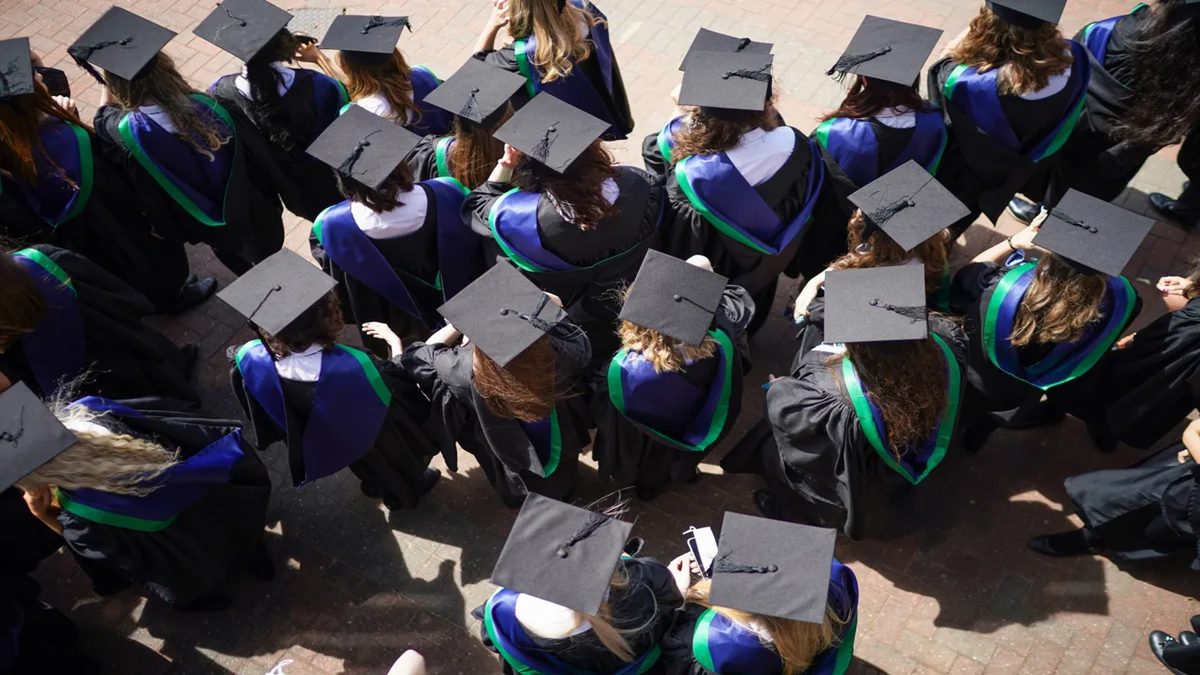
Curricular Practical Training, or CPT, lets some international students do work-based training connected to their studies.
Immigration officials sent universities new messages about how students qualify for CPT.
Four higher education groups say the messages could make schools afraid to approve internships.
Some universities, including parts of Harvard, have paused CPT approvals.
The groups say the government changed the rules without the usual public process.
They also say the new interpretation could affect students whose placements were already planned.
Employers and research organizations could lose access to students’ skills, the groups argue.
The groups have asked a court to stop the guidance while the lawsuit proceeds.

Four higher education groups sued the US government over ICE guidance interpreting eligibility for Curricular Practical Training (CPT).
The groups say the August 12 and August 24 messages could disrupt internships and create uncertainty for schools and employers.
They argue the interpretation departs from more than 35 years of precedent and was issued without formal rulemaking.
Harvard and several other universities have paused or stopped authorising CPT after the messages.
The plaintiffs are asking a court to block the guidance, restore the earlier framework and protect schools and students from penalties tied to past authorisations.
- Who
- The Association of American Universities, Presidents’ Alliance on Higher Education and Immigration, NAFSA: Association of International Educators, and the Association of Independent Colleges and Universities in Massachusetts sued the US government.
- What
- They are challenging ICE guidance on eligibility for Curricular Practical Training.
- Where
- The lawsuit is against the US government; the article does not identify the court.
- When
- The Student and Exchange Visitor Program issued messages on August 12 and August 24; the article does not specify when the lawsuit was filed.
- Why
- The groups say the guidance could restrict practical training, create uncertainty, and was introduced without the required formal rulemaking process.
Higher education groups
Government agencies
Whether the guidance changes existing rules
Higher education groups
The plaintiffs say the interpretation departs from more than 35 years of precedent and effectively introduces new rules without formal rulemaking or public comment.
Government agencies
SEVP officials presented the messages as a reminder of existing policy.
Consequences for CPT approvals
Higher education groups
The groups say warnings of certification loss and possible consequences for school officials could deter universities from approving CPT, disrupting student placements and employers’ access to talent.
Government agencies
The messages warn that schools could lose SEVP certification for improperly authorizing CPT and that officials could face administrative or legal consequences; the article provides no further government response to the lawsuit.
Key facts
- Training program
- CPT allows F-1 visa students to take part in internships and other work-based training connected to their academic programs.
- Guidance dates
- SEVP issued broadcast messages on August 12 and August 24.
- Plaintiffs
- Four higher education organizations filed the lawsuit.
- Universities pausing CPT
- Harvard, Massachusetts Institute of Technology, University of Pennsylvania, and Wellesley College are among the institutions reported to have paused or stopped CPT approvals.
- Harvard schools named
- Harvard College, Harvard Law School, Harvard Medical School, the Graduate School of Design, and the Graduate School of Arts and Sciences no longer authorize CPT.
- Relief requested
- The plaintiffs seek to block the new interpretation, restore the earlier framework, and protect schools and students from penalties tied to prior authorizations.
- Case status
- The lawsuit is in its early stages, with further filings and rulings expected.
Sources
Related news
New US CPT Rules Narrow International Students’ Internship Options

Judge Blocks Trump Visa Limits for Foreign Students, Journalists

Judge Blocks Trump Administration Visa Restrictions for Foreign Visitors
Federal Court Blocks US Student Visa Duration Rule

Judge Blocks Trump Four-Year Student Visa Rule

Trump Administration Tightens US Visa Rules for Indians
US proposes $70,000 fee for foreign students' temporary work

DHS Proposes $70,000 Fee for Students Seeking OPT

Proposed $70,000 OPT Fee Could Reshape U.S. Graduate Work Path

US Proposes $70,000 Fee for First-Time OPT Participation