1 day ago
Judge Blocks Trump Four-Year Student Visa Rule

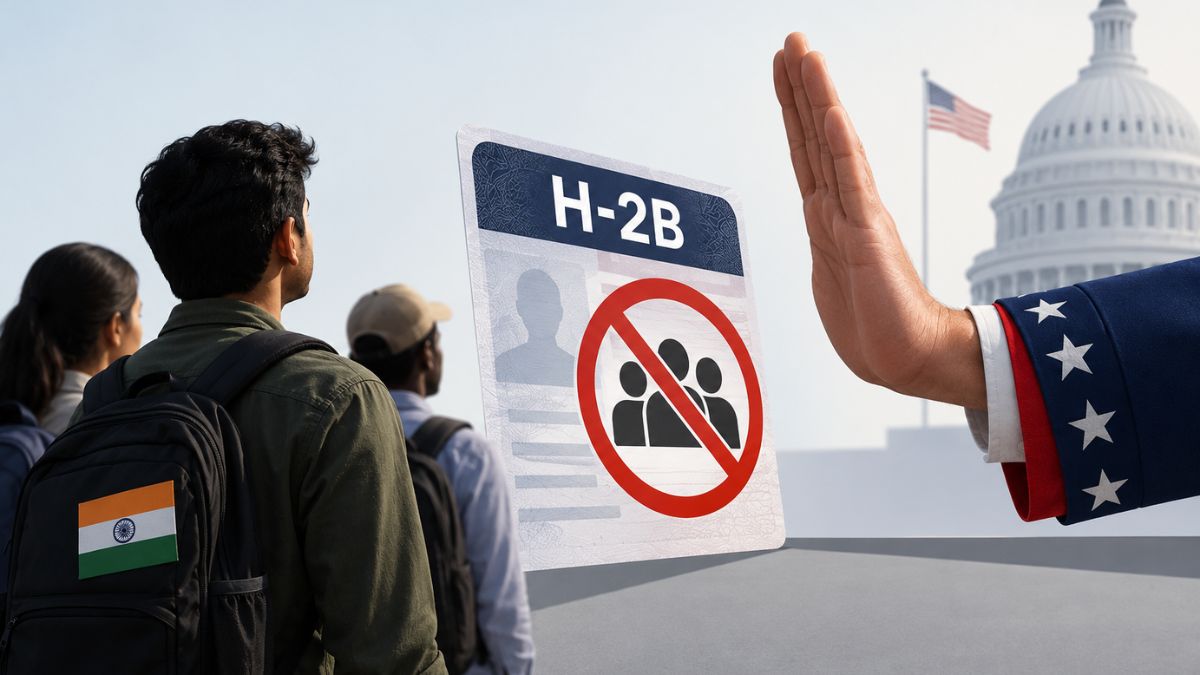
A US judge stopped a new rule about how long many foreign students could stay.
The rule would usually have given F-1 students and J-1 exchange visitors a maximum of four years.
Students needing more time would have had to request an extension from the government.
The rule also proposed a shorter grace period and more limits on changing schools or programs.
For now, students can use the older duration-of-status system.
This means they can generally stay while keeping valid status and continuing their approved studies.
This is especially helpful for Indian students in long PhD and research programs.
The judge said the government did not explain the change well enough and that it could seriously hurt universities.
The government may appeal, so the decision could change later.

Judge F. Dennis Saylor blocked a DHS rule that would have replaced duration of status with fixed-term admissions for international students.
The proposed rule would generally have limited F-1 students and J-1 exchange visitors to four years.
Indian students in longer doctoral and research programs can continue under the existing system while the legal challenge proceeds.
The rule would also have shortened the post-study grace period to 30 days and added restrictions on transfers, major changes, and new programs.
Saylor said DHS used exceptionally weak justifications and failed to adequately assess the rule’s potential harm to universities and the US economy.
- Who
- US District Judge F. Dennis Saylor, the Department of Homeland Security, international students, exchange visitors, and affected foreign journalists.
- What
- A federal judge blocked a proposed rule that would generally impose a four-year limit on F-1 students and J-1 exchange visitors.
- Where
- In federal court in Boston, Massachusetts.
- When
- The ruling was issued on Monday, September 14, 2026, one day before the rule was scheduled to take effect on September 15.
- Why
- Saylor found that DHS relied on weak justifications and did not adequately consider the rule’s consequences under the Administrative Procedure Act.
Judge and plaintiffs’ concerns
DHS and administration rationale
Reason for changing the visa system
Judge and plaintiffs’ concerns
Judge Saylor found that DHS relied on “exceptionally weak” rationales and failed to properly evaluate the consequences of ending duration of status.
DHS and administration rationale
DHS argued that fixed-term admissions would help combat fraud, identify visa overstays, and strengthen national security and border control.
Impact on universities
Judge and plaintiffs’ concerns
Saylor warned that the rule could reduce international enrollment, impose hundreds of millions of dollars in costs on some institutions, and cause potentially catastrophic damage to higher education and the economy.
DHS and administration rationale
The administration sought tighter immigration controls, although the articles do not report a detailed DHS response to the judge’s estimates of economic harm.
What happens next
Judge and plaintiffs’ concerns
The injunction keeps the current system in place and prevents students from immediately facing the four-year cap or new extension requirements.
DHS and administration rationale
The Trump administration can appeal the ruling or pursue a revised policy, so the four-year restriction remains unsettled.
Key facts
- Current status
- The four-year rule is blocked while the legal challenge continues.
- Existing system
- The duration-of-status framework remains in place for now.
- Proposed student limit
- Most F-1 students and J-1 exchange visitors would generally have been limited to four years.
- Indian enrollment
- The Open Doors 2025 report cited in the case material counted 363,019 Indian students at US colleges and universities in 2024-25.
- F and J visas
- About 1.6 million people hold F visas and about 500,000 hold J visas, according to the article.
- Journalist limit
- Most foreign journalists holding I visas would have faced a 240-day admission limit; Chinese media representatives would have faced 90 days.
- Grace period
- The proposed rule would have reduced the post-study grace period from 60 days to 30 days.
Quotes

F. Dennis Saylor IV
Massachusetts District Judge who issued the preliminary injunction
“The damage to the higher education system and to the economy of the United States is likely to be catastrophic”
 livemint.com
Sources

Related news
Judge Blocks Trump Visa Limits for Foreign Students, Journalists
Judge Blocks Trump Administration Visa Restrictions for Foreign Visitors

Lawsuit Challenges Trump Visa Limits for Students and Journalists
US Universities Urge Indian Students to Return Before September 15

Harvard Advises International Students Ahead of US Visa Changes
US Universities Issue Travel Advisories Before September 15 Visa Rule
Vance Calls for “Actual Geniuses” in H-1B Program
States Challenge Trump’s Expanded Green Card Public Charge Rule
Mamdani Challenges Trump Administration Over Immigration Public Charge Rule
US Court Restores H-4 Work Extensions for Seven Spouses