3 hrs ago
US, China Plan AI Dialogue Ahead of Trump-Xi Meeting
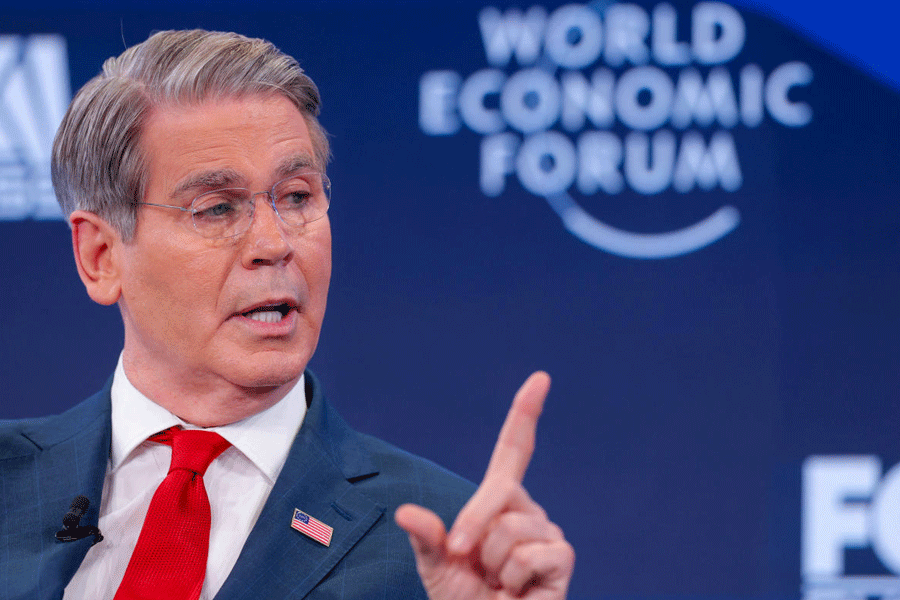
The United States and China are preparing for a meeting between Donald Trump and Xi Jinping.
Before the meeting, officials discussed trade, tariffs and artificial intelligence.
They agreed to create a way to warn each other about AI problems that might threaten national security.
They also want to keep talking about lowering some tariffs.
A Board of Trade discussed earlier by Trump and Xi may soon begin operating.
The two countries are still competing over AI and other economic issues.
The United States is also considering tariffs on countries that buy Russian energy.
China says countries should be allowed to trade normally without punishment from other countries.
Trump and Xi are expected to discuss all of these issues when they meet.

The United States and China agreed to pursue dialogue on artificial-intelligence risks and continue trade and investment talks.
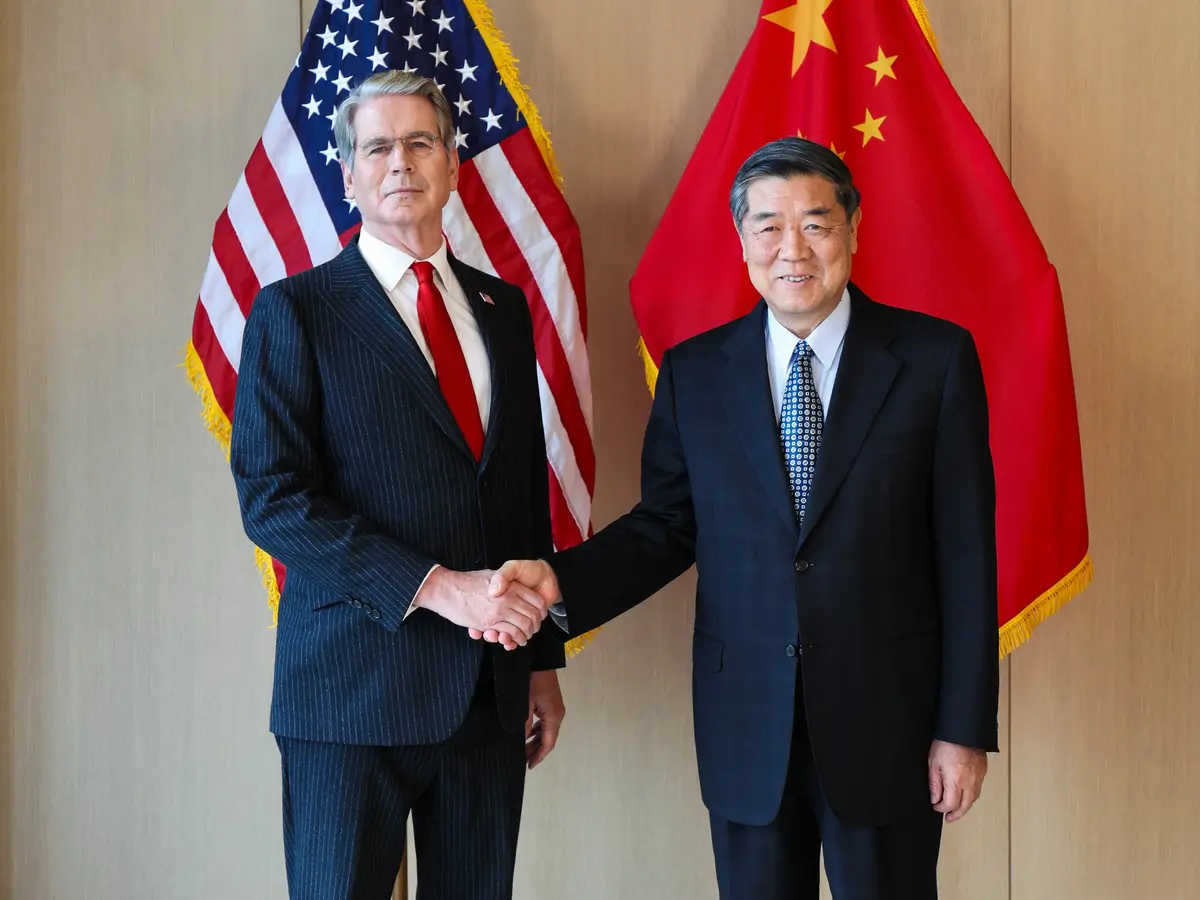
Scott Bessent, Jamieson Greer and He Lifeng discussed AI, tariffs and economic issues in New York.
The countries plan to operationalize a Board of Trade and are considering reciprocal tariff reductions on about $30 billion in goods each.
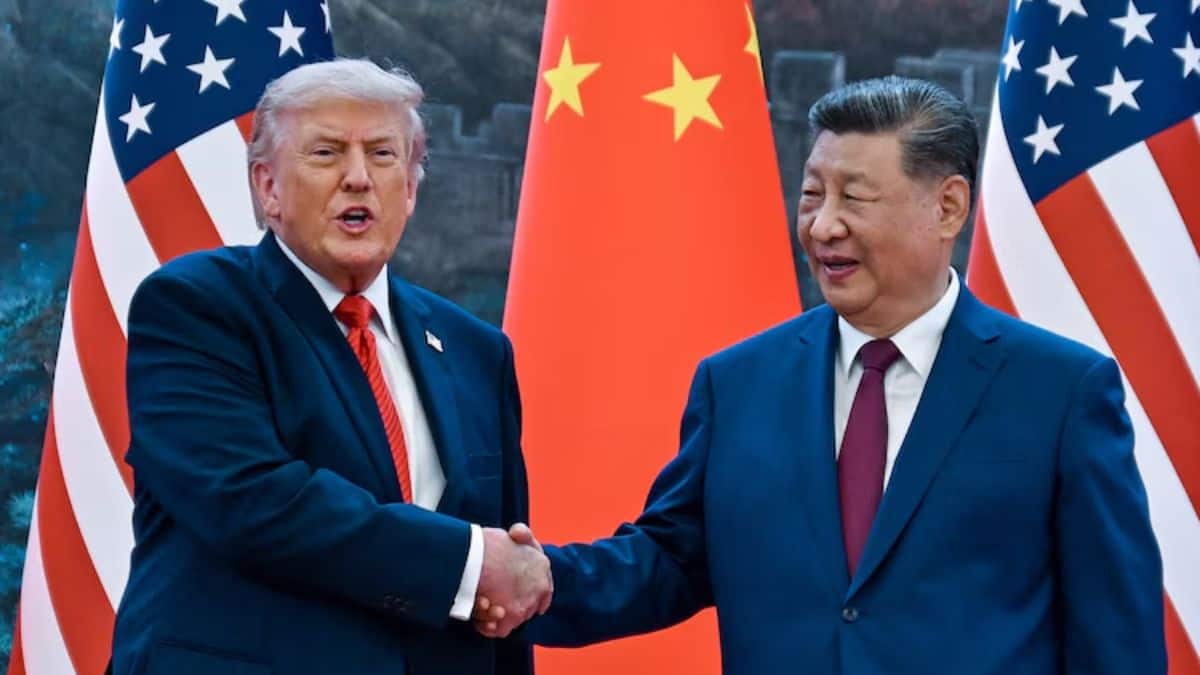
Donald Trump and Xi Jinping are expected to discuss trade, AI and economic cooperation at their Thursday meeting in Washington.
Beijing opposed possible US tariffs on countries buying Russian energy, calling such measures unilateral and lacking international-law justification.
- Who
- US President Donald Trump and Chinese President Xi Jinping, along with senior officials from both countries.
- What
- The United States and China agreed to pursue an AI-risk dialogue and continue trade and investment negotiations before a Trump-Xi meeting.
- Where
- The preparatory talks were held in New York, and the leaders are expected to meet in Washington.
- When
- The preparatory talks took place on Sunday, with the Trump-Xi meeting planned for Thursday; the article does not specify the dates.
- Why
- The discussions aim to improve communication on AI risks, advance trade arrangements and address broader economic tensions.
United States position
China position
Sanctions and Russian energy
United States position
The United States has authorized a new pressure campaign that could impose tariffs of up to 100 percent on major buyers of Russian oil and gas, including China and India.
China position
China rejects measures against countries trading with Russia and opposes unilateral sanctions and what it calls long-arm jurisdiction without an international-law basis or UN Security Council mandate.
Trade negotiations
United States position
US officials say they are still discussing tariff reductions on non-sensitive goods and broader trade and investment issues.
China position
China says consultations should reach an agreement on reciprocal tariff reductions at the earliest possible date.
Artificial-intelligence risks
United States position
The United States proposed a mechanism for notifying China about AI incidents that could threaten national security, while Trump also announced plans for an AI Force and an AI czar.
China position
China agreed to continue discussions on important economic and trade issues, while the article does not specify a separate Chinese proposal on AI-risk notifications.
Key facts
- Main agreement
- The US and China will pursue a dialogue on artificial-intelligence risks.
- AI proposal
- The US proposed notifying each other about AI incidents that could pose national-security risks.
- Trade mechanism
- The countries agreed to operationalize a Board of Trade previously discussed by Trump and Xi.
- Tariff talks
- Officials are discussing reductions on non-sensitive goods, including consumer and agricultural products, energy and medical devices.
- Proposed tariff coverage
- A reciprocal tariff-reduction arrangement could cover about $30 billion in goods from each side.
- Upcoming meeting
- Trump and Xi are expected to discuss trade, AI and economic cooperation on Thursday.
- Russia-related pressure
- A US law gives the administration authority to impose tariffs of up to 100 percent on major buyers of Russian energy.
Sources
Related news

US Proposes AI Incident Notification Mechanism Ahead of Trump-Xi Talks
Bessent and He Lifeng Prepare Trade Agenda Before Trump-Xi Summit
US, China Begin Trade and AI Talks Before Trump-Xi Summit

Xi Jinping to Visit US for Summit Talks with Trump

US and China Seek AI Safety Cooperation Amid Rivalry
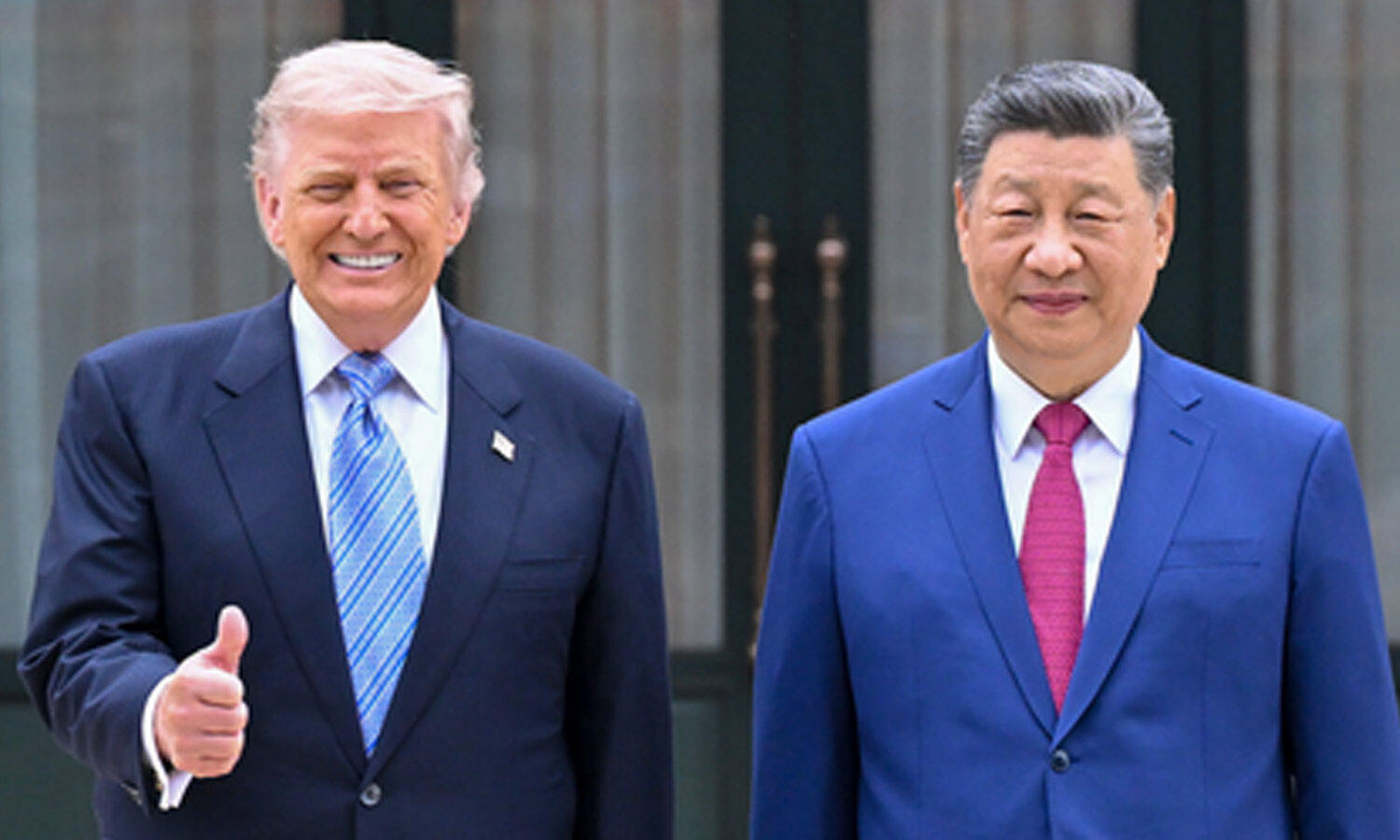
Trump-Xi Talks Expected to Address AI Guardrails
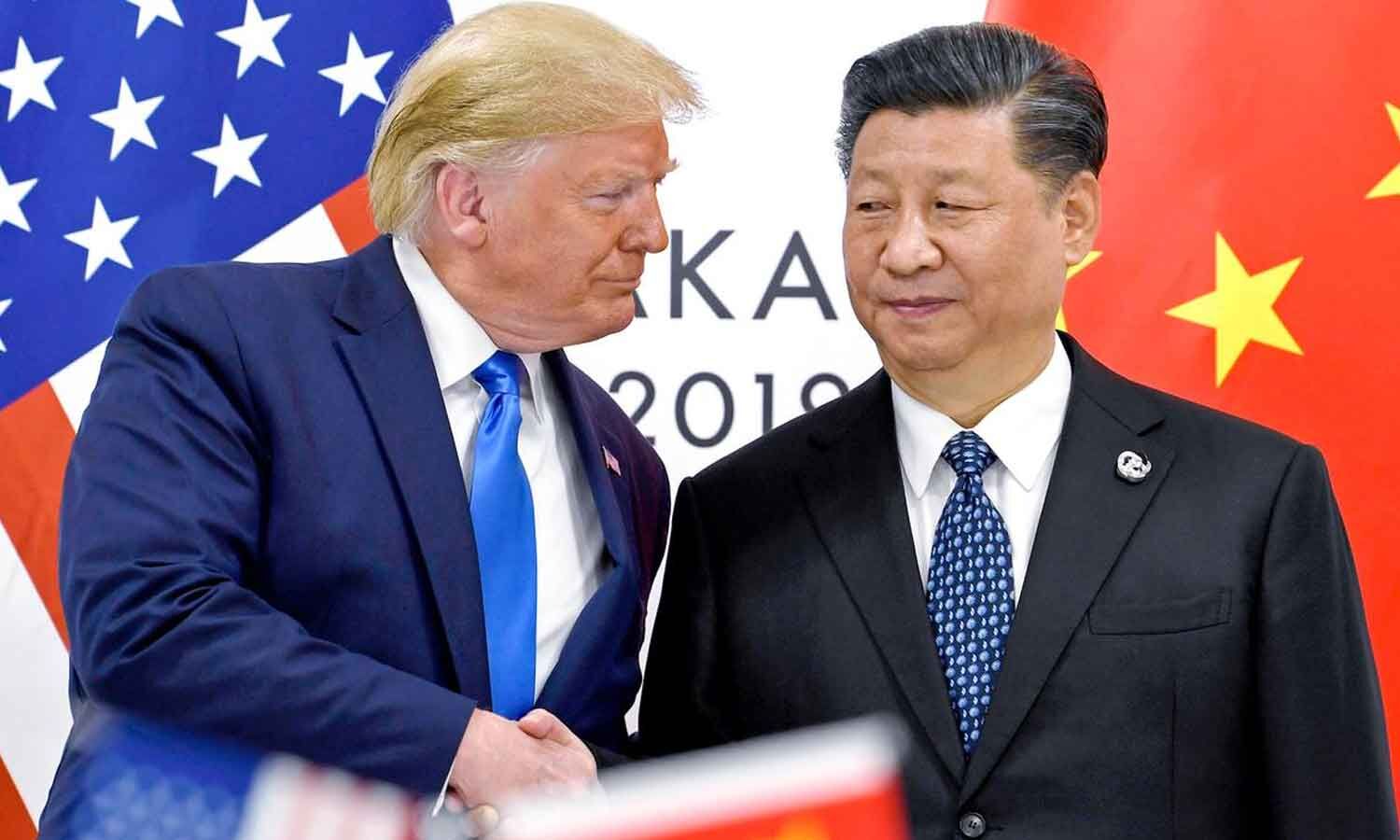
China Slams Proposed US Tariffs Targeting Russian Oil Buyers
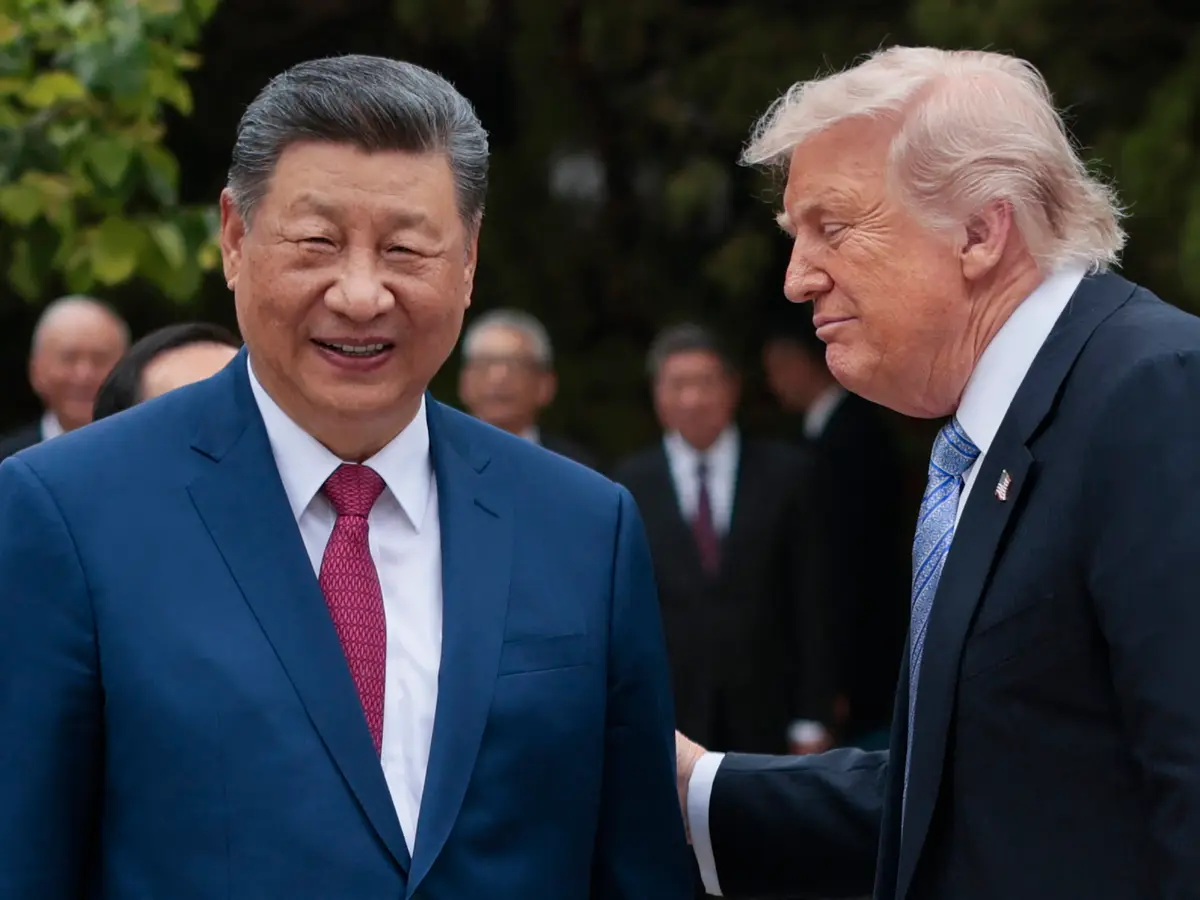
Trump Plans Rare Airport Welcome for Xi Amid Rising Tensions
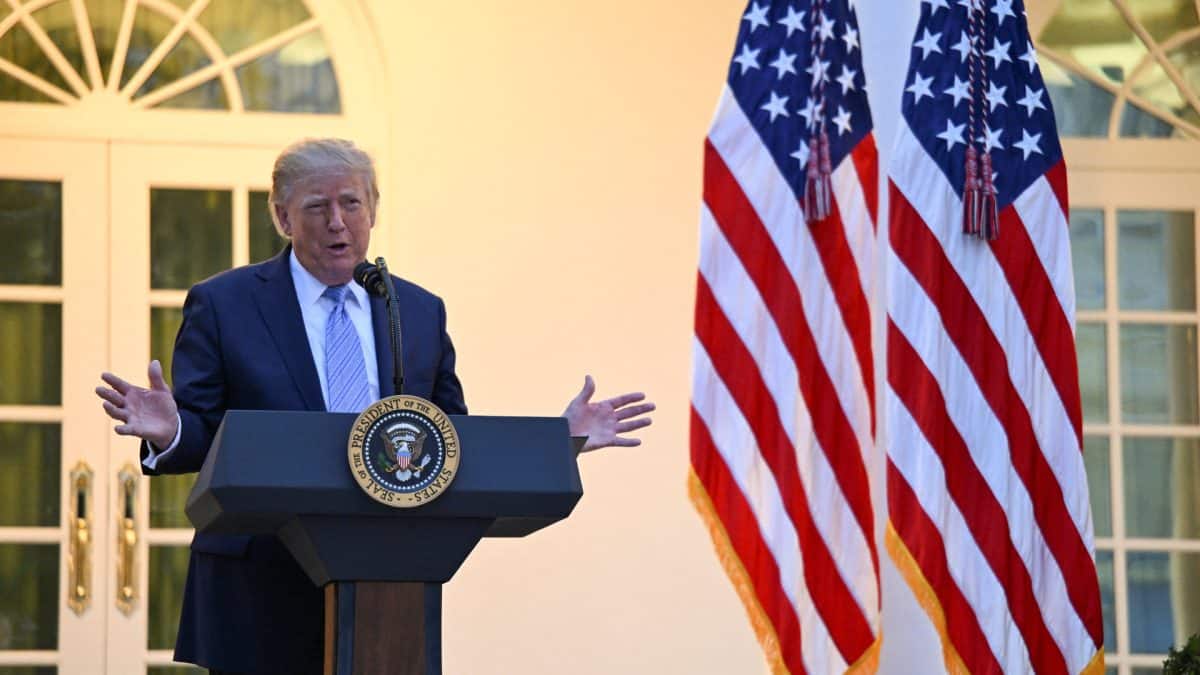
India, China and Russia Resist US Russia Sanctions Bill
China Warns U.S. Orbital Weapons Could Fuel Arms Race