

1 hr ago
United States Admits Deploying Weapons in Space, Sparking Legal Debate
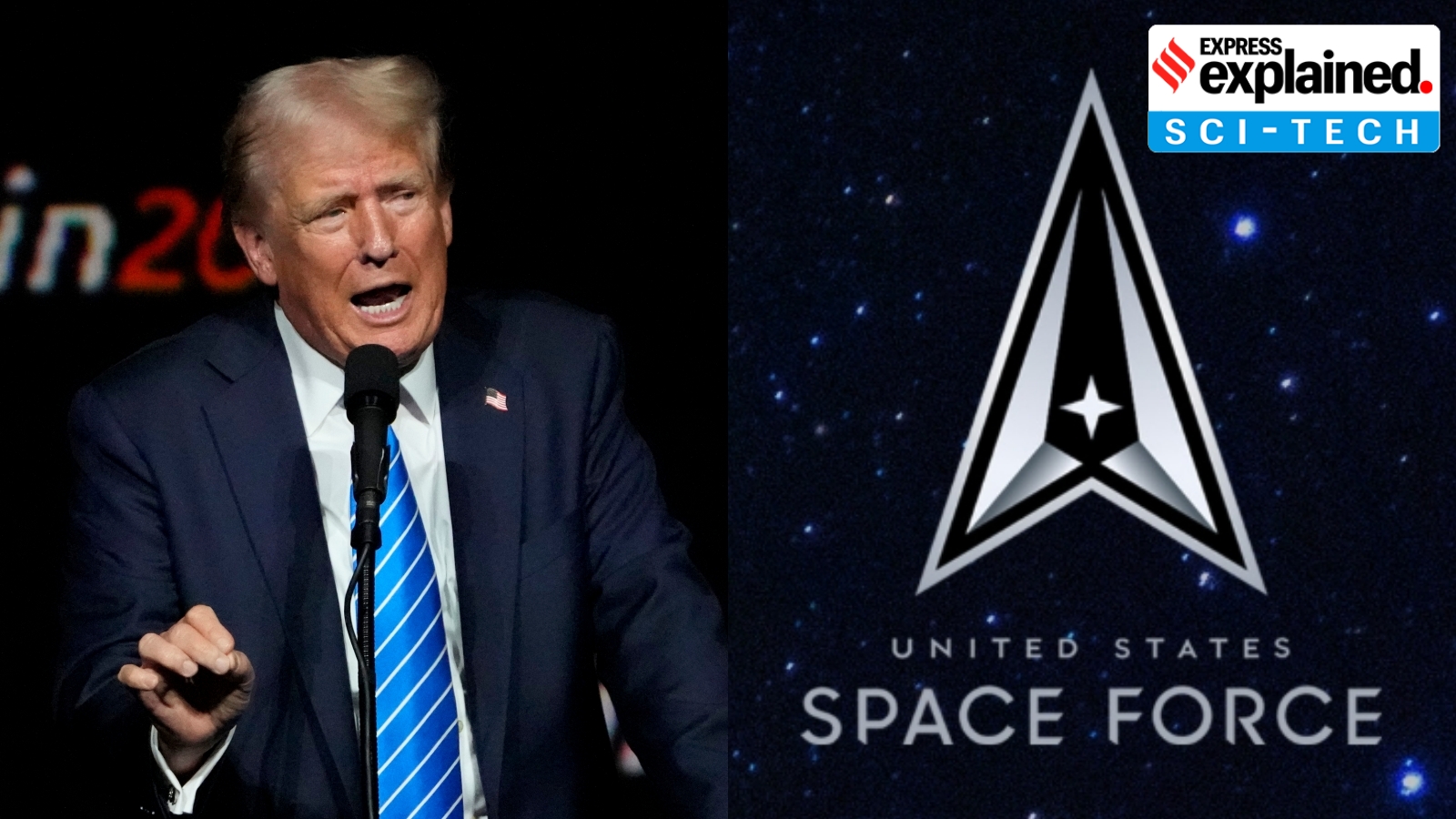
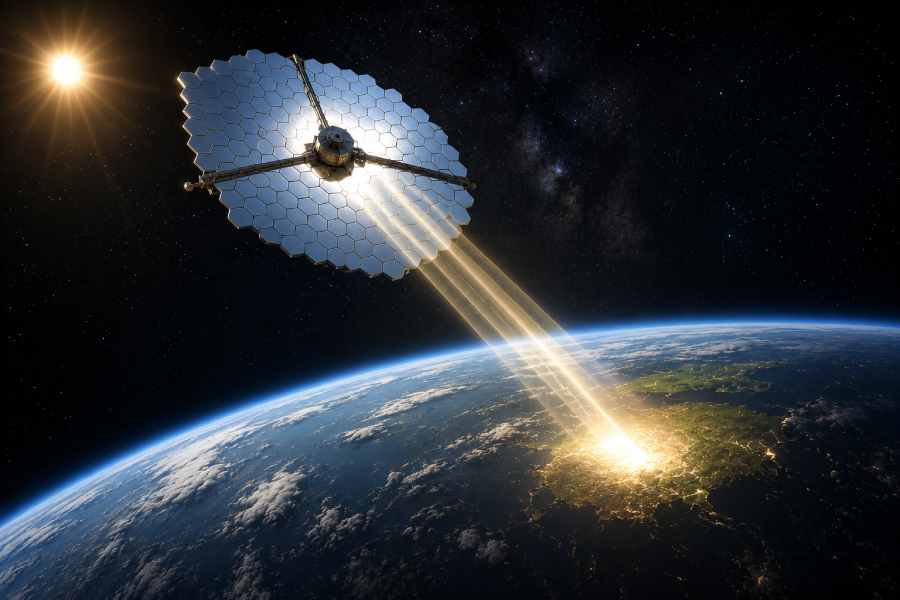
The United States has publicly said it keeps some weapons in space.
It did not explain exactly what these weapons are.
The weapons might defend satellites, disrupt communications, or attack other space systems.
China and Russia criticized the announcement and called for space to remain free of weapons.
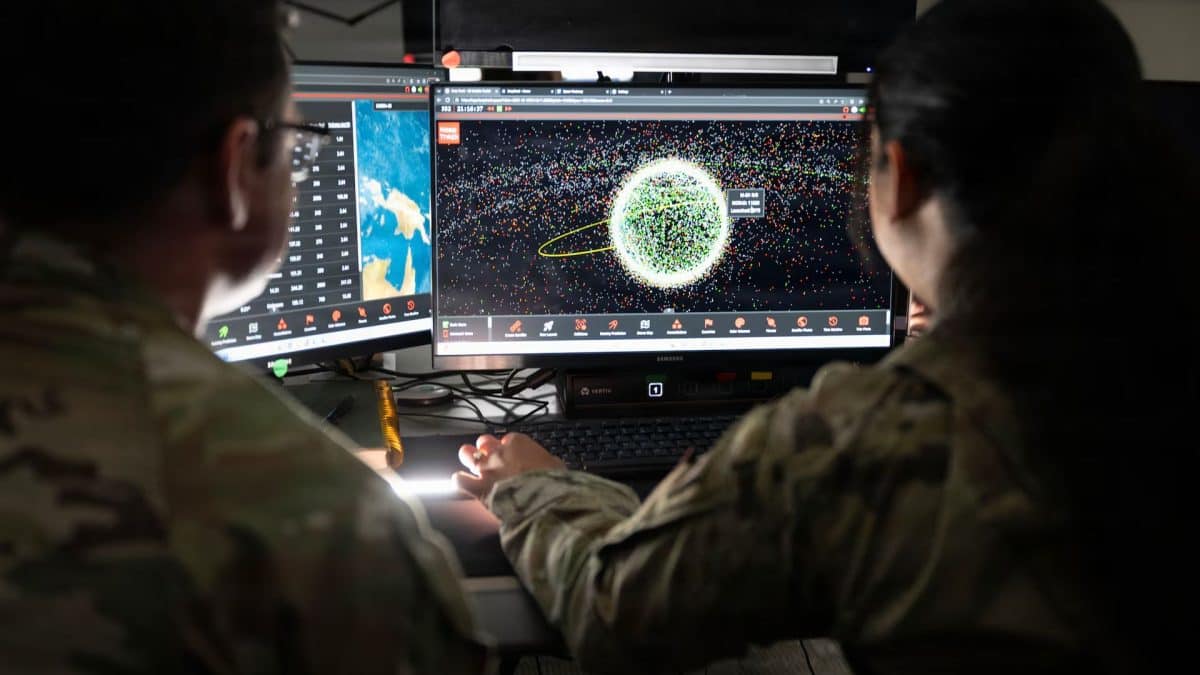
The United States says China and Russia are also developing tools that could threaten satellites and military systems.
Four countries have tested missiles that destroyed their own old satellites.
An international treaty bans nuclear weapons and other weapons of mass destruction in space.
However, the treaty does not clearly ban ordinary weapons or attacks launched from Earth.
Countries have discussed new rules, but no broad agreement has been reached.

The United States acknowledged having active weapons deployed in orbit, without describing them or saying when they were deployed.
Air Force Secretary Troy Meink said the weapons could defend US forces against hostile action.
China and Russia urged the United States to stop expanding military capabilities and preserve space for peaceful use.
Space weapons can include anti-satellite missiles, space-based weapons, jamming, cyberattacks, and other non-kinetic capabilities.
The 1967 Outer Space Treaty bans nuclear weapons and other weapons of mass destruction in space but does not clearly prohibit conventional weapons.
- Who
- The United States, with reactions from China and Russia.
- What
- The United States publicly acknowledged deploying active weapons in orbit.
- Where
- In outer space; the announcement was made at a conference in Maryland.
- When
- The announcement was made on Tuesday, September 15; the year is not specified in the article.
- Why
- The United States said the weapons are intended to defend its forces against hostile actions and evolving threats.
United States Security Position
China and Russia's Demilitarization Position
Purpose of space weapons
United States Security Position
The United States says its on-orbit weapons can defend joint forces against hostile adversary action and evolving threats.
China and Russia's Demilitarization Position
China and Russia argue that expanding military capabilities in space risks preparing for war and undermines the goal of keeping space weapon-free.
Who is developing threats
United States Security Position
The United States says China and Russia are testing and fielding counterspace capabilities intended to disrupt or degrade US space-enabled capabilities.
China and Russia's Demilitarization Position
China and Russia reject the expansion of US military capabilities and call for continued international work toward demilitarization.
Need for new rules
United States Security Position
Existing international law does not explicitly prohibit conventional weapons in space, and proposed agreements have not gained broad support.
China and Russia's Demilitarization Position
China and Russia have supported efforts to ban the placement of weapons in outer space, though their proposal did not cover Earth-to-space weapons and did not become law.
Key facts
- US official
- Air Force Secretary Troy Meink announced that the United States has on-orbit space-control weapons.
- Weapons disclosed
- The United States did not reveal the weapons' nature or deployment date.
- Treaty
- The 1967 Outer Space Treaty prohibits nuclear weapons and other weapons of mass destruction in space.
- Legal gap
- The treaty does not explicitly prohibit conventional weapons or Earth-to-space weapons.
- Anti-satellite tests
- The United States, Russia, China, and India have demonstrated the ability to destroy satellites with missiles.
- China's response
- China urged the United States to stop expanding military capabilities and preparing for war in outer space.
- Russia's response
- Russia called for broad international efforts toward the complete demilitarization of space.
- Artemis Accords
- The voluntary framework has more than 70 signatories, including India, but does not prevent weapons deployment.
Quotes

Troy Meink
US Air Force Secretary
“Today we continue to ensure we remain ready to meet the challenges of evolving threats wherever they exist. This is why the US now has on-orbit space control weapons capable of defending the joint force against hostile adversary action,”
 indianexpress.com

Guo Jiakun
Chinese foreign ministry spokesman
“We urge the US side to stop expanding its military capabilities and preparing for war in outer space,”
indianexpress.com

Dmitry Peskov
Kremlin spokesman
“We are counting on broad international consolidation to continue working toward the complete demilitarisation of space,”
indianexpress.com
Sources
Related news
China, Russia Warn as US Confirms Weapons in Orbit
US Confirms First On-Orbit Weapons Amid China, Russia Threats
US Confirms Orbital Weapons, Raising Legal and Security Questions

US Confirms Deployed Space Weapons, Raising Arms Race Fears
US Confirms Space-Based Weapons Amid Russia, China Threats
China Urges US to Stop Preparing for Space War

China and US Clash Over AI Risks, Control, and Security

U.S. Orbital Weapons Acknowledgment Marks Landmark Space Militarization Moment
