2 hrs ago
India, China and Russia Resist New US Sanctions Bill
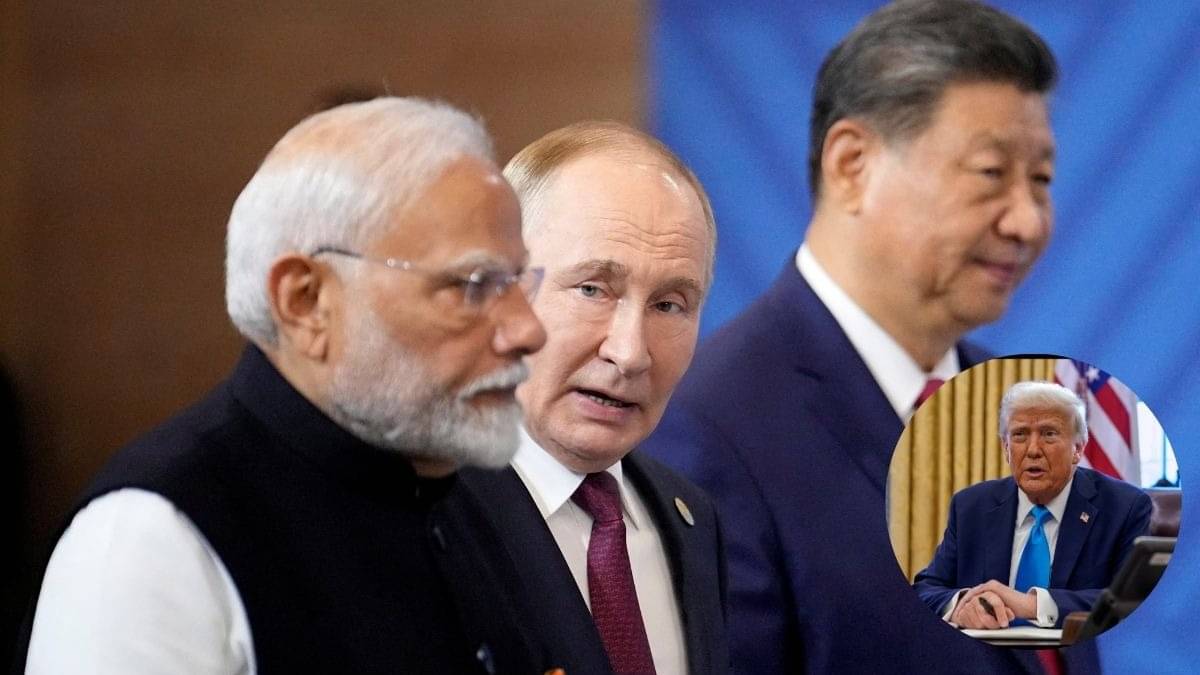
The US House of Representatives approved a bill that would increase sanctions on Russia and Iran.
The bill could also let the US place very high tariffs on goods from countries that buy a lot of Russian oil or gas.
India and China are among the countries that buy significant amounts of Russian energy.
India said it needs reliable energy for its 1.4 billion people and will protect its economic interests.
China said countries should be allowed to trade freely without being pressured by another country.
Russia called the bill unfriendly and hostile.
Russian officials also said it could make peace efforts over Ukraine more difficult.
The bill still needs to be signed by President Donald Trump.
India, China and Russia have all expressed strong reservations about the measure.

The US House passed the Russia and Iran sanctions package 262-159 on Wednesday.
The bill targets Russian officials, banks and oil tankers, while allowing tariffs of up to 100 percent on goods from major Russian energy buyers.
India said it would protect its energy supplies, economic interests and trade while diversifying sources.
China called the measure an unlawful use of long-arm jurisdiction and opposed sanctions lacking international-law or UN authorization.
Russia described the bill as hostile and warned that further restrictions could hinder efforts toward peace in Ukraine.
- Who
- The United States, India, China and Russia are the main parties involved; President Donald Trump is expected to consider signing the bill.
- What
- The US House passed a sanctions package targeting Russia, its energy buyers and Iran.
- Where
- The measure passed in the US House of Representatives, while the reactions came from India, China and Russia.
- When
- The House passed the bill on Wednesday; it now goes to President Donald Trump.
- Why
- The bill seeks to increase pressure on Russia and its major oil and gas customers, while the affected countries cite energy security, trade, international law and peace efforts.
United States Sanctions Approach
India, China and Russia’s Objections
Pressure on Russian energy trade
United States Sanctions Approach
The bill would expand sanctions on Russia and authorize tariffs of up to 100 percent on goods from major Russian oil and gas buyers.
India, China and Russia’s Objections
India warned of risks to bilateral trade and global energy markets, while China rejected interference in normal trade and Russia called the measure hostile.
Effect on international relations
United States Sanctions Approach
The legislation is presented as a way to increase restrictions on Russia and extend sanctions on Iran.
India, China and Russia’s Objections
China said the measure violates international norms, India said it would protect its economic interests, and Russia said it could hinder a peaceful settlement in Ukraine.
Key facts
- Bill name
- Lindsey O. Graham Sanctioning Russia and Iran Act of 2026
- House vote
- 262-159
- Potential tariffs
- Up to 100 percent on goods from the five largest importers of Russian oil or gas
- Targeted Russian sectors
- Officials, banks and the shadow fleet of oil tankers
- Possible exemption
- Countries keeping Russian gas imports below 15 percent and showing clear steps to reduce purchases may seek exemptions
- India’s position
- New Delhi plans to diversify energy sources and protect its economic and trade interests
- China’s position
- Beijing rejects unilateral sanctions and long-arm jurisdiction without international-law or UN Security Council authorization
- Russia’s position
- Moscow calls the measure unfriendly and says it could complicate peace efforts in Ukraine
Sources
Related news
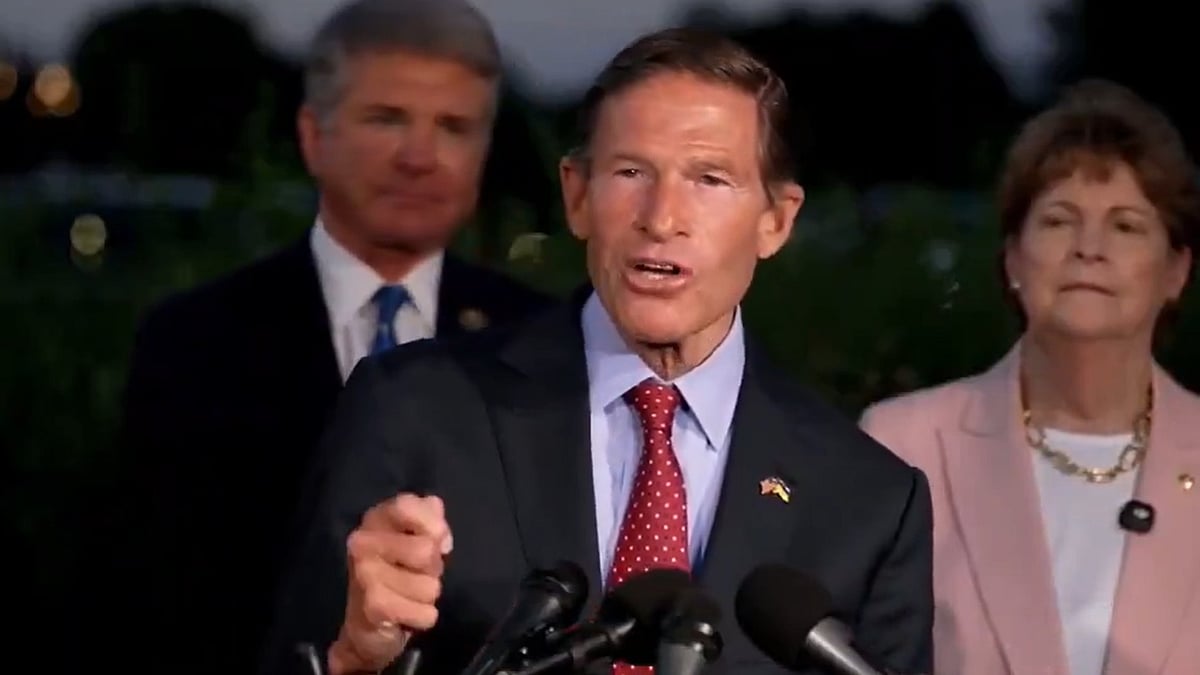
US Sanctions Bill Puts India, China Under Russian Oil Pressure
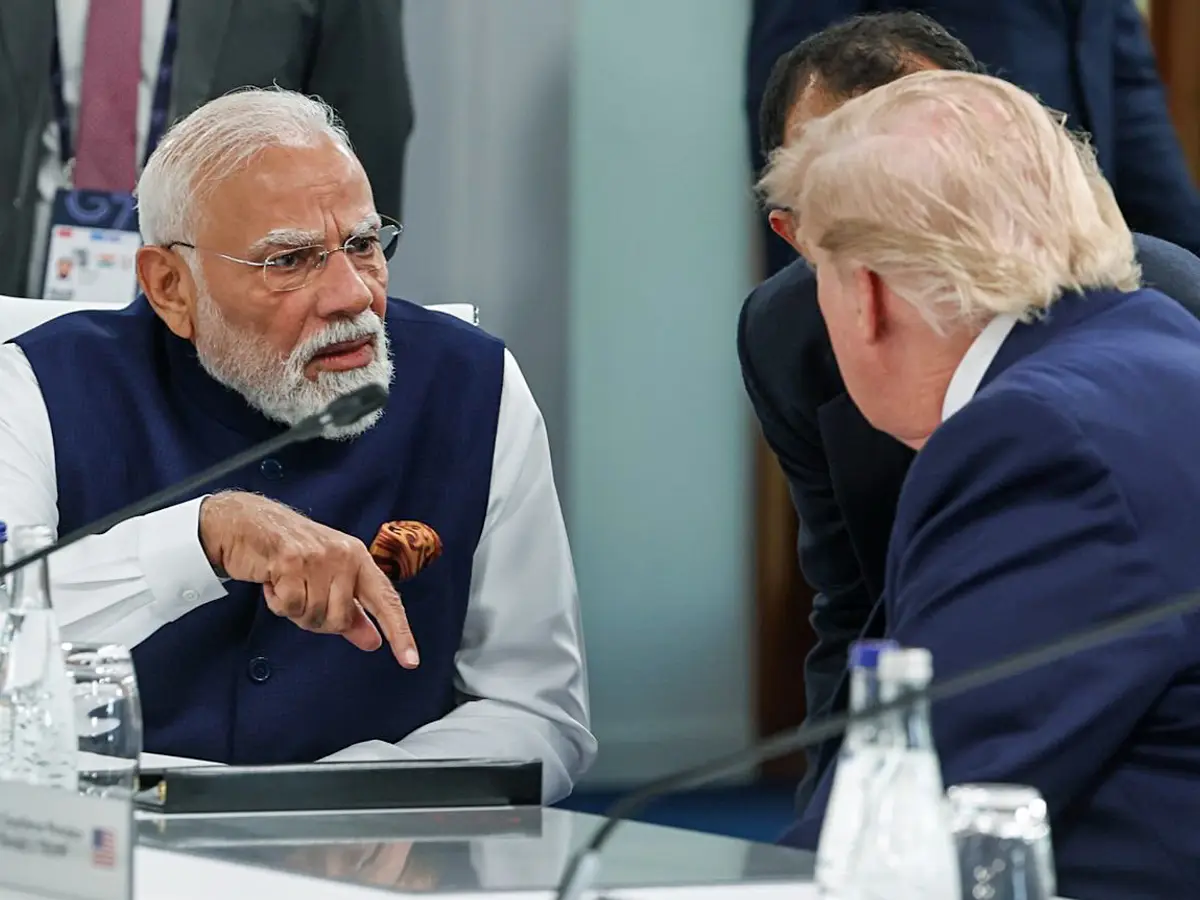
India Defends Energy Security After US Russia Sanctions Bill
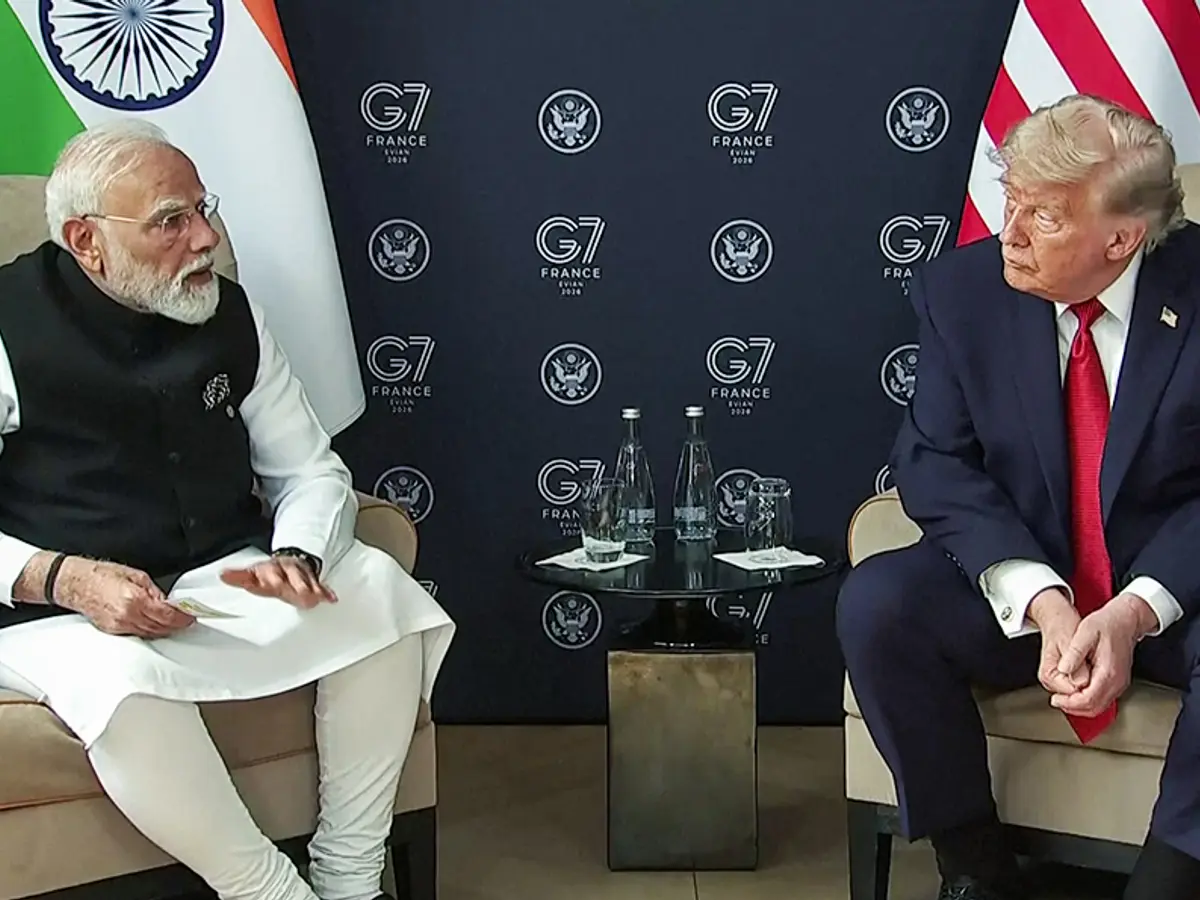
House Passes Russia Sanctions Bill, India Faces Tariff Risk
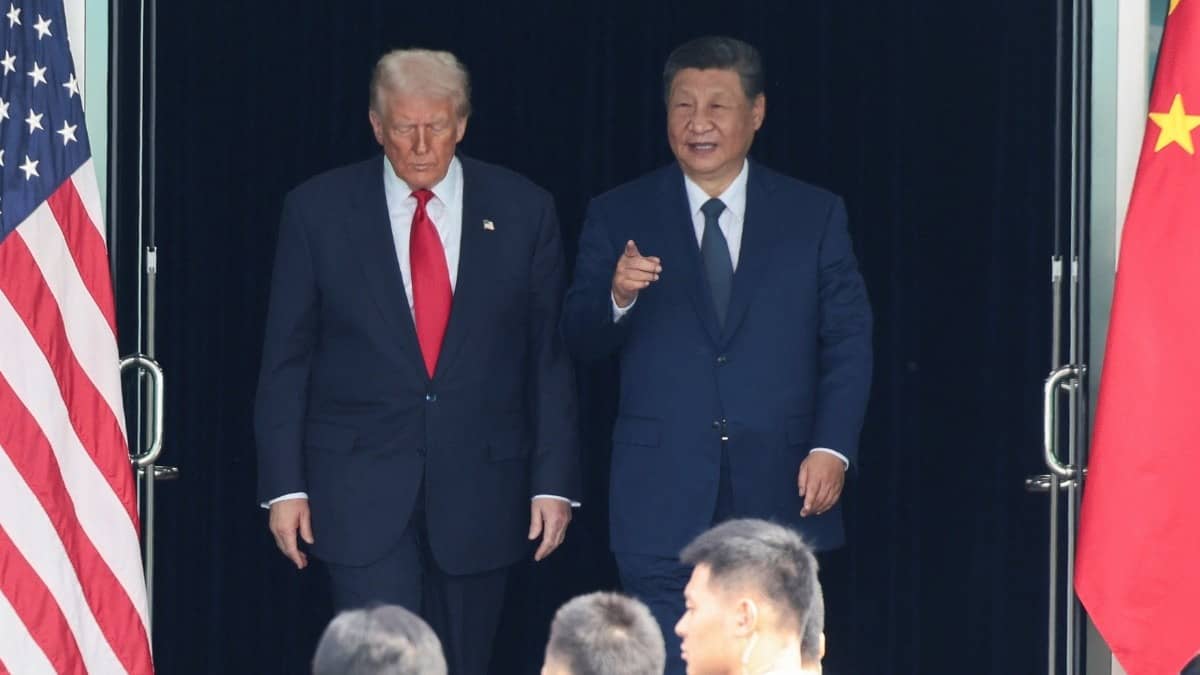
China Condemns United States Russia Sanctions Bill as Unlawful
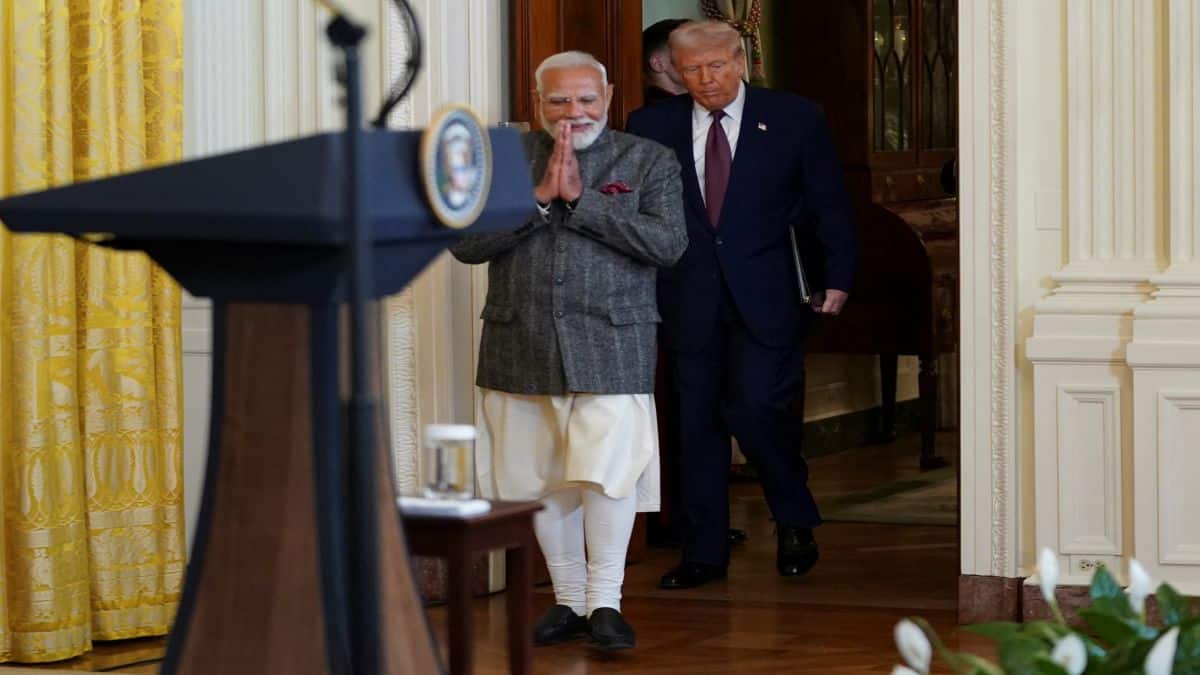
US Russia Sanctions Bill Puts India Under Tariff Pressure
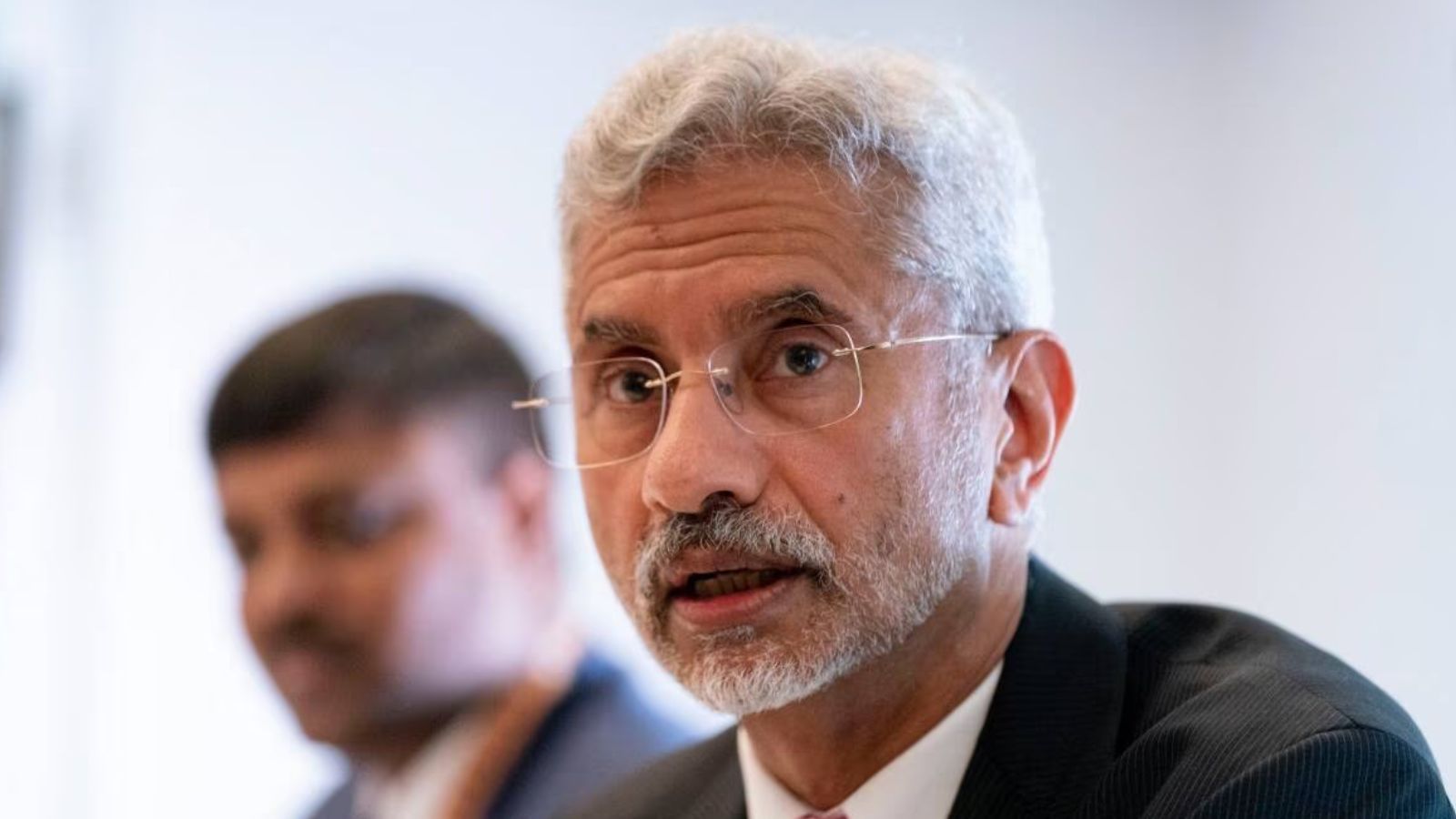
India Defends Russian Oil Purchases Amid US Tariff Threat
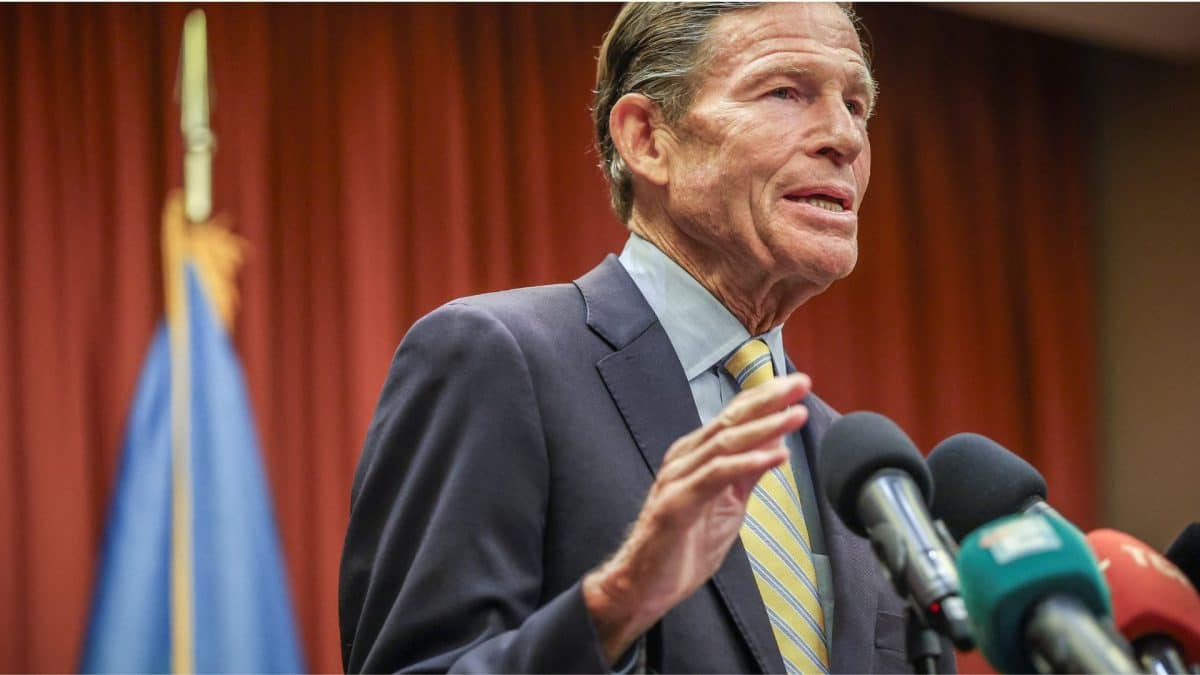
Richard Blumenthal Drives Bipartisan Russia Sanctions Bill
Powerus Signs Pakistan Army Drone Deal Amid Trump Family Links
India Secures Duty-Free Steel Quota Access to EU
India’s Defence Spending Trails China Despite Asia’s Second Rank
India Rejects New China-Pakistan Boundary Commission Over Kashmir