5 hrs ago
Nepal PM Links Rasuwa Flood to Rising Himalayan Climate Risks
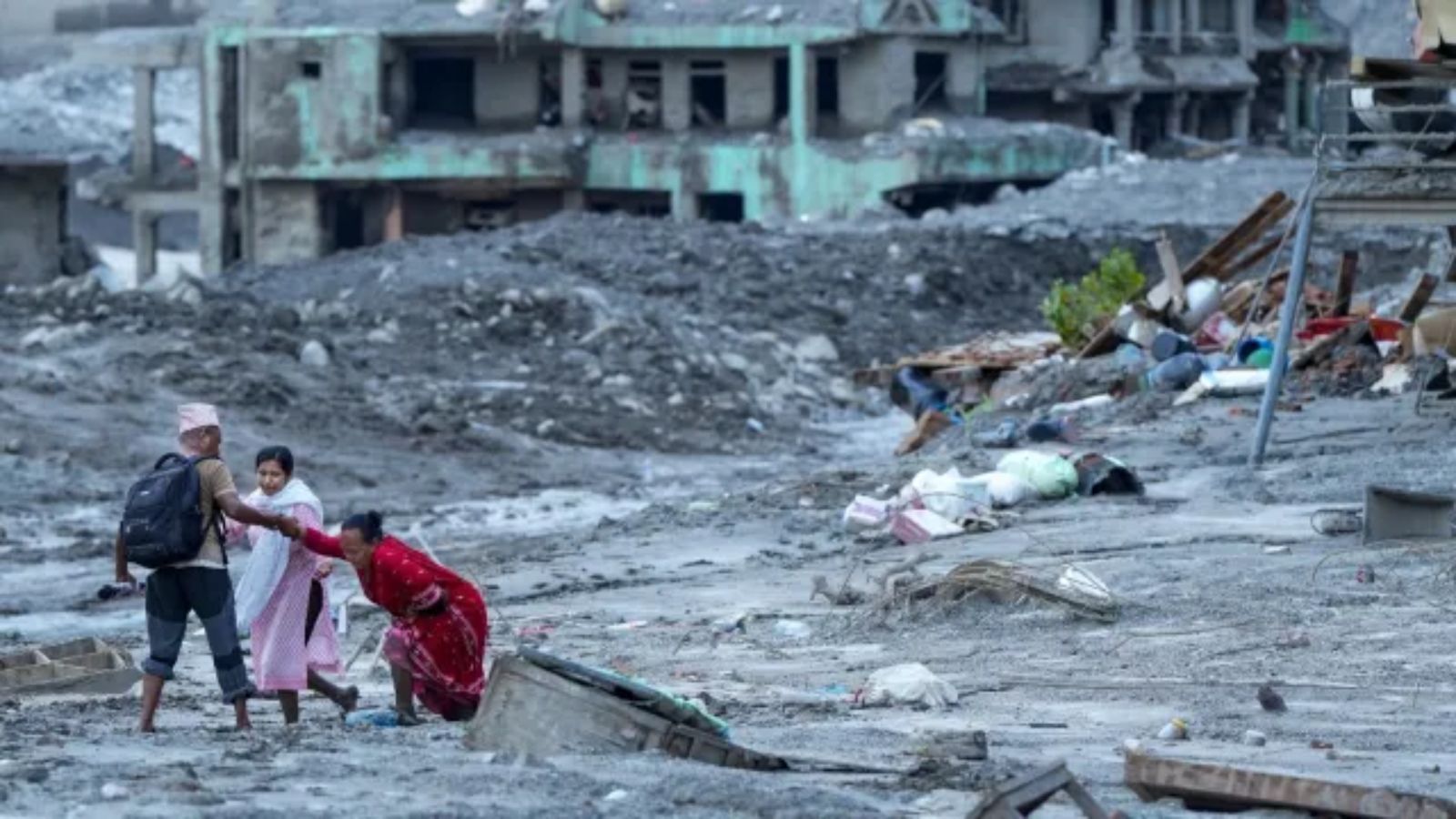
A very large flood hit Nepal’s Bhotekoshi River area and damaged communities and infrastructure.
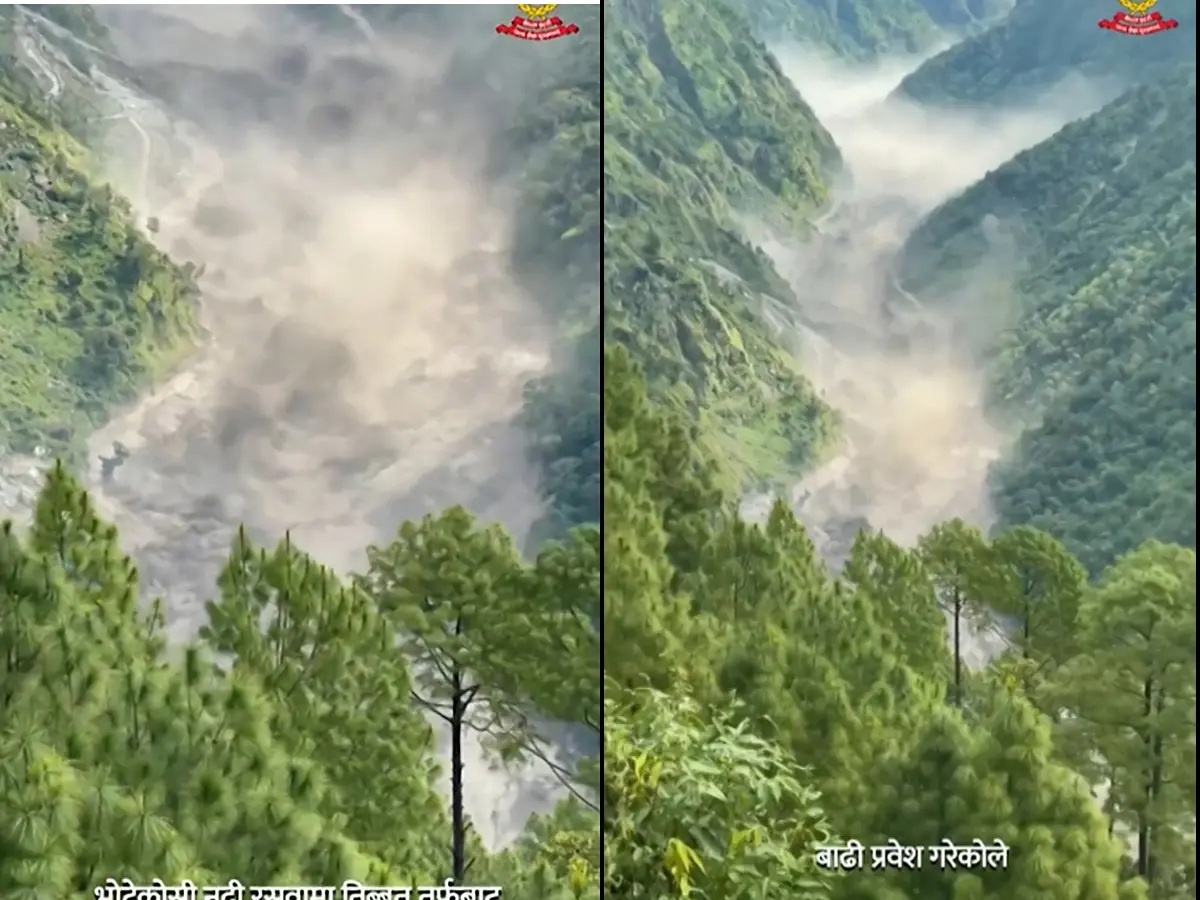
Experts said an avalanche blocked a smaller river, and the water later broke through the blockage.
More than 1,100 bodies had been recovered, and thousands of people were still missing or unreachable.
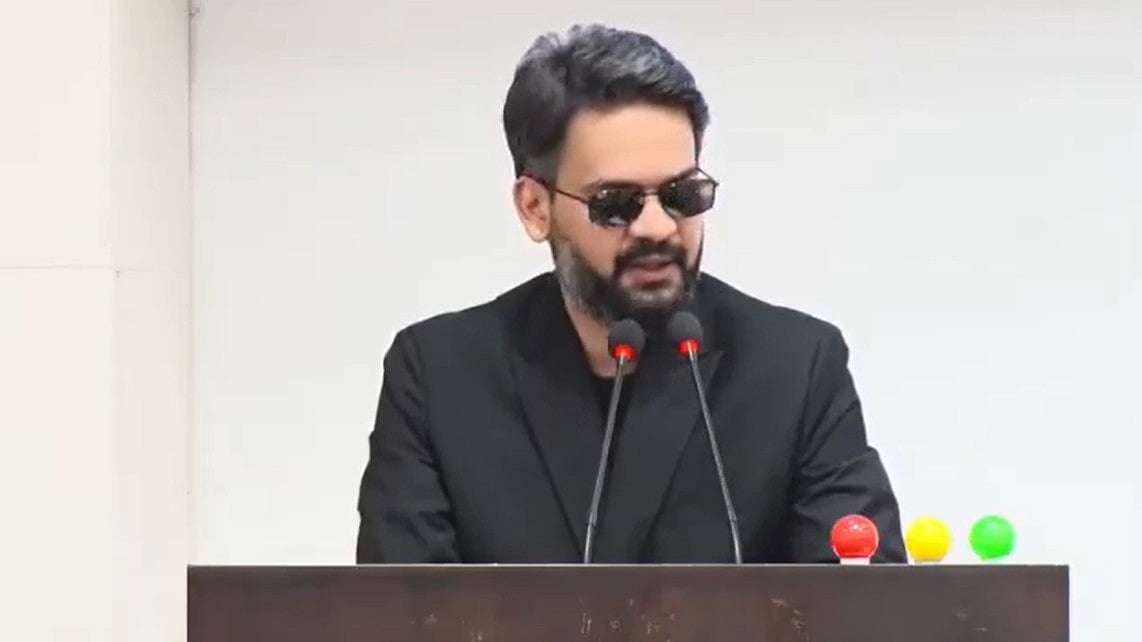
Prime Minister Balendra Shah said climate change may be making Himalayan disasters more dangerous.
He asked the world to pay more attention and share responsibility for dealing with climate risks.
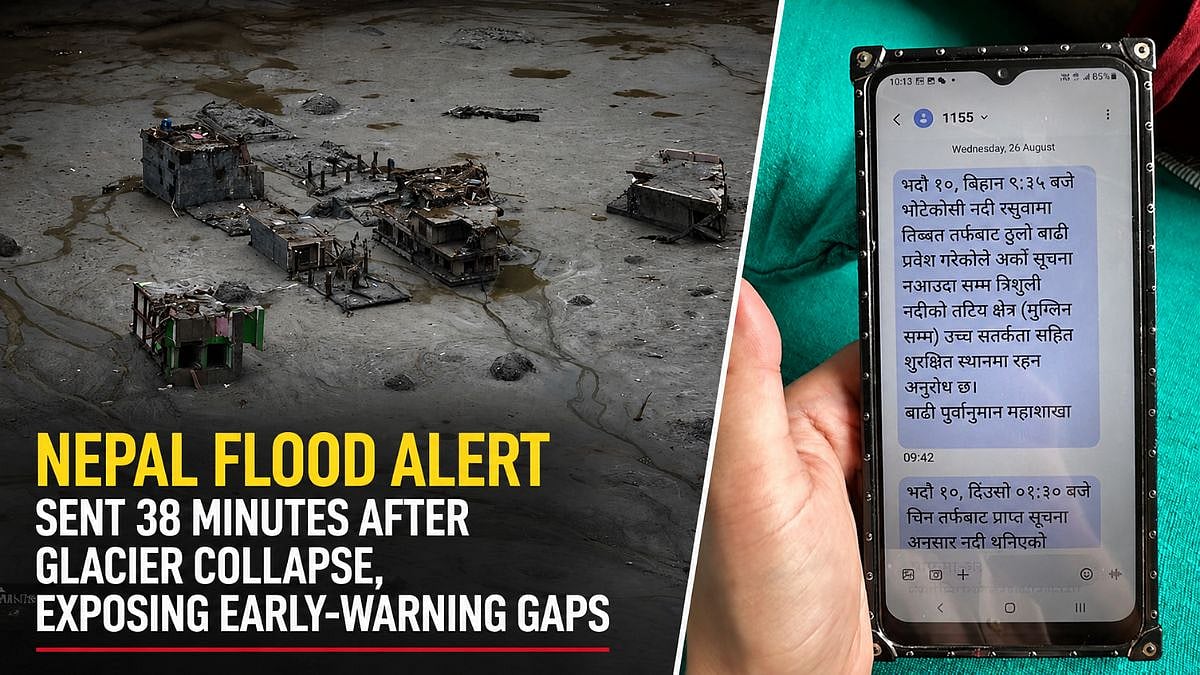
The government said it sent text-message warnings and used security personnel to alert residents.
Shah also said Nepal accepted foreign help from the beginning, including technical support from India and China.
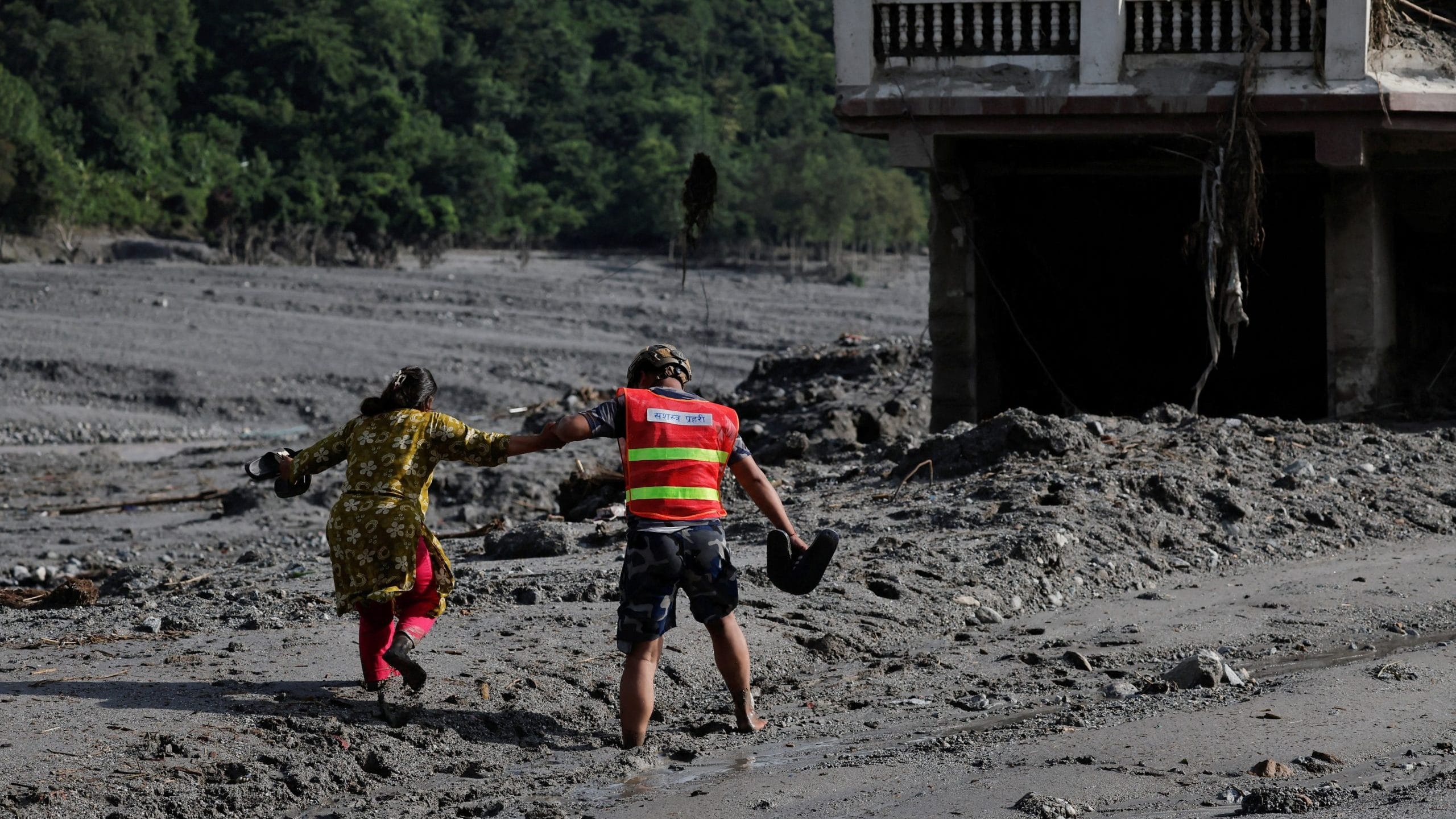
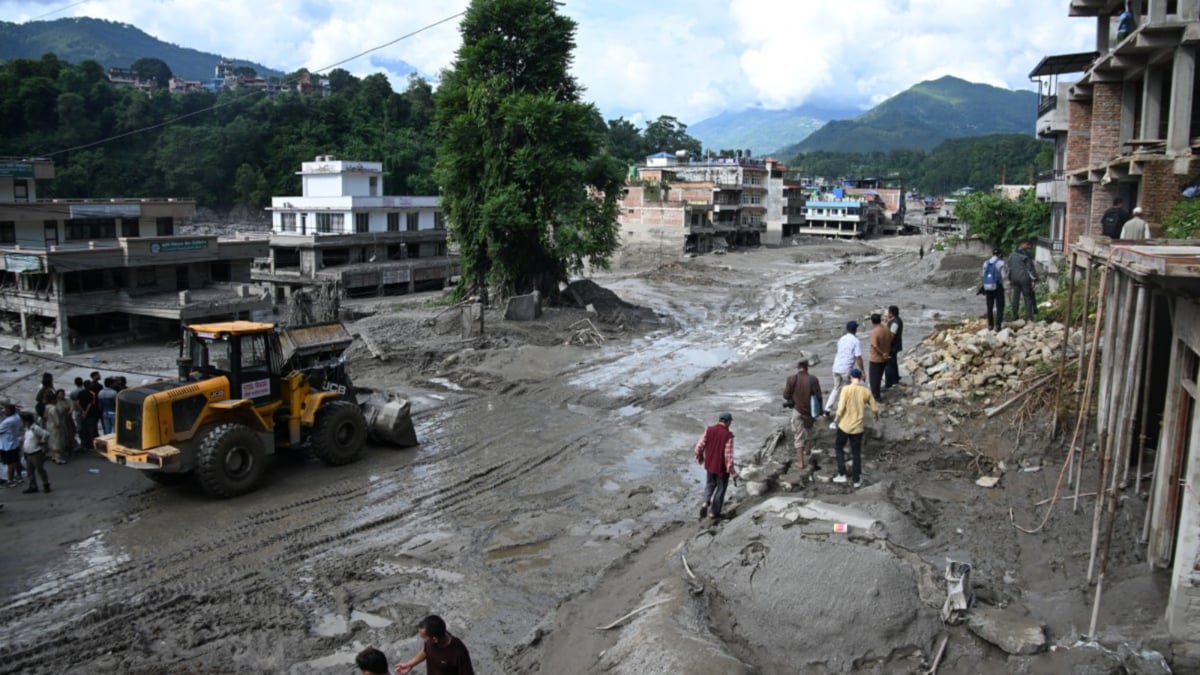
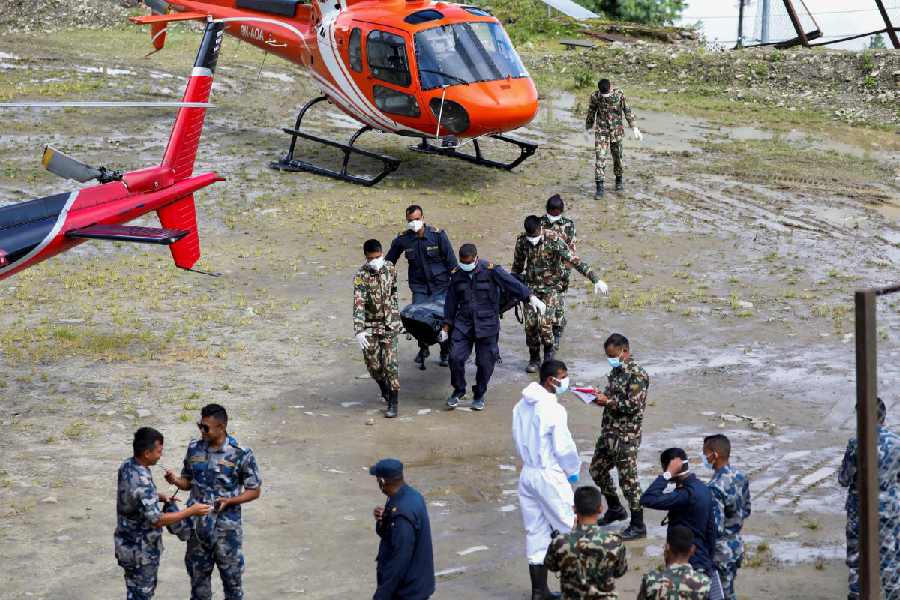
Rescue work was difficult because mud, debris and unstable ground prevented vehicles and helicopters from reaching some places.

Prime Minister Balendra Shah called the Rasuwa floods a warning about growing climate risks in the Himalayas.
At least 1,114 bodies had been recovered by Wednesday morning, while about 3,916 people remained out of contact.
Shah said Nepal sought international assistance from the first day and coordinated with foreign governments and organisations.
The government said it sent 11 lakh SMS alerts and deployed security personnel after learning that the flood was approaching.
Rescue operations were delayed by mud, debris, unstable ground and the technical difficulty of reaching hydropower tunnels.
- Who
- Nepal Prime Minister Balendra Shah, Nepalese authorities, rescue personnel, lawmakers, foreign technical teams and affected residents.
- What
- Devastating floods and landslides in the Bhotekoshi area were discussed in Parliament, with Shah linking them to rising Himalayan climate risks.
- Where
- The disaster affected Nepal’s Bhotekoshi River area near the Nepal-China border, including downstream settlements and hydropower infrastructure.
- When
- Shah addressed the House of Representatives on Wednesday, September 2; the floods occurred the previous week.
- Why
- Shah said climate change contributed to the disaster and called for international attention and shared responsibility, while lawmakers questioned the government’s response.
Government’s account
Lawmakers’ and critics’ concerns
International assistance
Government’s account
Shah said Nepal had not refused or delayed international help and had coordinated with foreign countries from the first day.
Lawmakers’ and critics’ concerns
Lawmakers and media reports questioned whether the government had been slow or reluctant to accept international assistance.
Warnings and information
Government’s account
The government said it sent 11 lakh SMS alerts and deployed security personnel as soon as it learned that the flood was approaching.
Lawmakers’ and critics’ concerns
Critics questioned whether residents received timely warnings and whether information about the danger was properly communicated.
Rescue coordination
Government’s account
Shah said central, provincial and local authorities were communicating, while difficult rescues were conducted as conditions and available resources allowed.
Lawmakers’ and critics’ concerns
Lawmakers raised concerns about coordination, rescue operations, and efforts to reach people trapped in hydropower tunnels.
Handling unidentified bodies
Government’s account
Shah said DNA testing and legal procedures were being used so remains could later be matched with families.
Lawmakers’ and critics’ concerns
Questions were raised about why unidentified victims were buried instead of being kept above ground during identification efforts.
Key facts
- Prime minister
- Balendra Shah
- Recovered bodies
- 1,114 bodies had been recovered by 9 a.m. Wednesday, according to the National Disaster Risk Reduction and Management Authority.
- People out of contact
- About 3,916 people remained out of contact.
- Disaster mechanism
- Experts said an avalanche blocked the Lengde Khola, after which accumulated water breached the natural barrier and caused the flood.
- Public warnings
- The government said it sent 11 lakh SMS alerts after learning of the danger and deployed security personnel to warn residents.
- International assistance
- Shah said Nepal coordinated with other countries from the beginning; India and China sent technical experts.
- Rescue obstacles
- Mud, debris, unstable ground and unsuitable helicopter landing areas initially prevented the deployment of excavators and delayed rescue operations.
Quotes

Balendra Shah
Prime Minister of Nepal speaking in the House of Representatives
“We must make the international community aware of the disasters we are experiencing as a result of climate change. Climate change is a global challenge. Its impacts and efforts to mitigate and manage them are the shared responsibility of the global community.”
 freepressjournal.in
“Due to climate change, such a disaster has struck us. This shows that the risk in the Himalayan region is increasing. Therefore, we must tell the international community about this disaster. This is a shared responsibility of the world.”
 thestatesman.com
Sources

Related news

Nepal Flood Death Toll Surpasses 1,050 as Climate Change Cited
Nepal PM Urges Climate Action After Himalayan Flood Disaster
Nepal Flood Toll Rises as Rescue Teams Face More Flooding
Nepal Issues Fresh Bhote Koshi Flood Alert Amid Deluge

Nepal PM Thanks India, China Amid Climate Compensation Demand
Nepal Plans New Landslide Warning System Along China Border

Nepal Thanks India as Glacial Disaster Rescue Efforts Continue
Nepal Warns of Heavy Rain After Deadly Floods
Nepal Flood Exposes Delayed Alerts and Cross-Border Warning Gaps
India to Rebuild Nepal School After Principal Saves 1,600