2 days ago
Nepal Flood Response Draws Praise, Criticism Over Political Photo Ops

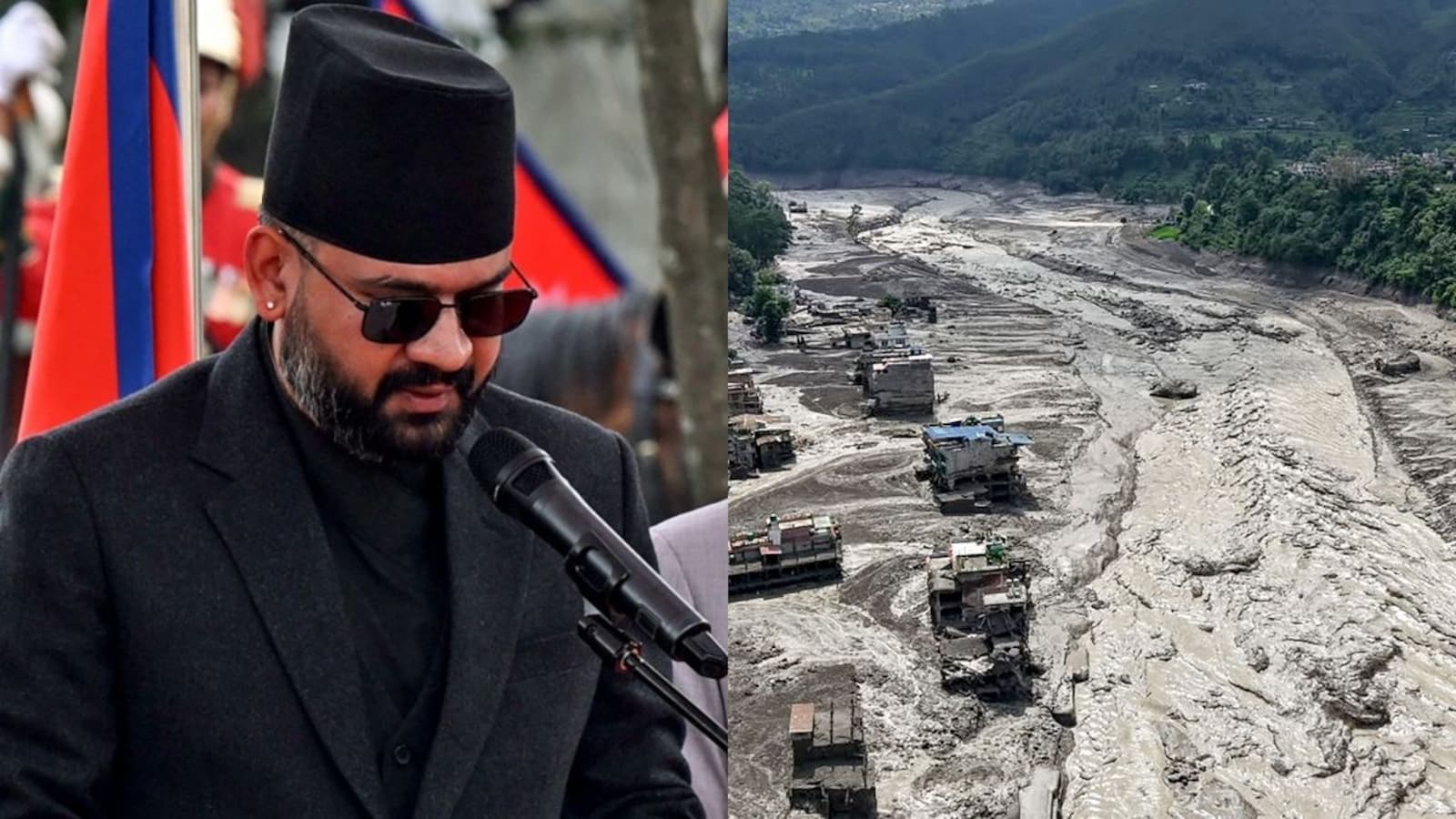
A very large flood hit parts of Nepal, especially Rasuwa, Nuwakot, and Dhading.
Many people died, many more were missing, and thousands needed help.
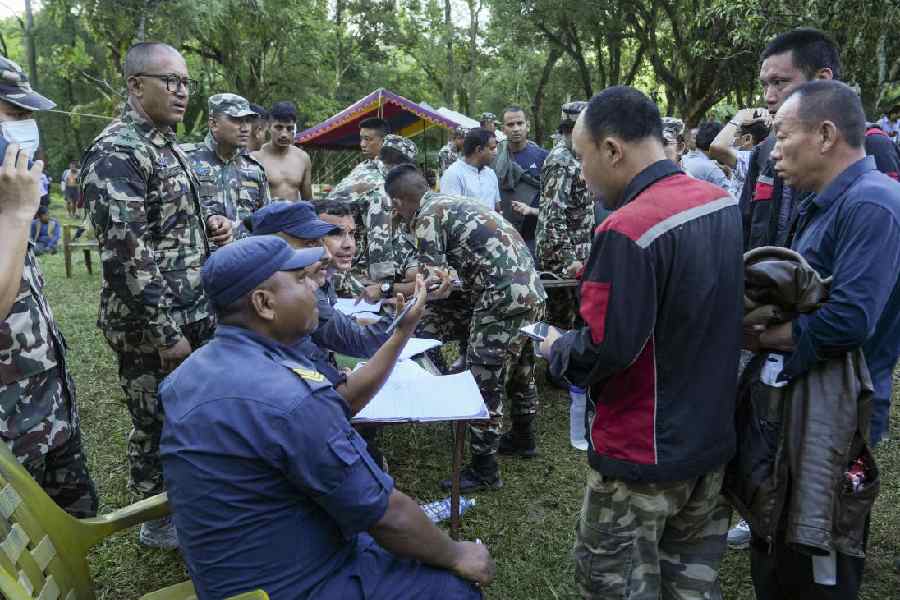
Soldiers, police officers, and other rescuers worked to save people.
Nepal’s government also held emergency meetings and began coordinating the response.
However, some critics said the response became less organized after the first few hours.
They questioned why some leaders joined rescue work instead of coordinating it.
They also criticized politicians who visited with cameras or used helicopters when those resources were needed for rescue.
The article says leaders can help during disasters, but they should focus on actions that save and support people.

Flooding that began in Rasuwa reportedly killed 794 people, left more than 2,500 missing, and injured 267.
Security forces said they rescued 9,435 people as damage spread across Rasuwa, Nuwakot, and Dhading.
The government, Nepal Army, police, and armed police launched warnings, coordination, and rescue efforts quickly.
Critics questioned Home Minister Sudan Gurung’s decision to join tunnel searches and delays in accepting foreign rescue teams.
Local officials and observers accused several politicians of prioritizing cameras, helicopter visits, or public criticism over practical relief work.
- Who
- Residents of Rasuwa, Nuwakot, and Dhading, along with Nepal’s government, security forces, local officials, politicians, and offered foreign rescue teams.
- What
- Severe flooding caused extensive deaths, destruction, rescues, and criticism of aspects of Nepal’s political and disaster response.
- Where
- Rasuwa district and neighboring Nuwakot and Dhading districts in Nepal.
- When
- The flooding began last Wednesday; the article reports that an MP visited a relief meeting on Saturday morning.
- Why
- The flooding caused a major humanitarian emergency, while disagreements arose over rescue coordination, foreign assistance, resource use, and alleged political publicity.
Critics of the response
Officials and supporters of political involvement
Political leaders in rescue zones
Critics of the response
Critics say some politicians appeared to prioritize cameras, public visibility, or criticism of relief workers instead of providing practical assistance.
Officials and supporters of political involvement
Supporters can argue that elected officials should visit disaster zones because their presence can support morale, oversight, and direct contact with affected communities.
Home minister’s field role
Critics of the response
Critics say Home Minister Sudan Gurung should have focused on central coordination rather than personally entering rescue tunnels, where trained specialists were needed.
Officials and supporters of political involvement
The article reports that Gurung joined search efforts on-site, which can be viewed as direct involvement in the rescue operation, although it does not provide his response to the criticism.
Helicopter use and foreign rescue teams
Critics of the response
Critics questioned helicopter visits by Law Minister Sobita Gautam and lawmakers when helicopters were urgently needed for search and rescue, and they criticized delays in approving foreign assistance.
Officials and supporters of political involvement
The article notes that political visits can serve oversight and morale purposes, while also reporting that the government began coordinating internationally early in the crisis.
Key facts
- Reported deaths
- 794, with the toll still climbing
- People unaccounted for
- More than 2,500
- People rescued
- 9,435, according to security forces
- Confirmed injuries
- 267
- Mainly affected areas
- Rasuwa, Nuwakot, and Dhading
- Key rescue organizations
- Nepal Army, Nepal Police, and armed police personnel
- Foreign assistance
- Countries including India reportedly offered expert rescue teams
Quotes
Deepak Kumar Karki
Ward chairperson of Galchhi Rural Municipality-6 in Dhading district
“The real work happens in the field.”
 thestatesman.com
An unidentified local observer
Local observer commenting on ministers’ roles during the disaster
“in a crisis like this, the job of a minister is not to bump their head against tunnel walls alongside rescue workers, but to use their head to run the response.”
thestatesman.com
Sources
Related news
Nepal Floods Overwhelm Response Capacity as Rescue Efforts Intensify

Nepal Home Minister’s Tunnel Rescue Role Draws Disaster-Response Scrutiny
Nepal Flash Flood Kills 162, Leaves Hundreds Missing
Nepal PM Links Rasuwa Flood to Rising Himalayan Climate Risks

Nepal Details Government Response to Devastating Flash Floods