6 days ago
Nepal Floods Overwhelm Response Capacity as Rescue Efforts Intensify
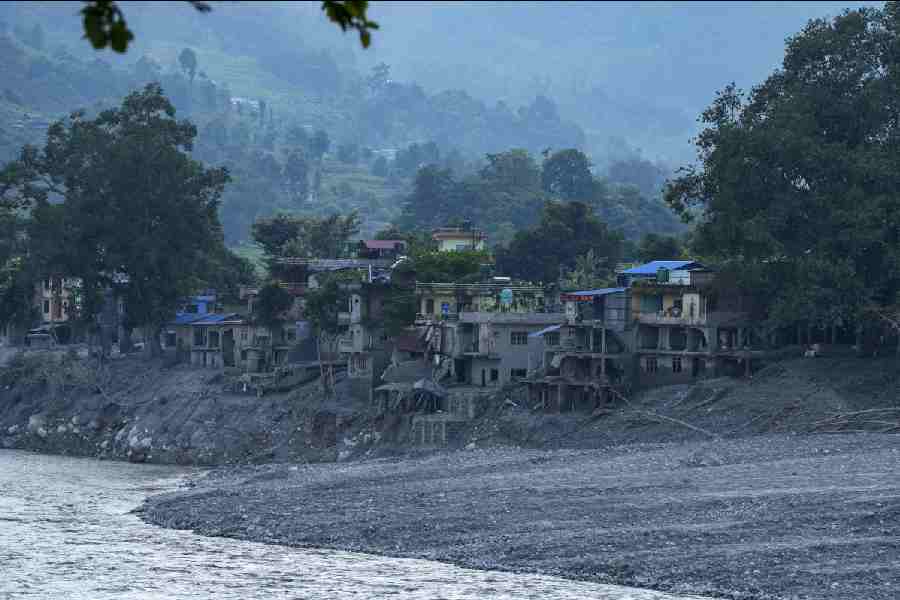
Severe floods struck three districts of Nepal on Wednesday.
At least 162 people have died, and many others are missing.
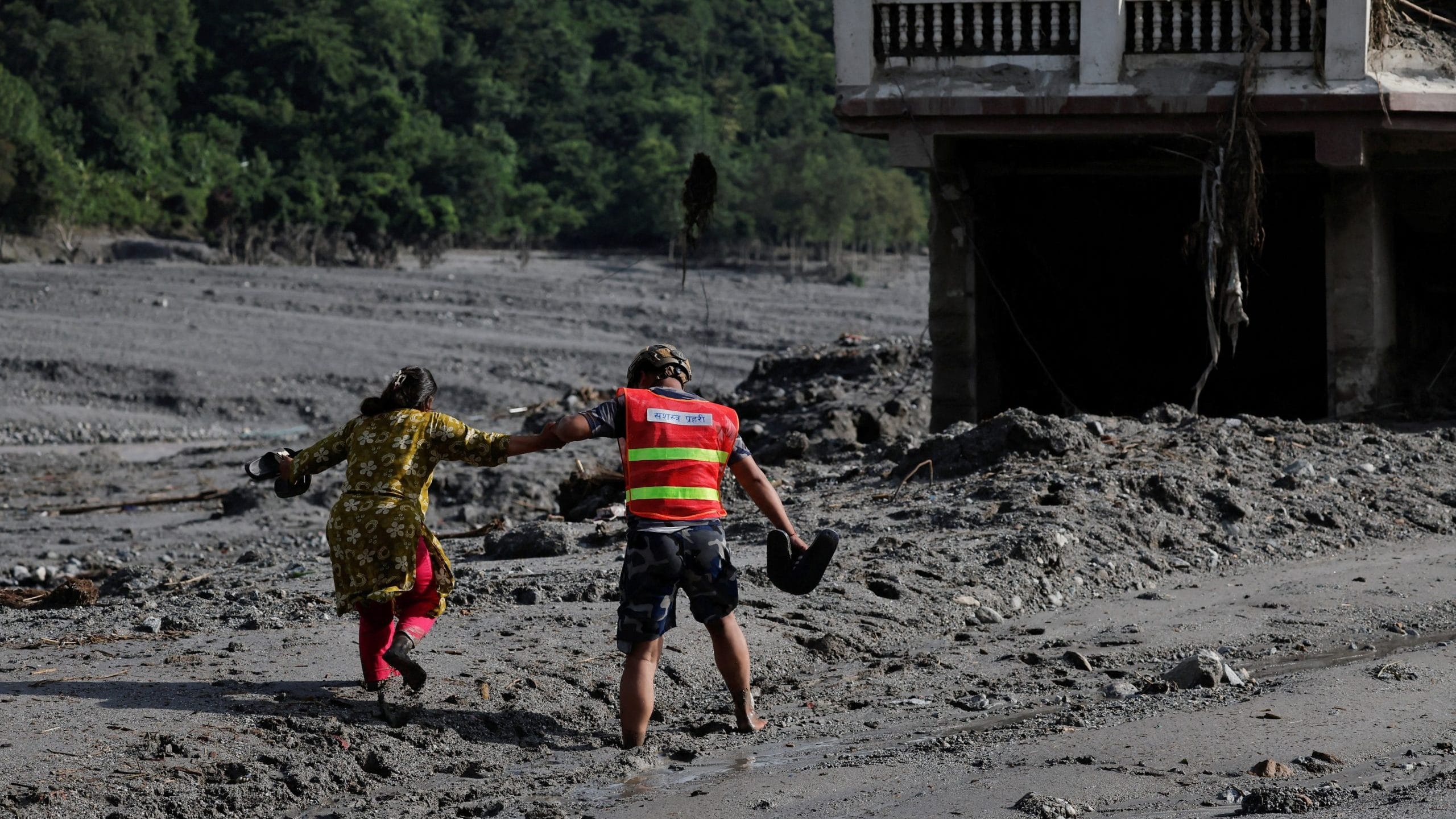
Some people escaped to higher ground but are still waiting for rescue.
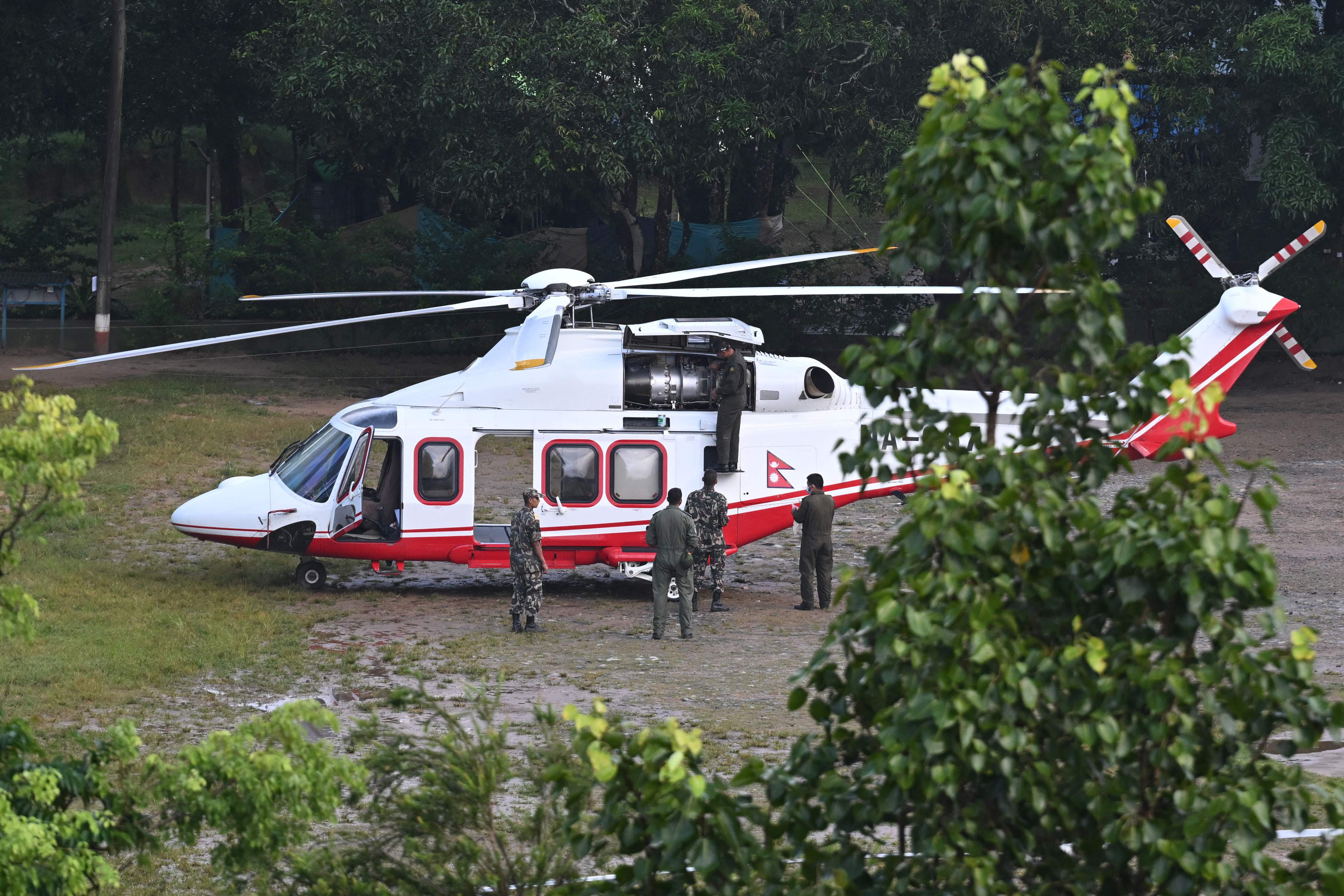
Helicopters have rescued some survivors because roads and bridges are damaged or blocked.
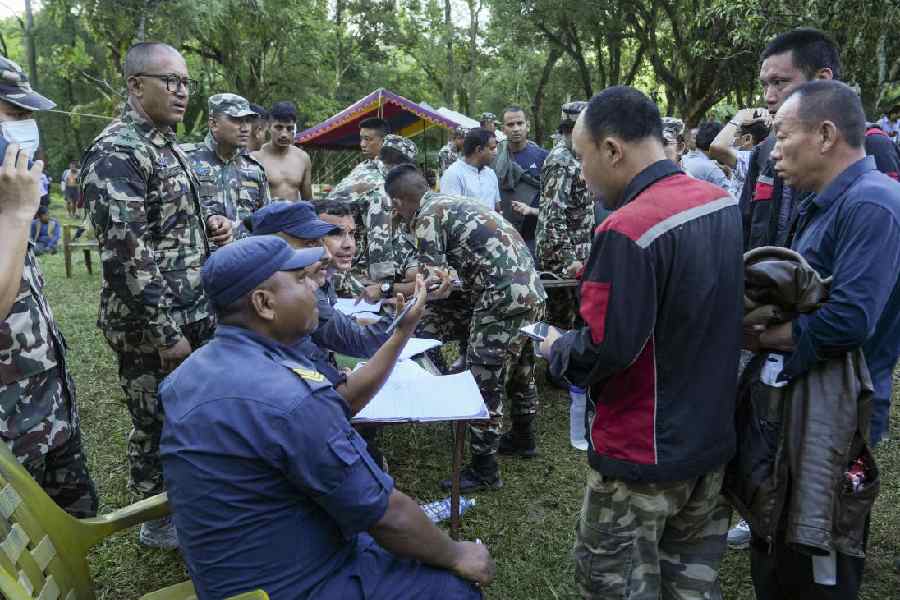
Government teams, security forces and local officials are searching for trapped people.
Drones and satellite pictures are being used to find people and measure the destruction.
Families need food, water and shelter, while hospitals need fuel and electricity.
Experts say the disaster is larger than Nepal’s current emergency systems can handle.
Reports disagree about exactly what caused the flooding, although one account says an avalanche blocked a river tributary.

Flash floods across Nepal’s Rasuwa, Nuwakot and Dhading districts killed at least 162 people, with scores still missing.
Experts said the disaster has exceeded existing response capacity, leaving families short of food, shelter and access to relief.
Initial assessments found 1,976 buildings completely damaged and about 38 kilometres of roads destroyed.
Drones, satellite imagery, security forces and helicopters are being used to locate survivors and assess damage.
Road closures, power disruptions, fuel shortages and weak communications are complicating rescue, hospital care and relief efforts.
- Who
- Flood-affected residents, Nepal’s government, security forces, local authorities, hospitals, experts and climate activists.
- What
- Flash floods caused widespread deaths, displacement and infrastructure damage while rescue and relief operations continued.
- Where
- Rasuwa, Nuwakot and Dhading districts in Nepal, beginning near Timure and Rasuwagadhi by the Nepal-China border.
- When
- The floods struck on Wednesday; rescue and relief efforts and assessments were reported on Thursday.
- Why
- The Kathmandu Post reported that an avalanche blocked the Lhende tributary of the Bhotekoshi; the activist cited contradictory reports about the cause.
Expert and Activist Assessments
Reported Official and Media Account
Emergency response capacity
Expert and Activist Assessments
Climate experts and activists said the scale of destruction has overwhelmed existing response systems, with survivors still struggling to obtain basic necessities.
Reported Official and Media Account
The government, security forces, local authorities and other stakeholders are conducting searches, deploying drones and coordinating satellite imagery to save lives and assess damage.
Cause of the flooding
Expert and Activist Assessments
The climate activist said the cause remained unclear because multiple contradictory reports were circulating.
Reported Official and Media Account
The Kathmandu Post reported that an avalanche blocked the Lhende tributary of the Bhotekoshi before the flooding struck Timure near Rasuwagadhi.
Key facts
- Reported death toll
- At least 162 people
- Affected districts
- Rasuwa, Nuwakot and Dhading
- Buildings destroyed
- At least 1,976, according to an initial rapid assessment
- Roads destroyed
- About 38 kilometres
- Rescue technology
- Drones with thermal and optical cameras, plus satellite imagery
- Access conditions
- Many roads and transport routes are blocked or destroyed, making helicopters the main means of access in some areas
- Critical shortages
- Food, shelter, water, electricity, diesel, generators and communication access
Quotes
Binod Prasad Parajuli
Executive director of Nepal’s Climate Risk and Resilience Lab
“The priority now is to build communication channels with both locals and officials to understand where the needs are and where people can safely go, since moving without accurate information risks adding to the casualty count.”
 telegraphindia.com
“The government of Nepal and related stakeholders' first priority is saving lives.”
telegraphindia.com
Sources
Related news

Nepal Flood Death Toll Crosses 1,000 as Rescues Continue

Nepal Flash Floods Affect 93,000 as Death Toll May Rise
Nepal Flood Toll Rises as Rescue Teams Face More Flooding
Nepal Flood Damage Assessment May Take Up To Week

Nepal Floods Kill 175 as Hundreds Remain Missing
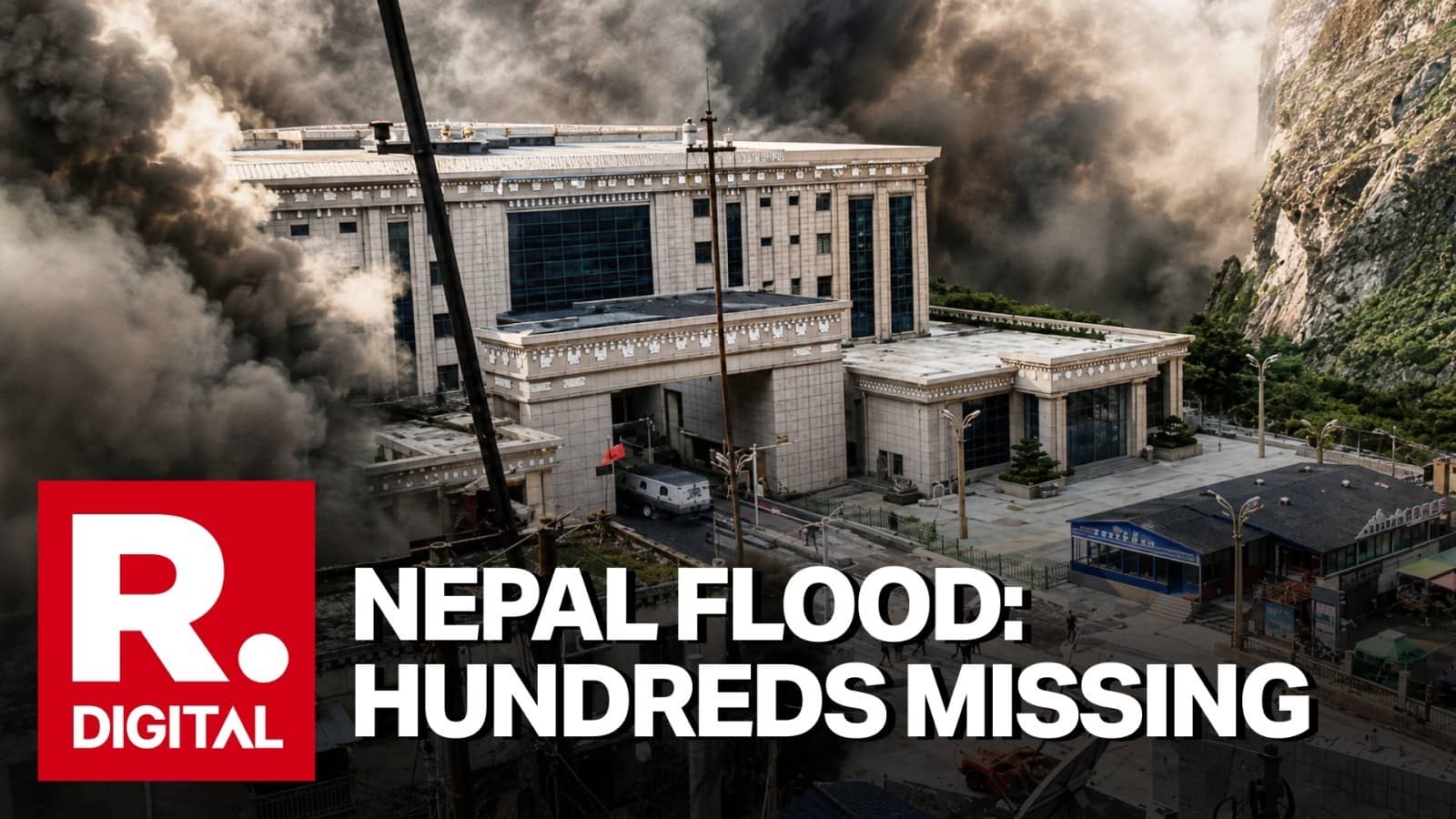
Nepal Flash Flood Kills 162, Leaves Hundreds Missing
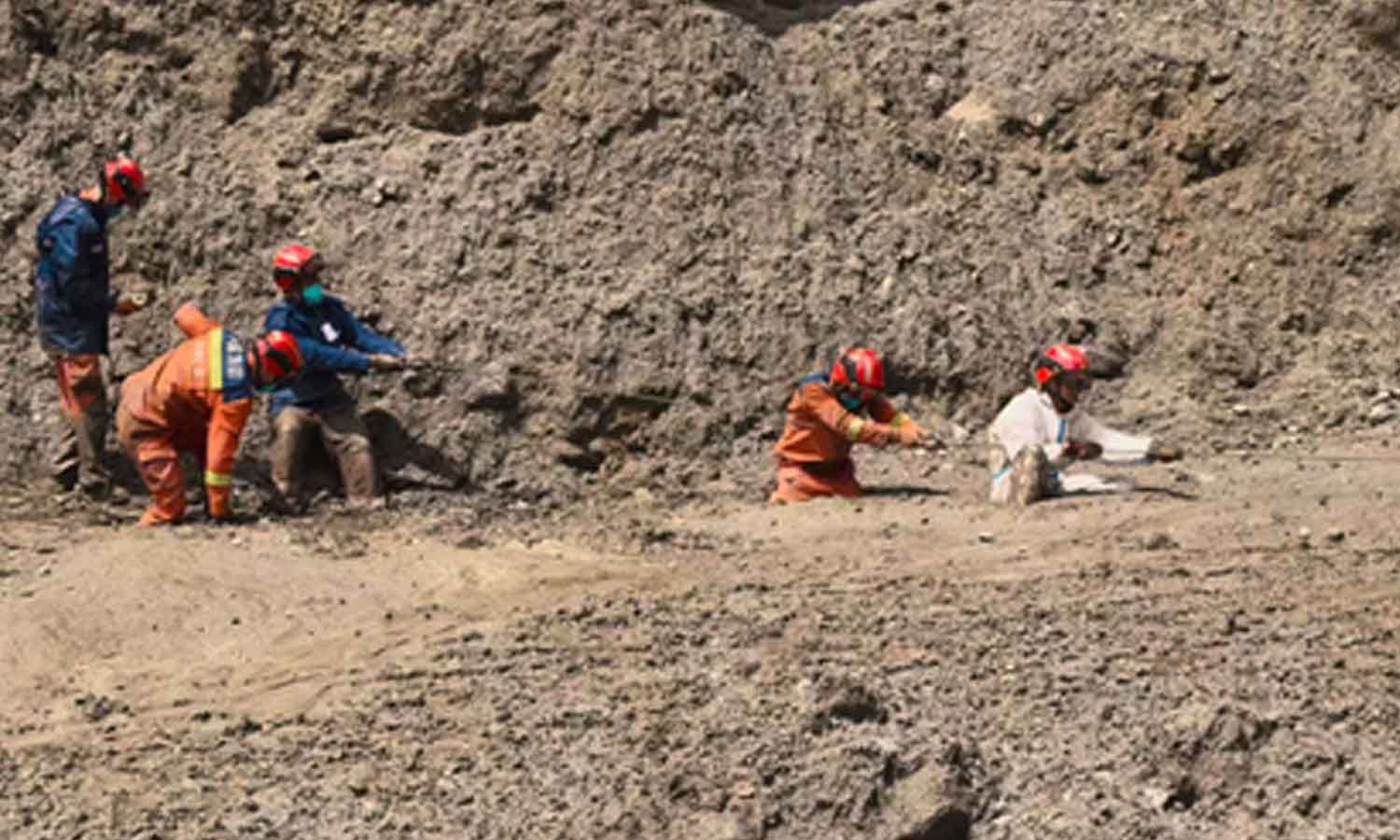
Tibet Opens Hotlines for Foreign Nationals Missing After Floods
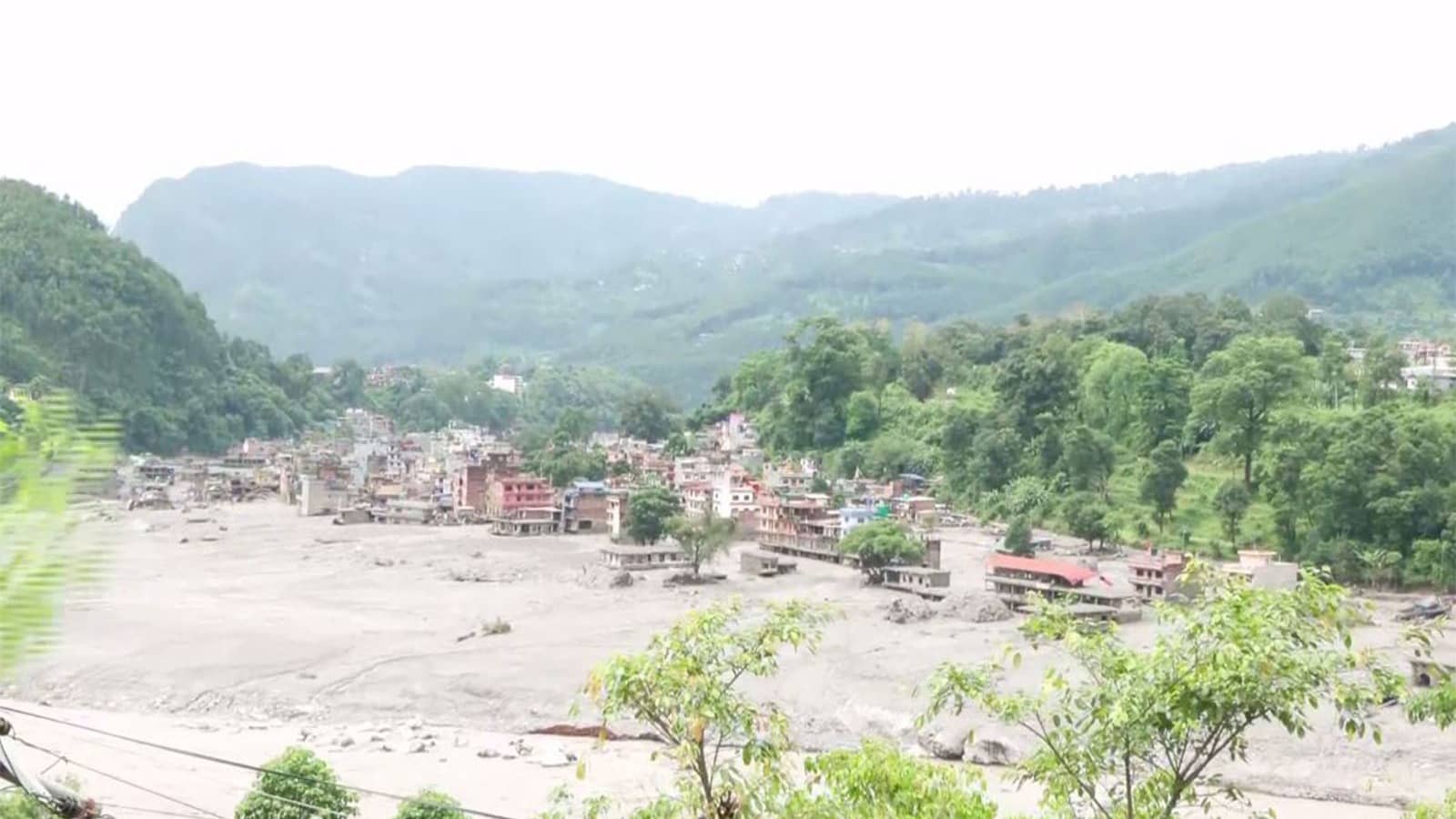
Sixteen Keralites Return Safely as Nepal Flood Rescue Continues
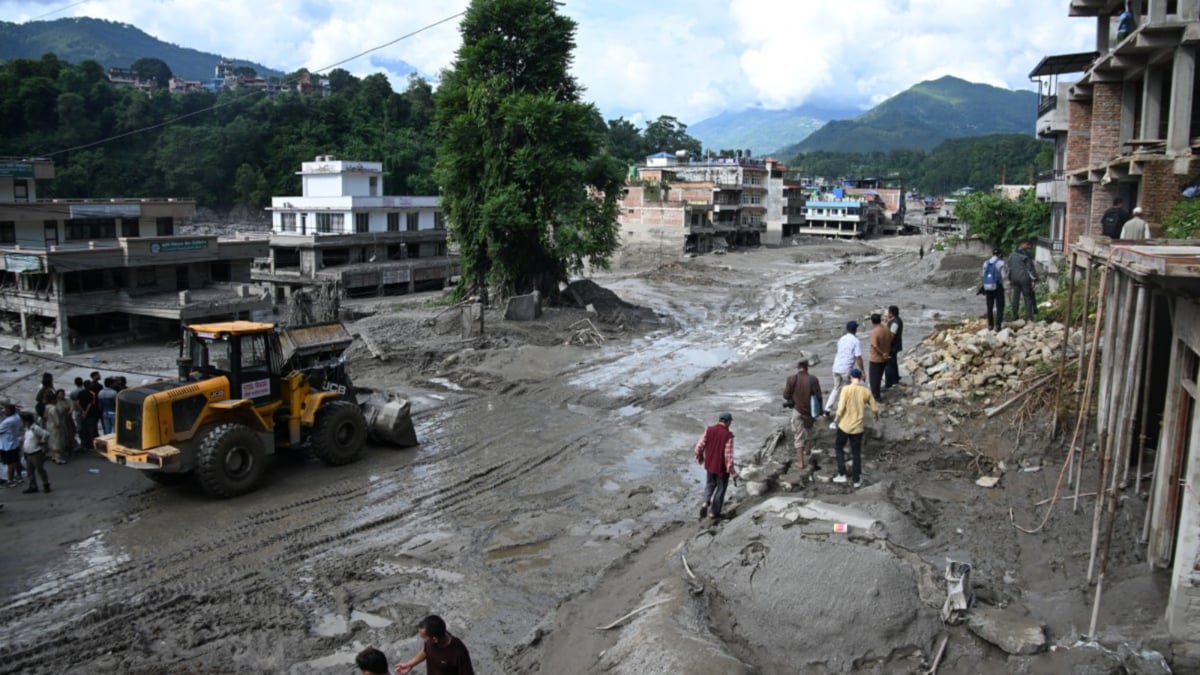
Nepal Issues Fresh Bhote Koshi Flood Alert Amid Deluge
US Pledges $3.6 Million Aid as Nepal Flood Crisis Deepens

Nagpur Tourists Return Safely After Nepal Flood Ordeal