

1 week ago
Modi Government Faces Questions Over Social Media Content Crackdown
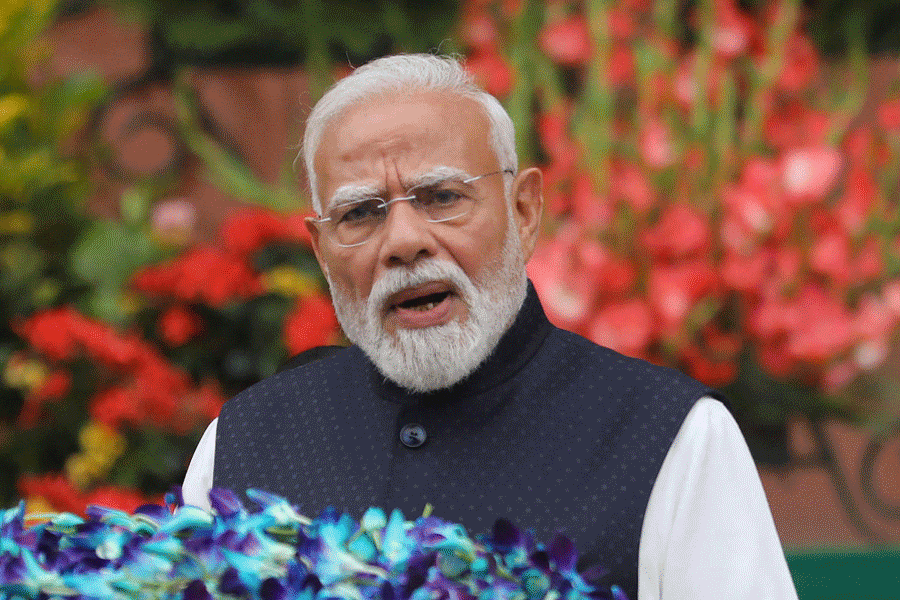
A lawmaker asked the government how often it tells social-media companies to remove or limit posts.
Parliament did not allow two of his questions to be answered.
One was rejected because it was considered related to secret matters.
The other was rejected because it was not considered focused on just one issue.
The lawmaker said this makes it harder for Parliament to check what the government is doing.
Reports say the government sent many blocking orders to social-media platforms.
These orders were sent through a government system called Sahyog.
Separately, Bihar said influencers could receive money for making popular videos about government programs.

The government declined to answer two questions about social-media takedown and content-moderation directions in Parliament.
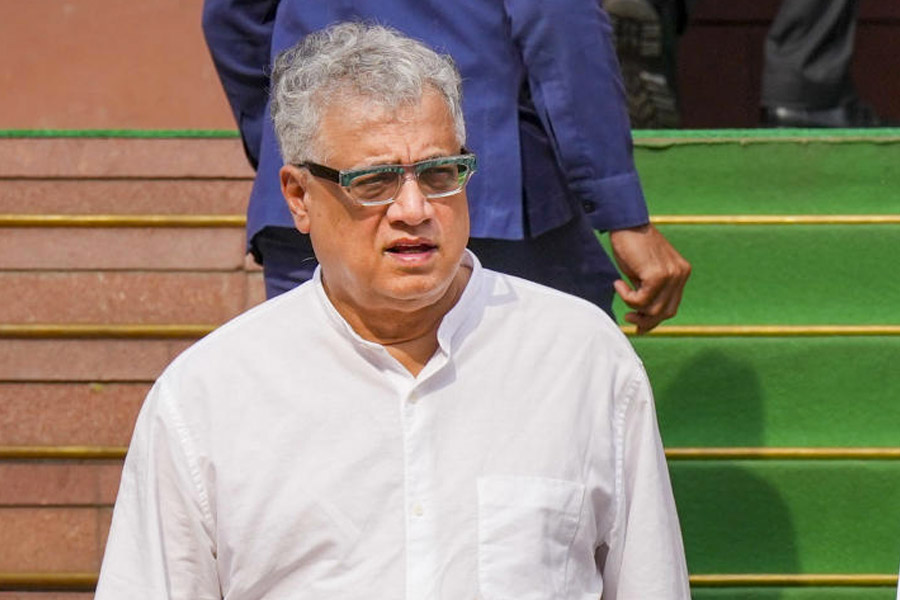
The questions were among 253 submitted by Trinamool Congress Rajya Sabha MP Derek O’Brien and were disallowed on procedural grounds.
Derek O’Brien said blocking such questions raises concerns about transparency and parliamentary scrutiny.
Nearly 1.95 lakh blocking orders were reportedly sent to Instagram, Facebook and YouTube between March and July, averaging about 1,275 daily.
Bihar approved payments of Rs 10,000 per 1 lakh views for influencers promoting government schemes.
- Who
- The Narendra Modi government, Trinamool Congress Rajya Sabha MP Derek O’Brien, and social-media platforms including Instagram, Facebook and YouTube.
- What
- Two parliamentary questions about government directions to remove or moderate online content were disallowed.
- Where
- In India’s Parliament; the reported orders affected online platforms, and the influencer-payment rules apply in Bihar.
- When
- The article does not specify when the parliamentary questions were disallowed; reported blocking orders covered March to July and October 2024 to October 2025.
- Why
- One question was rejected as involving potentially secret information, while the other was rejected for not being sufficiently focused under parliamentary rules.
Transparency Concerns
Procedural Justification
Parliamentary scrutiny
Transparency Concerns
Derek O’Brien said parliamentary questions are a basic accountability tool and that blocking questions about content-removal orders raises serious transparency concerns.
Procedural Justification
Parliamentary rules require questions to avoid secret matters and to be pointed, specific and confined to one issue; the chairman has final authority over admissibility.
Online content restrictions
Transparency Concerns
The reported rise in blocking orders has prompted concern about the scale of government intervention in social-media content.
Procedural Justification
The article does not provide a direct government response defending the number of orders, but says many directions were issued through the Union home ministry’s Sahyog portal.
Key facts
- Questions disallowed
- Two questions submitted by Derek O’Brien were not admitted for debate or an answer.
- Questions submitted
- The two questions were among 253 questions submitted by O’Brien.
- Reported blocking orders
- Nearly 1.95 lakh orders were reportedly sent to Instagram, Facebook and YouTube between March and July.
- Daily average
- The reported orders averaged about 1,275 per day.
- Sahyog orders
- RTI replies reportedly showed 2,312 orders sent to 19 online platforms through Sahyog between October 2024 and October 2025.
- Parliamentary authority
- The Rajya Sabha chairman has final authority over whether a question is admissible.
- Bihar influencer payment
- Eligible influencers can receive Rs 10,000 per 1 lakh views for reels on government schemes.
Quotes
Derek O’Brien
Trinamool Congress Rajya Sabha MP
“Parliamentary questions are one of the most basic instruments available to MPs to hold the government accountable, “If questions about government orders to remove or moderate content cannot be asked in Parliament, it raises a serious question about transparency and parliamentary scrutiny.””
 telegraphindia.com
Sources
Related news

Government sent social media blocking orders every 68 seconds
Derek O'Brien alleges censorship as 200-plus Parliament questions disallowed
India gives Meta 3-day ultimatum over Modi video removal

Kharge accuses Modi government of brazen attack on democratic rights

India questions Meta on compliance after Modi post restriction row

Government Defends 7.8% GDP Growth as Congress Raises Doubts
BRICS Expansion Puts Membership and Reform at New Delhi Summit

Piyush Goyal Defends India’s 7.8% GDP Growth Amid Criticism
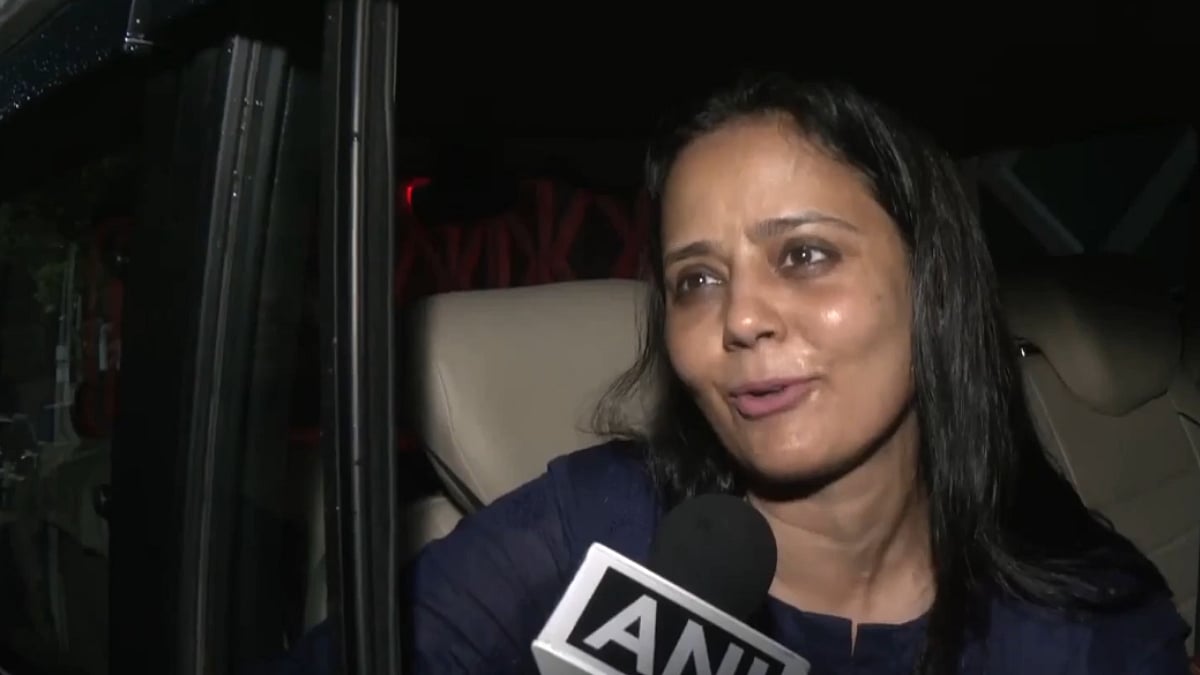
Mahua Moitra Questions India’s 7.8% GDP Growth Figures
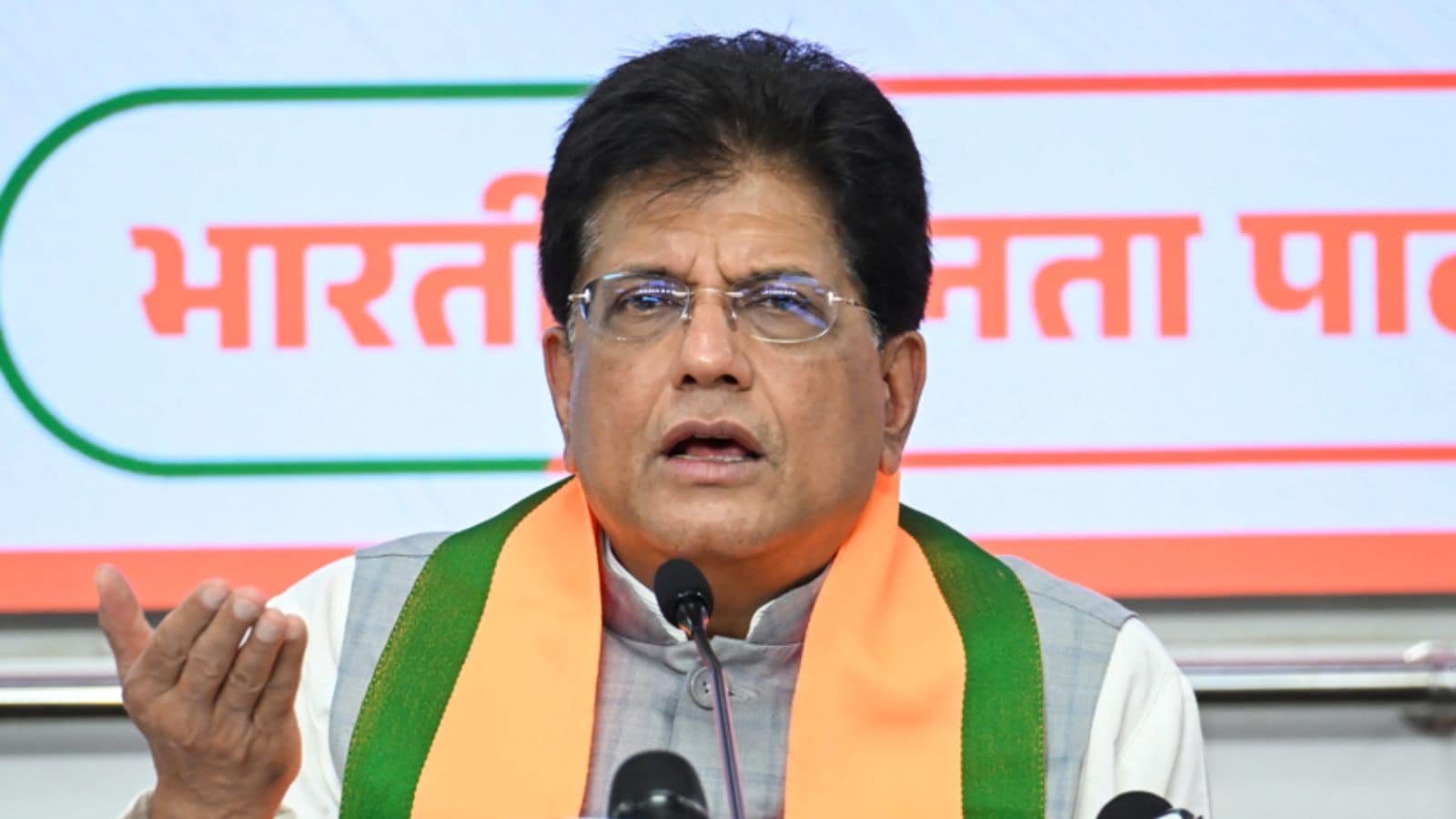
Goyal Defends India’s 7.8% GDP Growth Amid Data Debate