2 hrs ago
Why India’s Cities Struggle Despite Generating Most Economic Activity
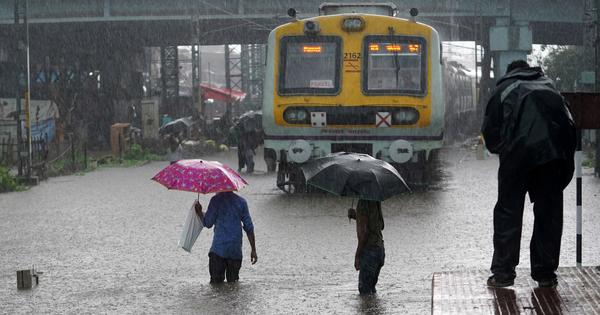
Indian cities create a lot of economic activity, but they do not keep much of the money connected to it.
The Union and state governments collect taxes from companies, workers, fuel and purchases.
Cities mainly depend on money and tax powers given to them by state governments.
This makes it difficult for them to pay for roads, waste collection and other services.
The Constitution allows states to let cities collect certain taxes, but does not give cities direct taxation powers.
The article says this creates weak financial independence for city governments.
In Bengaluru, several different agencies control roads, water, transport and planning.
Because these agencies overlap, residents may not know which government to blame when a road is damaged or flooded.
The book argues that stronger local finances could make city services more responsive to residents’ needs.

Urban areas produce about 60% of India’s GDP, but municipal corporations generate only 0.4% of their own revenue.
The Union and state governments collect most taxes linked to urban economic activity, leaving cities with limited direct income.
Article 243X lets states authorize urban bodies to collect taxes, but does not give municipalities direct constitutional taxation powers.
India’s decentralization has provided city governments with responsibilities and staff but insufficient funds and limited autonomy.
Overlapping state-controlled agencies in Bengaluru create coordination problems and make accountability for basic services unclear.
- Who
- India’s urban local governments, alongside the Union and state governments that control most relevant taxation and transfers.
- What
- An excerpt from Fiscal Fables examines why Indian city governments remain financially weak despite urban areas generating about 60% of national GDP.
- Where
- Urban India, with examples from Delhi, Bengaluru, Kanpur and Tamil Nadu.
- When
- The cited municipal-finance figures come from the Reserve Bank of India’s 2024 annual report; no publication date for the excerpt is provided.
- Why
- Municipalities have limited direct taxation powers and depend heavily on state-controlled resources, producing weak fiscal autonomy and fragmented service delivery.
Key facts
- Urban share of GDP
- Urban areas account for about 60% of India’s GDP.
- Municipal self-generated revenue
- All municipal corporations combined generate only 0.4% in self-generated revenue, according to figures cited from the Reserve Bank of India’s 2024 annual report.
- Tamil Nadu comparison
- Municipal corporations’ tax revenue is 1.8% of the tax revenue raised by the Tamil Nadu government.
- Maharashtra comparison
- Among large states, Maharashtra is the only one identified as having municipal corporation revenue exceeding 10% of state government revenue.
- Constitutional provision
- Article 243X allows state governments to authorize urban local bodies to levy, collect and appropriate taxes, duties, tolls and fees.
- Three decentralization forms
- The article distinguishes de-concentration, delegation and devolution, with devolution providing the greatest local autonomy.
- Bengaluru agency structure
- The Greater Bengaluru Authority handles roads and drains, while state-controlled agencies handle planning, water, sewerage and public bus transport.
Quotes
Devesh Kapur
Political scientist cited in the excerpt on the importance of fiscal foundations for state-building
“At the heart of state-building is a fiscal story.”
 scroll.in
Sources
Related news

Are Finance Commissions Undoing India's Constitutional Federal Design?

India’s Cities Face Funding Gap as Municipal Ratings Remain Scarce

Karachi Exposes Pakistan’s Deepening Governance and Liveability Crisis
Tamil Nadu Assembly passes resolution urging fair tax devolution

Mumbai Went Vertical as DLF Urged Smarter Cities Before 2047
UPSC Mains 2026 Revision: Top 15 Polity Topics Aspirants Need
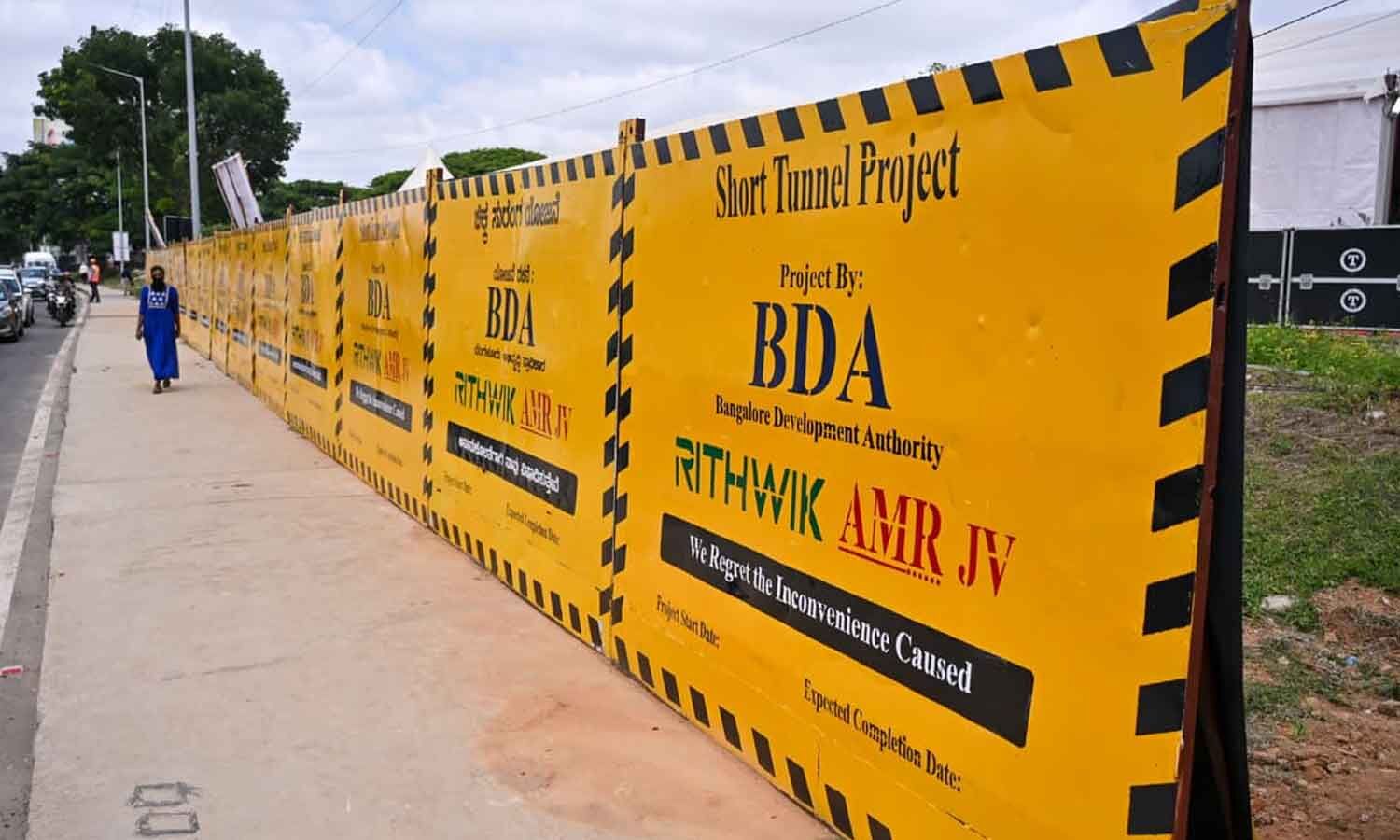
IISc Study Questions Cost and Traffic Benefits of Hebbal Tunnel
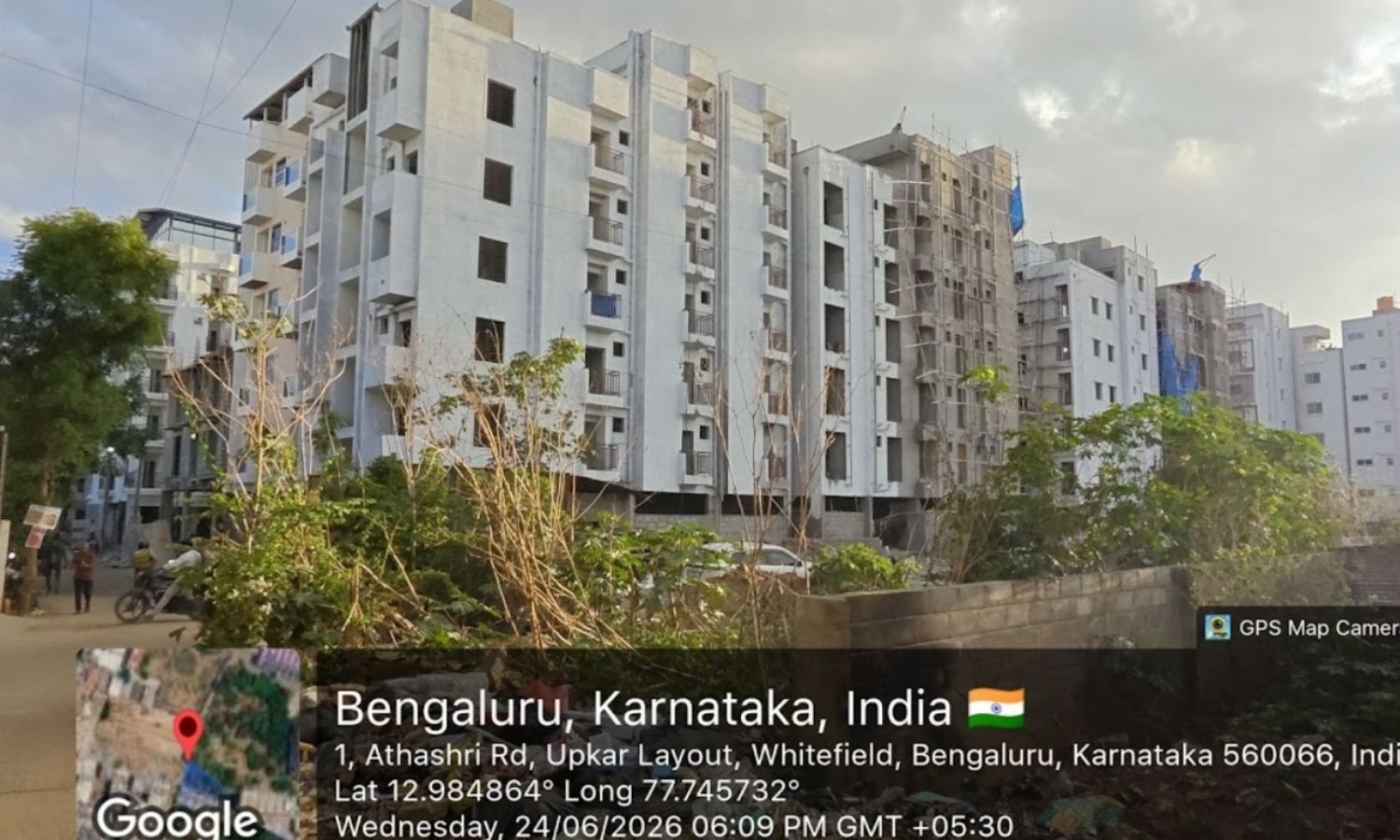
High Court Halts Alleged Unauthorised Whitefield PG Construction
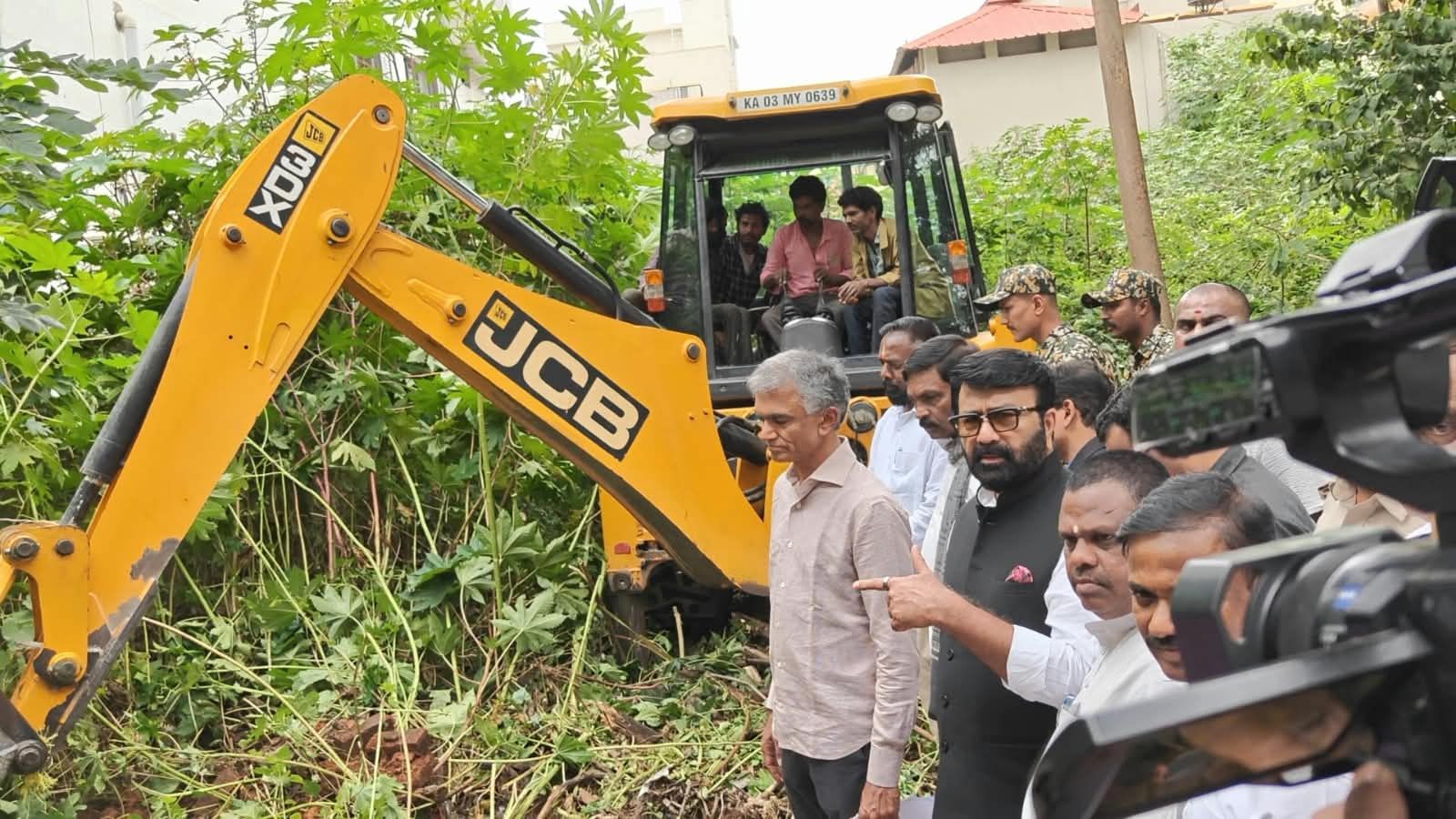
Bengaluru Begins Vacant Plot Cleanup as Owners Bear Costs

Karnataka Assembly Passes Three Bills Amid Opposition Protests