1 week ago
J&K Power Tariff Hike Puts Omar Government On Defensive
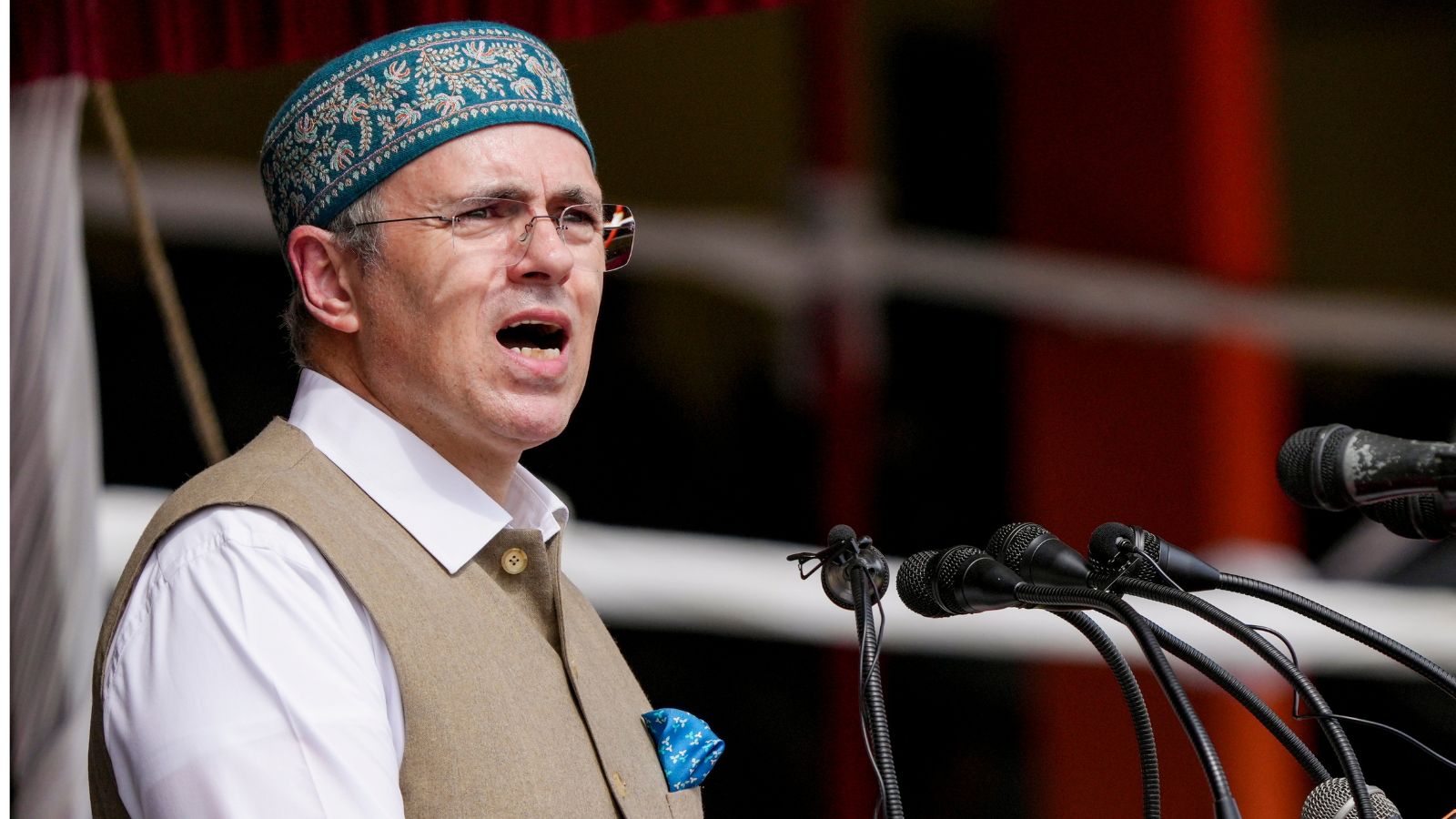
A regulator has approved a 6.83% increase in electricity prices in Jammu and Kashmir.
The new prices will apply from September 1, 2026, to March 31, 2027.
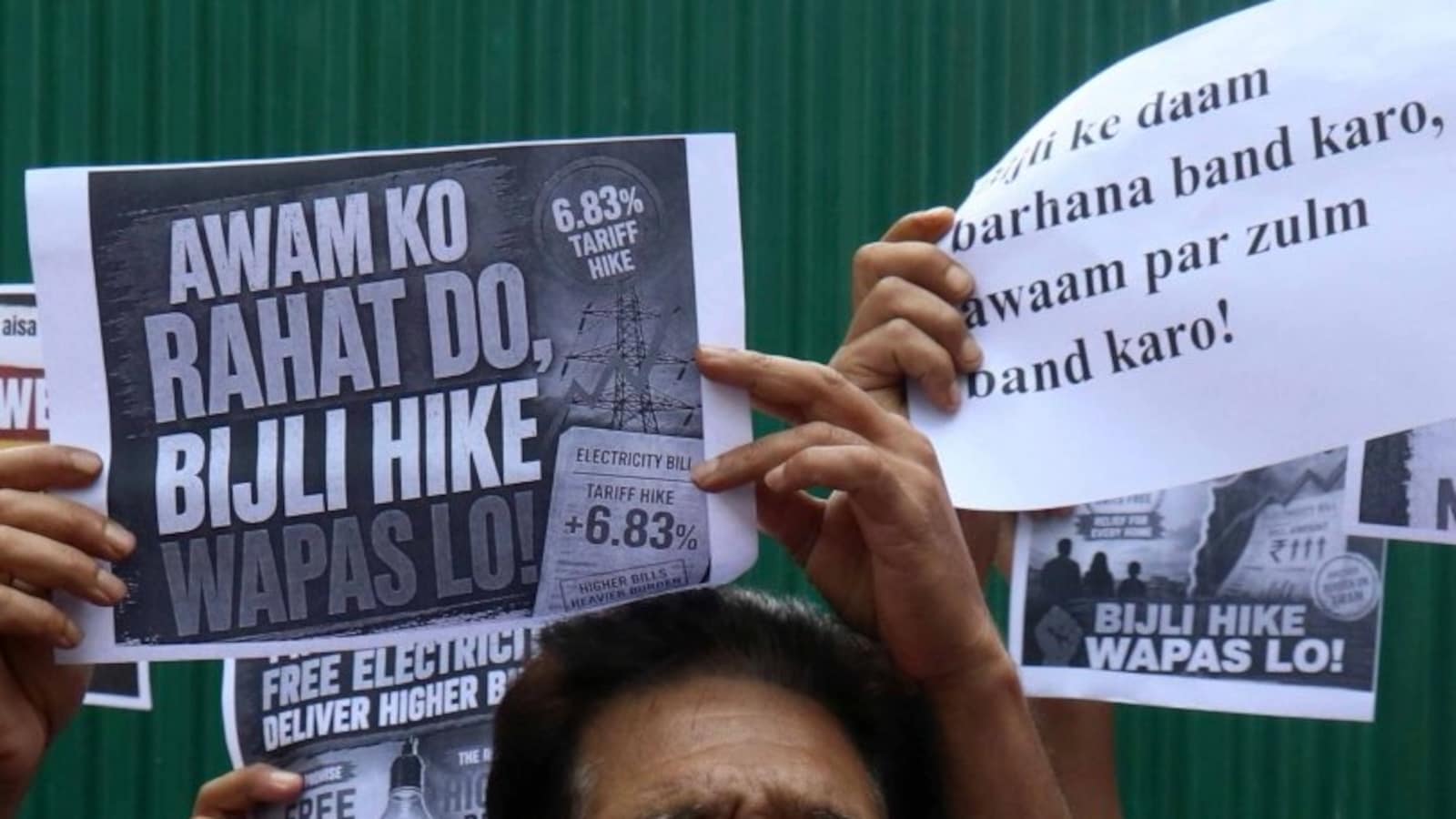
Opposition parties protested against the decision in Srinagar.
They said families are already dealing with rising costs.
They also said the government has not delivered its promise of 200 free electricity units for every household each month.
Some protesters asked the government to cancel the increase.
The National Conference said J&K electricity rates are lower than those in several northern states.
Sajad Lone said the increase could cost consumers more than Rs 500 crore in total.

The Joint Electricity Regulatory Commission approved an average 6.83% electricity tariff increase in Jammu and Kashmir.
The revised tariff will apply to consumption from September 1, 2026, through March 31, 2027.
PDP and Apni Party activists held separate protests in Srinagar against the increase.
Opposition parties demanded that the hike be withdrawn and that the government provide 200 free electricity units per household each month.
The National Conference defended the rates as comparatively low, while Sajad Lone alleged the hike would add more than Rs 500 crore to consumers’ costs.
- Who
- The Joint Electricity Regulatory Commission, the Omar Abdullah government, PDP and Apni Party protesters, the National Conference, and J&K Peoples Conference president Sajad Lone.
- What
- A 6.83% electricity tariff increase has prompted opposition protests and criticism over the government’s promise of 200 free electricity units.
- Where
- The protests took place in Srinagar, including near the General Post Office and at the Press Enclave near Pratap Park.
- When
- Protests were held on Monday; the revised tariff applies from September 1, 2026, to March 31, 2027.
- Why
- Opposition parties said the increase would burden consumers and demanded fulfillment of the 200-unit promise, while the National Conference defended J&K’s comparatively low tariffs.
Opposition Criticism
National Conference Defense
Financial impact
Opposition Criticism
The PDP, Apni Party, and Sajad Lone said the hike would add to the financial burden on households; Lone estimated an additional consumer burden of more than Rs 500 crore.
National Conference Defense
National Conference spokesman Imran Nabi Dar said J&K has lower average energy charges than Himachal Pradesh, Punjab, Haryana, and Delhi, and described the increase as lower than hikes in previous years.
200 free electricity units
Opposition Criticism
Opposition parties accused the Omar Abdullah government of failing to fulfill its election promise of providing 200 free electricity units to every household each month.
National Conference Defense
The National Conference’s stated defense focused on J&K’s comparatively low tariffs and did not announce fulfillment of the free-units promise.
Whether the hike should be withdrawn
Opposition Criticism
PDP and Apni Party protesters called for the tariff revision to be rolled back, saying electricity is an essential service and households are already facing rising costs.
National Conference Defense
The National Conference said the hike was not the first and would not be the last, while portraying it as comparatively modest.
Key facts
- Approved increase
- Average electricity tariff hike of 6.83%
- Effective period
- September 1, 2026, to March 31, 2027
- Regulator
- Joint Electricity Regulatory Commission (JERC)
- Initial government proposal
- The Power Development Department proposed a 5% increase across sub-categories
- Opposition demand
- Withdrawal of the hike and 200 free electricity units per household each month
- Government defense
- The National Conference said J&K has the lowest tariffs among the northern states cited
- Estimated consumer burden
- Sajad Lone alleged the hike would add more than Rs 500 crore to consumers’ costs
Quotes
Imran Nabi Dar
Chief spokesman of the ruling National Conference
“J&K has the lowest tariffs in every category among the northern states (Himachal Pradesh, Punjab, Haryana, and Delhi). No other state in comparison has lower average energy charges (Rs./kWh). The just announced power tariff hike by JERC is not the first and certainly not the last. This definitely is a lower hike in comparison with previous years”
 thestatesman.com
Sources
Related news
Omar Abdullah Defends J&K Electricity Hike Amid Opposition Protests

J&K Electricity Tariffs Rise 6.83% Amid Free Power Row

J&K Congress Chief Demands Rollback of 6.83% Electricity Tariff Hike
Altaf Bukhari Warns Omar Abdullah Over Kashmir Power Tariff Hike
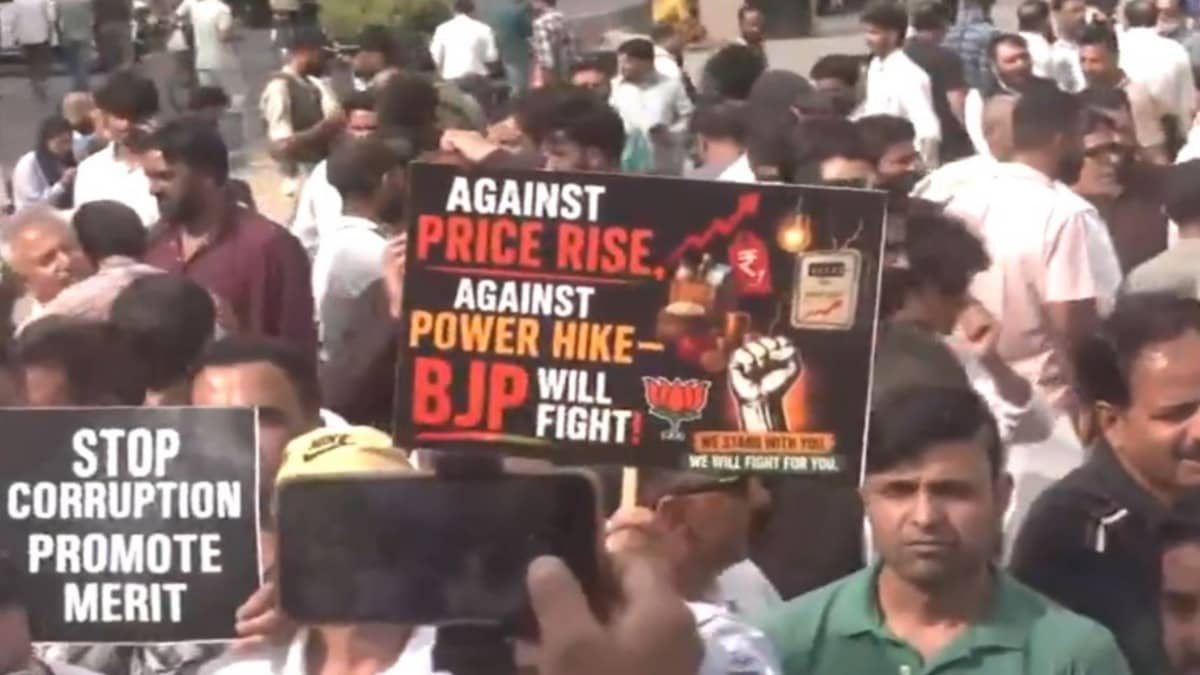
BJP Protests NC Govt Over Unemployment, Price Hike in J&K
Haryana Says Ayushman Bharat Health Services Continue Despite IMA Call

Private Hospitals Flag Ayushman Bharat Payment Delays and Claim Deductions

Haryana Records Highest SGST Growth Among States in 2026-27
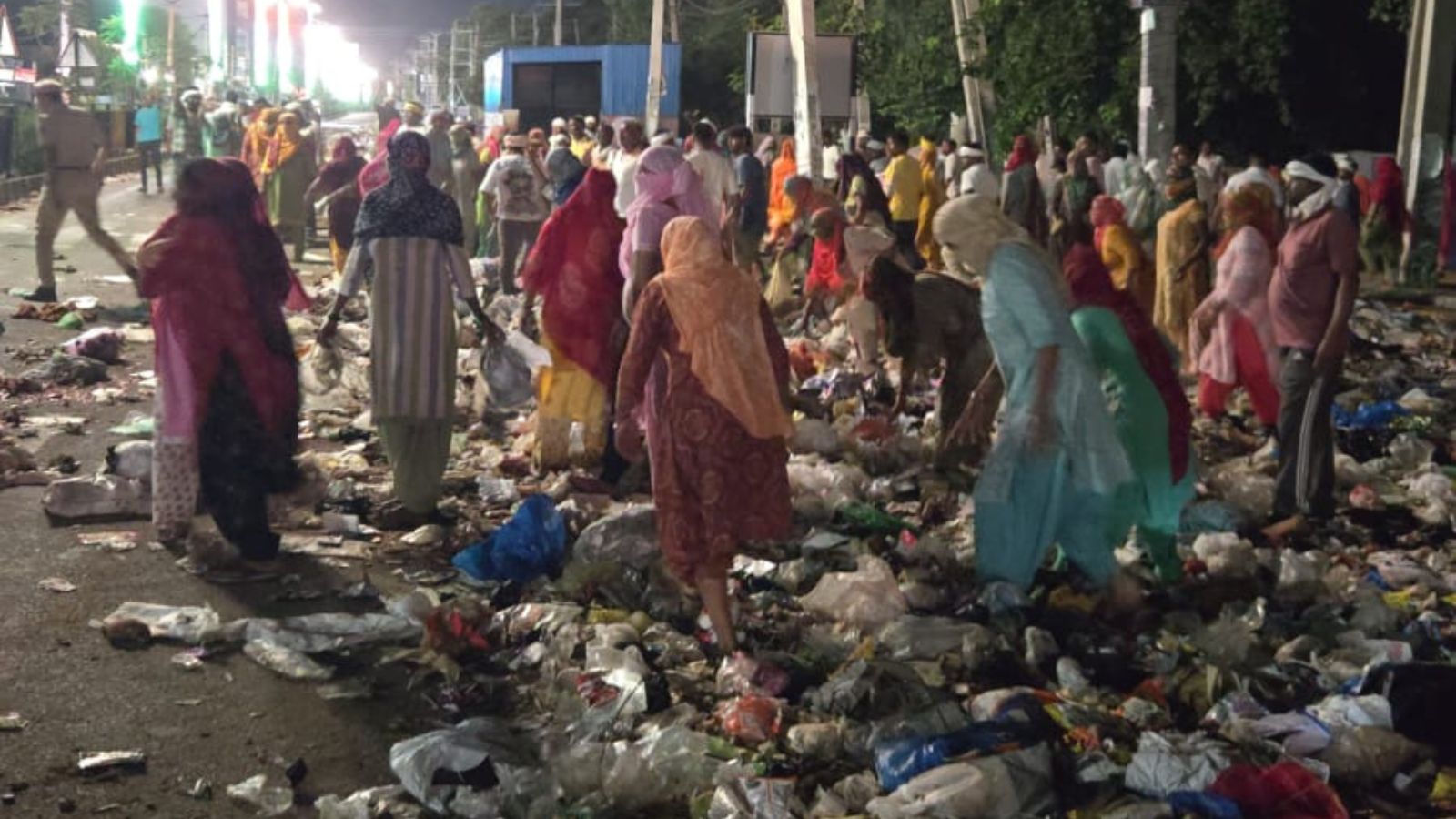
Haryana sanitation workers’ strike puts BJP government under pressure
Hooda Accuses Haryana Government of Evading Assembly Questions