1 week ago
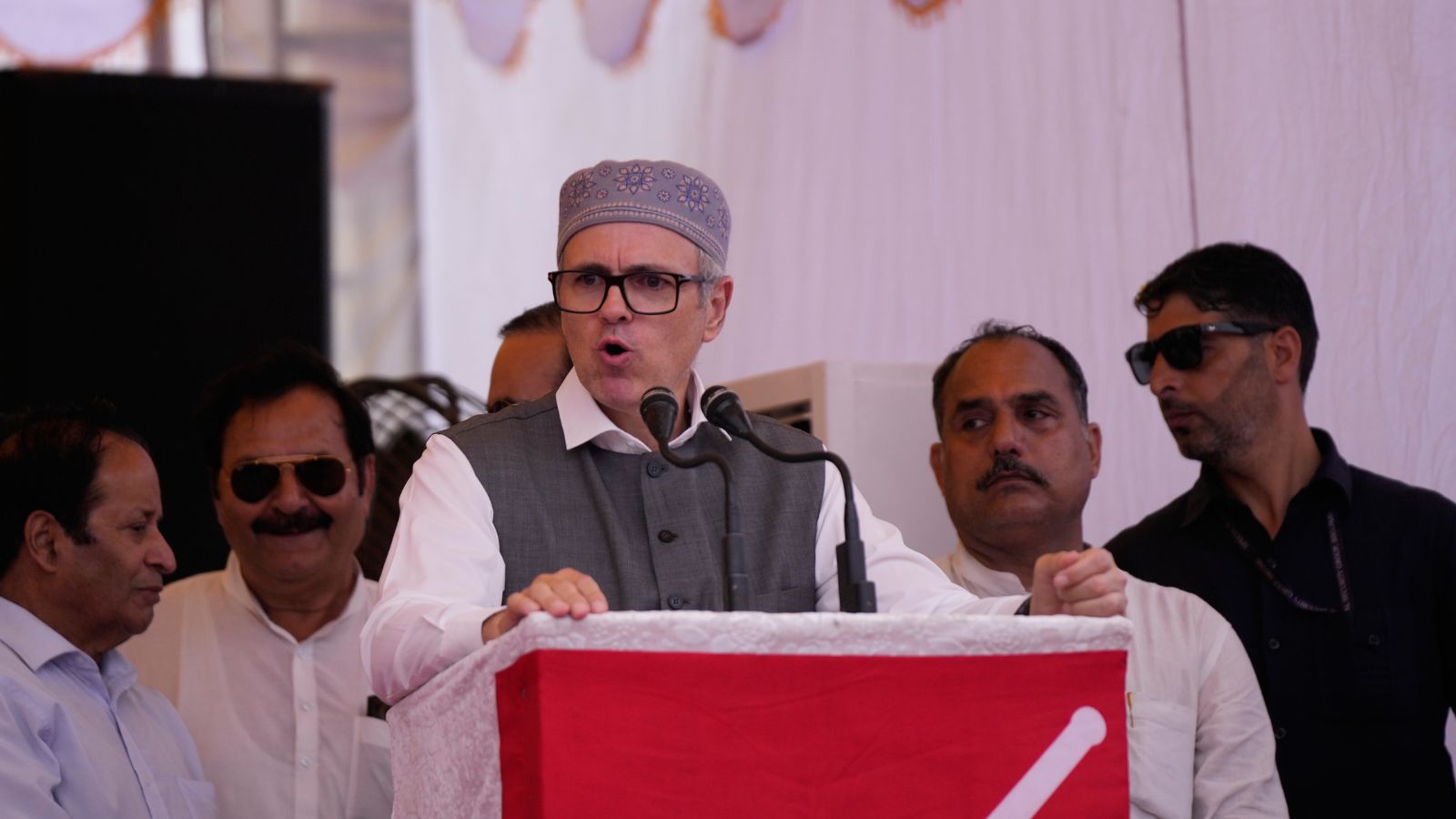
Omar Abdullah Defends J&K Electricity Hike Amid Opposition Protests
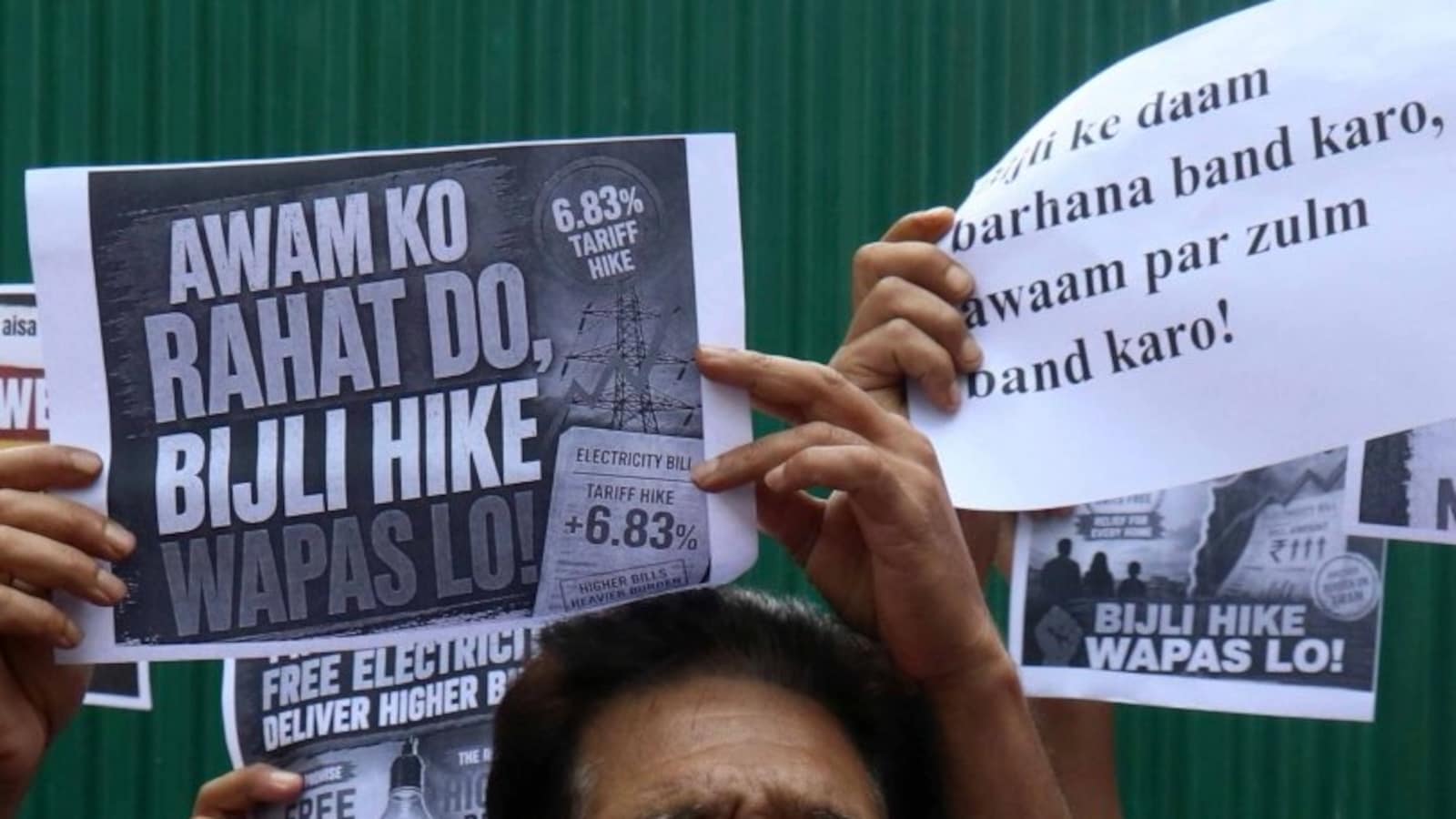
Electricity prices in Jammu and Kashmir and Ladakh are going up by an average of 6.83 percent.
The new rates apply to electricity used from September 1, 2026.
Chief Minister Omar Abdullah says the increase is needed because power companies are losing money and costs are rising.
He says his government promised 200 free units for the poorest families through solar power, not free electricity for every household or a complete price freeze.
Opposition parties and some groups that support the government say this breaks what voters were promised.
They want the price increase cancelled.
The electricity regulator found that the power companies had a large gap between their costs and income.
Government subsidies and grants will cover much of the gap, making the increase smaller than it might otherwise have been.
Businesses and consumers worry that higher bills will make living costs harder to manage.

JERC approved an average 6.83% electricity tariff increase for J&K and Ladakh from September 1, 2026.
Omar Abdullah called the hike a compulsion caused by inflation, rising costs and power-sector losses.
Abdullah said his promise was 200 free units for the poorest households through a solar scheme, not a tariff freeze.
Opposition parties, Congress, allies and consumer groups accused the government of breaking its free-electricity promise and demanded a rollback.
JERC cited a Rs 2,922.85 crore revenue gap, with subsidies and grants keeping the increase below a potential 40%.
- Who
- Jammu and Kashmir Chief Minister Omar Abdullah, the Joint Electricity Regulatory Commission, opposition parties, Congress leaders, trade bodies and consumers.
- What
- An average 6.83% electricity tariff increase was approved, triggering protests and accusations that the government broke its free-electricity promise.
- Where
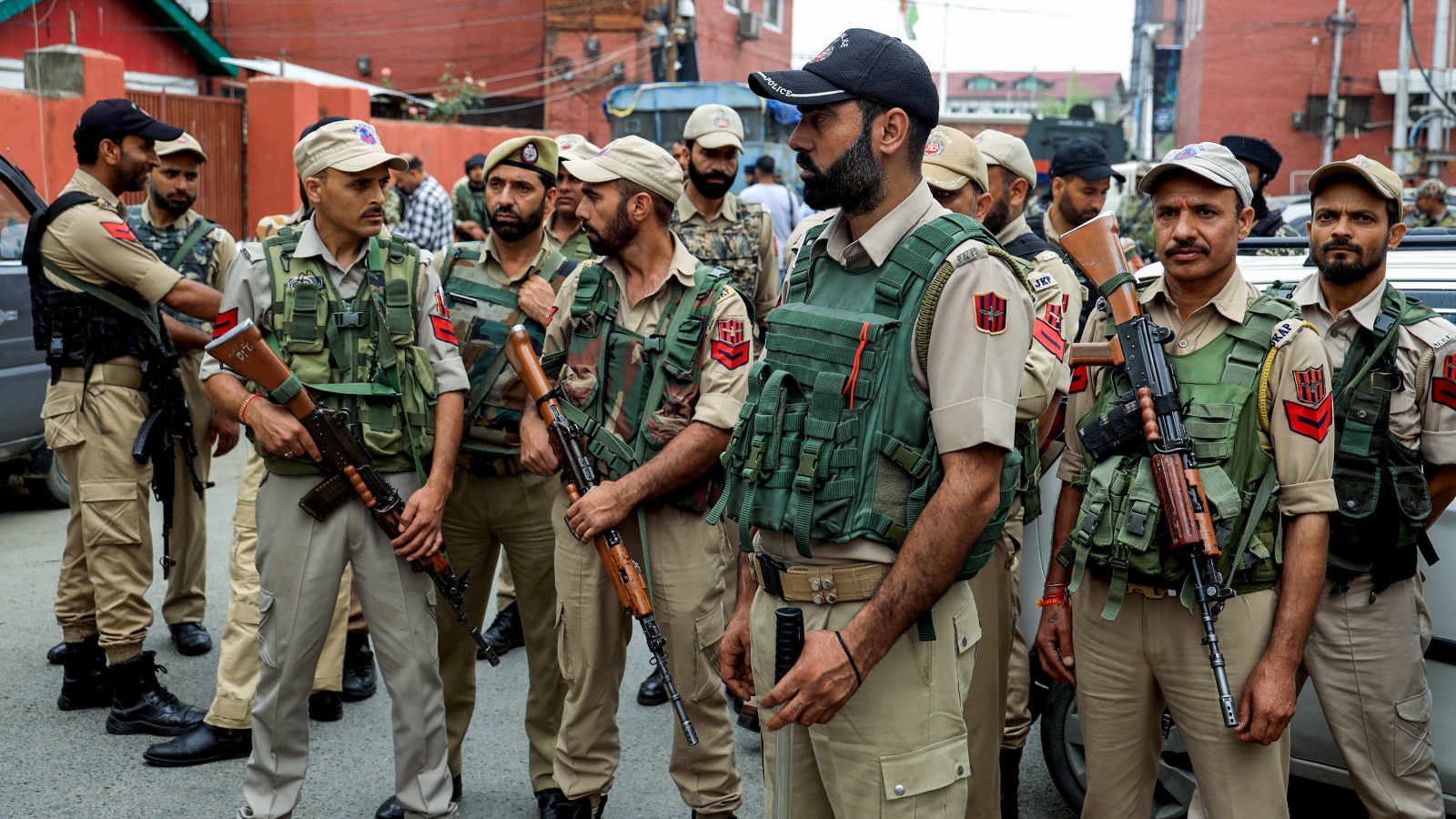
- Jammu and Kashmir and Ladakh; protests were reported in Srinagar and other locations.
- When
- The revised rates apply to electricity consumed from September 1, 2026, during financial year 2026–27.
- Why
- JERC cited a Rs 2,922.85 crore revenue gap, while the government cited inflation, rising electricity costs and structural losses in the power sector.
Government and Regulators
Opposition, Allies and Consumers
Need for the increase
Government and Regulators
Abdullah said inflation, rising commodity and electricity costs, and sectoral losses made a modest increase unavoidable. JERC said covering the full revenue gap through tariffs would have required an untenable 40% increase.
Opposition, Allies and Consumers
Opposition parties, Congress leaders, trade bodies and consumers said higher bills place an unjustified burden on households and businesses and demanded an immediate rollback.
Meaning of the free-electricity promise
Government and Regulators
Abdullah said the government never promised a general tariff freeze and that its pledge was limited to 200 free units for the poorest households through a solar-based scheme.
Opposition, Allies and Consumers
The opposition and critics said the National Conference had promised 200 free units to every household and accused the government of replacing election relief with higher bills.
Responsibility for tariff increases
Government and Regulators
Abdullah said earlier governments had raised tariffs by 14% and 15%, while his government approved an increase of about 6% after a four-year gap.
Opposition, Allies and Consumers
Critics, including BJP, PDP, Apni Party and Congress representatives, said the current increase was a betrayal of voters and would worsen the cost of living.
Key facts
- Tariff increase
- Average 6.83% for financial year 2026–27.
- Effective date
- Applies to electricity consumed from September 1, 2026.
- Distribution companies
- Jammu Power Distribution Corporation Limited and Kashmir Power Distribution Corporation Limited.
- Annual revenue requirement
- JERC assessed the combined requirement at Rs 10,275.72 crore.
- Projected revenue
- Existing tariffs were projected to generate Rs 7,352.87 crore, leaving a Rs 2,922.85 crore gap.
- Government support
- JERC factored in Rs 2,420.78 crore in subsidy under Section 65 of the Electricity Act, 2003, with the remaining shortfall covered through grant-in-aid.
- Free-electricity pledge
- Abdullah said the commitment was 200 free units for the poorest households through a solar-based scheme.
Quotes
Tariq Hamid Karra
Chief of the Jammu and Kashmir Pradesh Congress Committee
“The government must remember that electricity is not a luxury, it is an essential service. The people of Jammu and Kashmir deserve affordable and reliable power, not ever-increasing bills. The Congress will stand firmly with the people and oppose every measure that places an unjustified financial burden on them.”
 NDTV
NDTV
“The NC government promised 200 units of free electricity to every household. But instead of fulfilling that commitment, people are now facing an increase in electricity tariffs. This is not relief, it is a betrayal of the trust placed in the government.”
NDTV
Sources
Related news
J&K Power Tariff Hike Puts Omar Government On Defensive

J&K Electricity Tariffs Rise 6.83% Amid Free Power Row

J&K Congress Chief Demands Rollback of 6.83% Electricity Tariff Hike
Altaf Bukhari Warns Omar Abdullah Over Kashmir Power Tariff Hike
BJP Protests NC Govt Over Unemployment, Price Hike in J&K

Rival NC-BJP Protests Roil J&K as Police Halt Marches
Omar Abdullah Alleges Unequal Treatment of Srinagar Political Protests
BJP, National Conference Hold Rival Protests Across Srinagar Streets
India Live Updates: J&K Protests, Court Hearing, Delhi Incidents