2 hrs ago
Supreme Court Urged to Rule Firmly on Voter Roll Revision

India regularly updates its voter lists to remove people who have died or moved away and add new voters.
This latest process is called SIR.
The Election Commission now plans a special drive to help people who were left out register.
Young and first-time voters will also be included.
A form that critics said made registration difficult will not be used in this drive.
The editorial says the earlier process may have unfairly excluded some groups and migrants.
It wants the Supreme Court to examine whether the process followed the law.
The goal is to make future elections, especially those from 2027 onward, fair and trustworthy.

The Election Commission has ordered a special enrolment drive in states and union territories where SIR has been completed.
The drive will target voters left out, young voters and first-time eligible voters.
Declaration Form 6, criticized for creating barriers through eligibility mapping, will not be used.
The editorial says SIR may have excluded eligible voters and calls for Supreme Court scrutiny of alleged procedural illegalities.
It also urges a ruling on whether legal immunity granted to the Election Commission is valid before the 2027 polls.
- Who
- The Election Commission, led by Chief Election Commissioner Gyanesh Kumar, and the Supreme Court are central to the issue; Opposition parties are also protesting.
- What
- The Election Commission has announced a corrective voter-enrolment drive while calls grow for judicial review of SIR and alleged irregularities.
- Where
- The process concerns India, including states and union territories where SIR has been completed, and specifically references West Bengal polls.
- When
- The special drive follows completion of SIR in some states and union territories; the editorial calls for action before polls from 2027 onward.
- Why
- The drive is intended to enrol voters left out of the rolls, while Supreme Court review is sought over claims that SIR unfairly excluded eligible voters and involved procedural illegality.
Election Commission’s corrective response
Editorial and Opposition concerns
Voter enrolment
Election Commission’s corrective response
The Election Commission has ordered a special drive to enrol voters left out of the rolls, including young and first-time eligible voters.
Editorial and Opposition concerns
Critics argue that SIR was fundamentally flawed and may have excluded eligible voters, groups, communities and migrants.
Use of registration forms
Election Commission’s corrective response
The Commission will not use Declaration Form 6 in the special drive, removing a requirement criticized as an obstacle to proving eligibility.
Editorial and Opposition concerns
The editorial says the earlier mapping and documentation process created procedural barriers and requires judicial examination.
Election credibility
Election Commission’s corrective response
The corrective drive could make the updating process fairer and more inclusive.
Editorial and Opposition concerns
The editorial says doubts about SIR have cast uncertainty on the credibility of recent state polls and wants the Supreme Court to rule on alleged illegalities and the Commission’s immunity.
Key facts
- Election Commission chief
- Gyanesh Kumar
- Corrective measure
- A special enrolment drive for voters left out, young voters and first-time eligible voters
- Form excluded from drive
- Declaration Form 6
- Estimated exclusions disputed
- The editorial says claims that 14 crore voters were left out may be exaggerated; it cites about 2.8 crore possible deaths and nearly twice that number unavailable at their registered residences.
- Main legal question
- Whether immunity granted to the Election Commission is lawful
- Political context
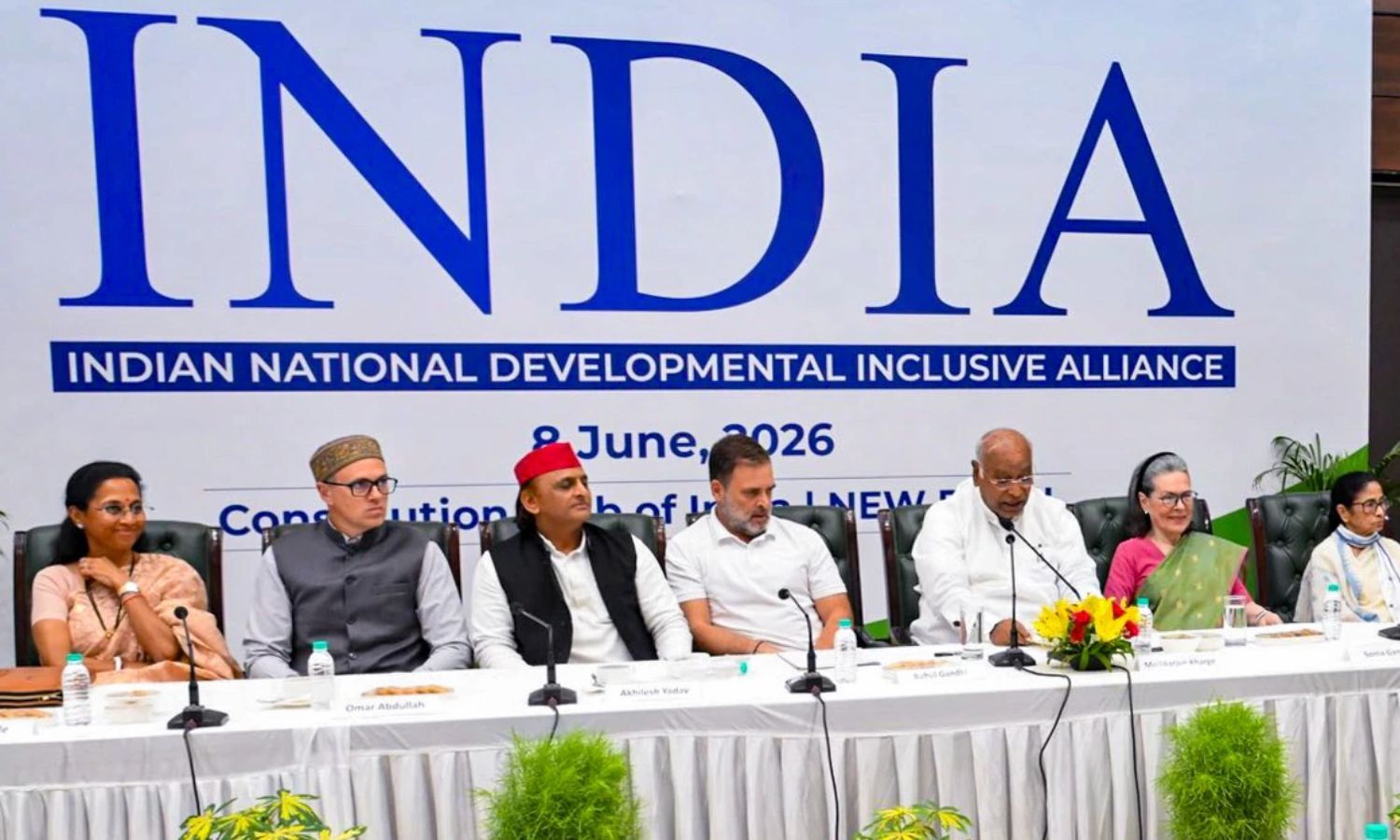
- Opposition parties are campaigning to remove the Chief Election Commissioner
- Future elections
- The editorial calls for clean and transparent polls from 2027 onward
Sources
Related news

Two Election Commissioners Raise 14 Objections Over SIR Decisions
Former election commissioner urges EC to scrap third SIR phase
Why the Supreme Court Did Not Stop India’s SIR
India's Controversial Electoral Roll Revision Faces Internal and Public Scrutiny
Tharoor Urges India to Rethink or Abandon Voter Roll Revision
Voter Questions Burden of Proof in India’s SIR Revision

Delhi Metro Reopens 12 Stations After Jantar Mantar Protest Call

Kolkata Left Parties Rally Against CEC, Electoral Roll Revision
Protests Demand CEC Gyanesh Kumar’s Resignation Over SIR
Opposition Bloc Launches Nationwide Save Democracy Protests Over Vote Rolls

Protests Over Electoral Roll S.I.R. Target Chief Election Commissioner