1 month ago
People Wrapping Wallets in Aluminium Foil to Block Wireless Theft
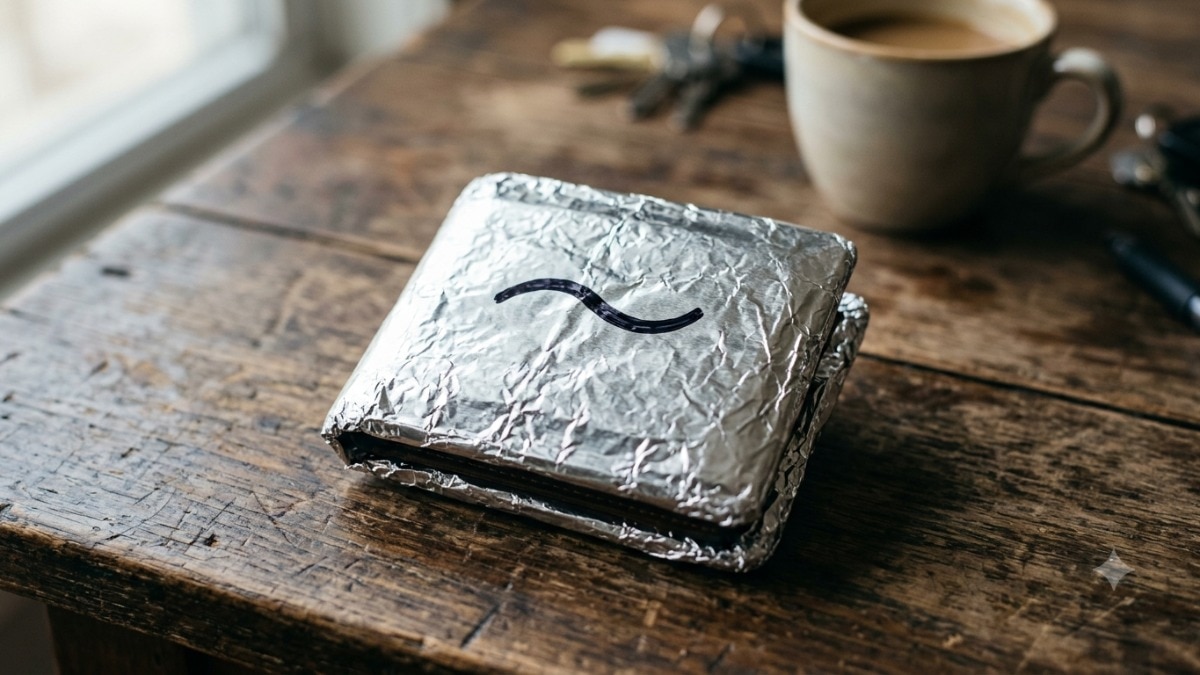
People are wrapping their wallets in aluminium foil to protect their personal information from being scanned wirelessly.
This method blocks radio-frequency signals, making it harder for RFID readers to communicate with the chips inside the wallet.
While it's not a perfect solution, it adds an extra layer of privacy.
Some government-issued IDs can be read from far away, posing a greater privacy risk than bank cards.
However, the risk of wireless theft is relatively low, and aluminium foil is not foolproof.

People are wrapping wallets in aluminium foil to block RFID signals.
RFID technology enables wireless communication in cards and documents.
Aluminium foil acts as a shield to prevent unauthorized scanning.
Government-issued RFID documents can be read from longer distances.
The method is not foolproof but adds an extra layer of privacy.
- Who
- People concerned about wireless theft and privacy.
- What
- Wrapping wallets in aluminium foil to block RFID signals.
- Where
- Globally, particularly in regions with advanced RFID technology.
- When
- Currently, as a response to growing privacy concerns.
- Why
- To prevent unauthorized scanning of RFID-enabled cards and documents.
Proponents of Aluminium Foil
Skeptics of Aluminium Foil
Effectiveness
Proponents of Aluminium Foil
Aluminium foil effectively blocks RFID signals, protecting personal information from unauthorized scanning.
Skeptics of Aluminium Foil
Aluminium foil is not foolproof and may not block all RFID signals, leaving some vulnerabilities.
Convenience
Proponents of Aluminium Foil
Wrapping wallets in aluminium foil is a simple and cost-effective method to enhance privacy.
Skeptics of Aluminium Foil
The method is inconvenient and impractical for daily use, and may not be necessary given the low risk of wireless theft.
Key facts
- RFID Technology
- Radio Frequency Identification (RFID) technology enables wireless communication between devices.
- Aluminium Foil
- A conductive metal that can block or weaken radio waves when wrapped around a wallet.
- Enhanced Driver's Licences
- RFID-enabled IDs that can transmit unique identification numbers over long distances.
- ACLU of Washington
- Highlighted privacy concerns regarding RFID-enabled IDs.
- Contactless Cards
- Debit and credit cards that use NFC technology for tap-and-pay transactions.
Sources
Related news

Parvez, Bhuvaneshwari Lead A2H Children’s Chess Tournament Winners

Bodhana Sivanandan, Shreyas Royal Make Chess History at British Championships

Telangana Schools Begin Disability Screening, Green Ratings Across State

MVSR and Matrusri Engineering Colleges Celebrate Graduation Day 2026

Manslaughter Killers Barred From Early Release After Intervention

Simple Aluminium Foil Hack Helps Reduce Kitchen Sink Splashes
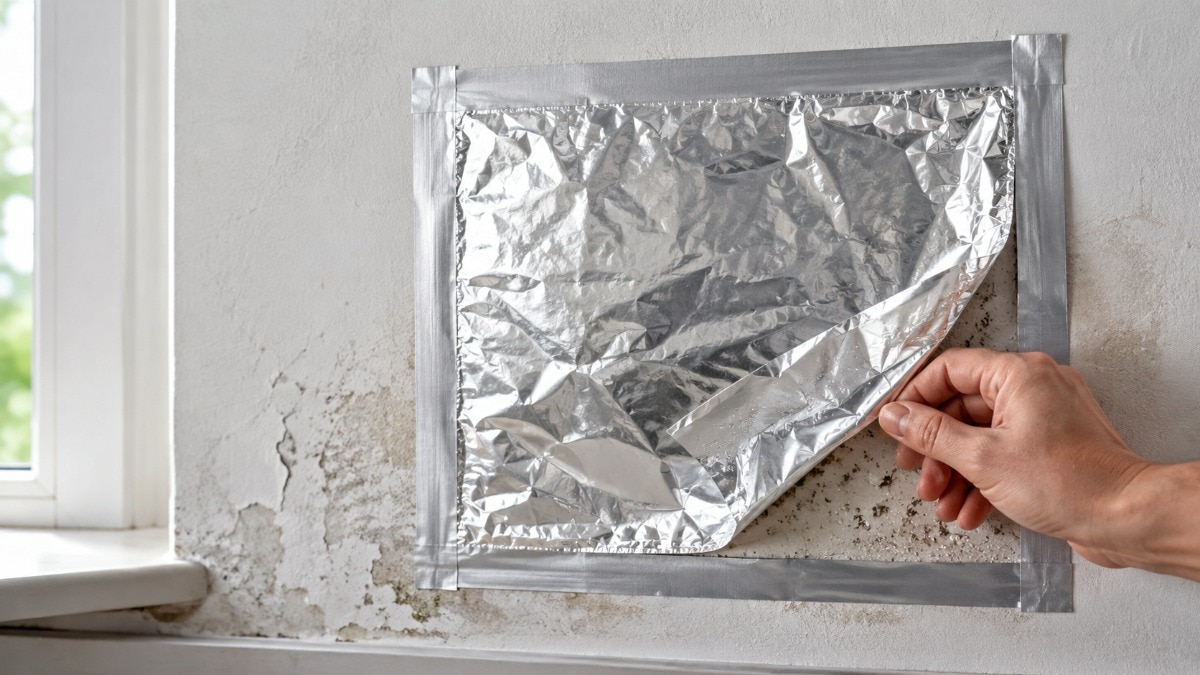
Aluminium Foil Test Offers Quick Check for Damp Walls

EU to Limit Aluminum Scrap Exports for Decarbonization