6 days ago
Simple Aluminium Foil Hack Helps Reduce Kitchen Sink Splashes
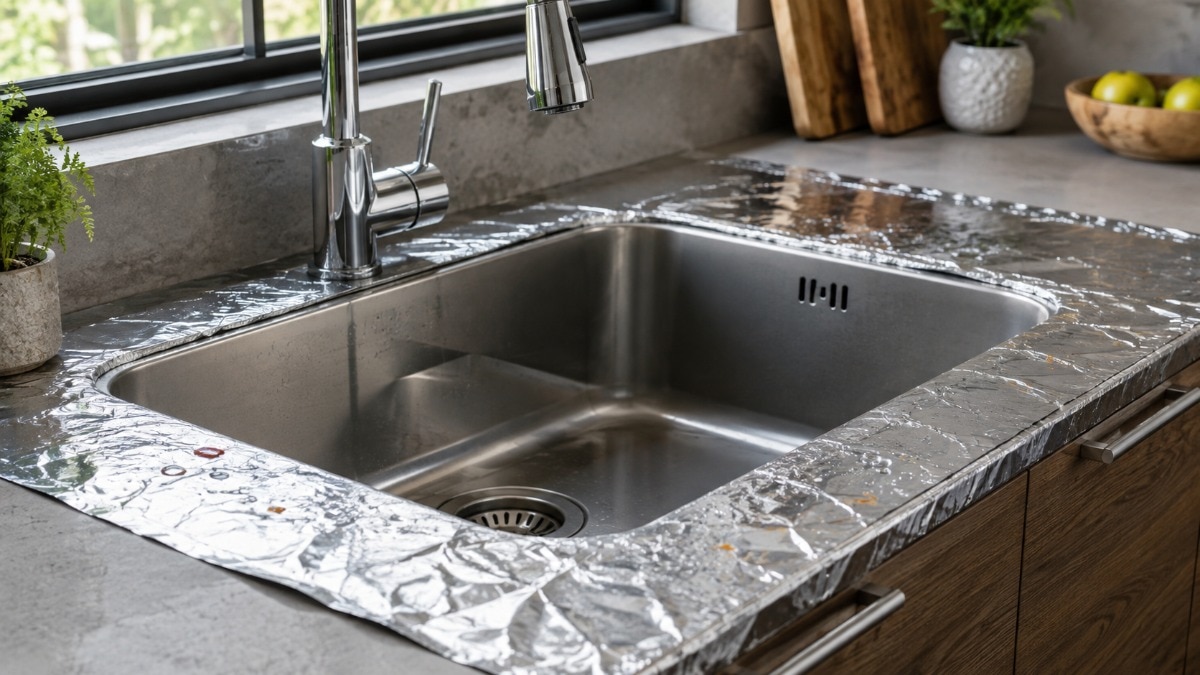
Aluminium foil can be placed near a kitchen sink to catch some splashes and food bits.
First, the sink and nearby surfaces should be cleaned and dried.
The foil should cover only the area that gets splashed often.
It must not cover the drain or water outlet.
Pressing it flat helps stop loose edges from catching on things.
Replace the foil when it gets wet, greasy, torn or dirty.
Do not put it near flames or hot surfaces.
Regular cleaning is still necessary because foil is only a temporary protective layer.

Clean and dry the sink, countertop and surrounding area before placing foil.
Use a sheet large enough to cover splash-prone areas without blocking the drain or water outlet.
Press the foil flat and remove it when it becomes wet, greasy, torn or dirty.
The foil can temporarily collect water, food particles and small spills, potentially making cleaning easier.
Keep foil away from flames and heat, and never use it as a substitute for regular cleaning.
- Who
- The article addresses people seeking a simple way to protect areas around a kitchen sink.
- What
- It describes using aluminium foil as a temporary protective layer near the sink.
- Where
- Around the kitchen sink, countertop and nearby splash-prone surfaces.
- When
- The foil should be removed when it becomes wet, greasy, torn or dirty; no publication date is specified.
- Why
- To collect some water, food particles and small spills and potentially make routine cleaning easier.
Key facts
- Primary purpose
- Temporary protection against sink splashes, food particles and small spills.
- Preparation
- Clean and dry the sink, countertop and surrounding surfaces first.
- Placement
- Cover the splash-prone area without obstructing the drain or water outlet.
- Replacement
- Remove the foil when it is wet, greasy, torn or dirty.
- Cleaning requirement
- The foil does not replace regular sink and countertop cleaning.
- Heat warning
- Keep aluminium foil away from gas burners, open flames and other high-temperature surfaces.
Sources
Related news
Aluminium Foil Fridge Shelf Trick Keeps Kitchen Surfaces Fresh
Aluminium foil hack saves hours of fridge-shelf scrubbing
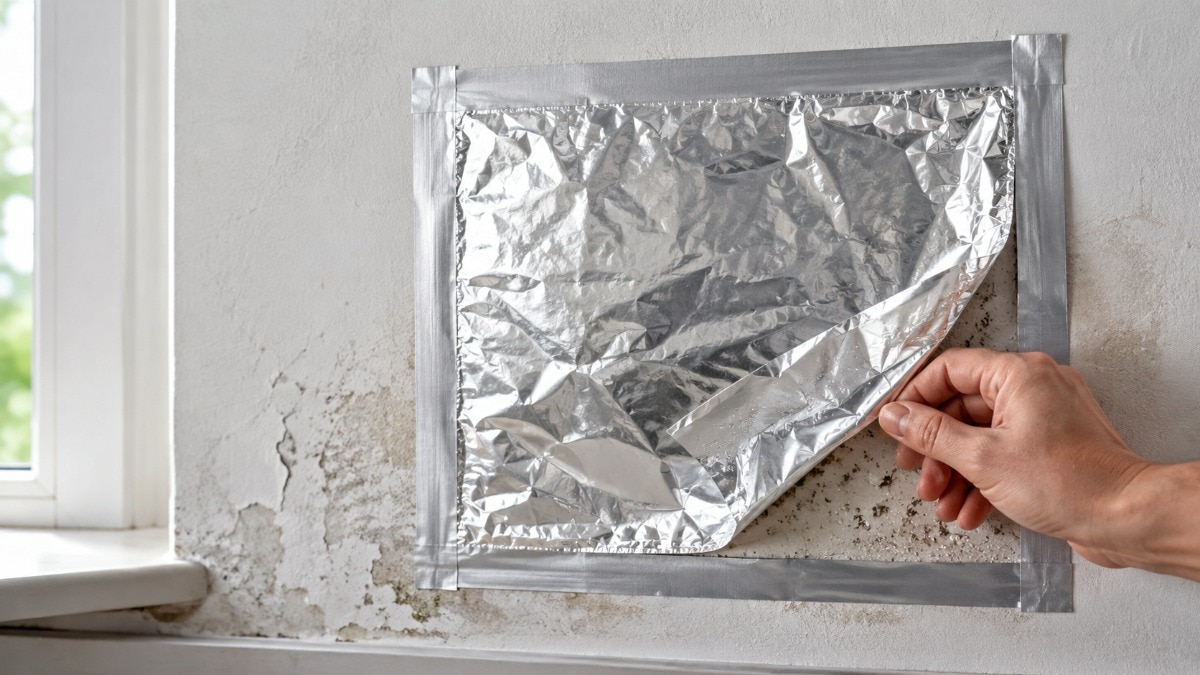
Aluminium Foil Test Offers Quick Check for Damp Walls
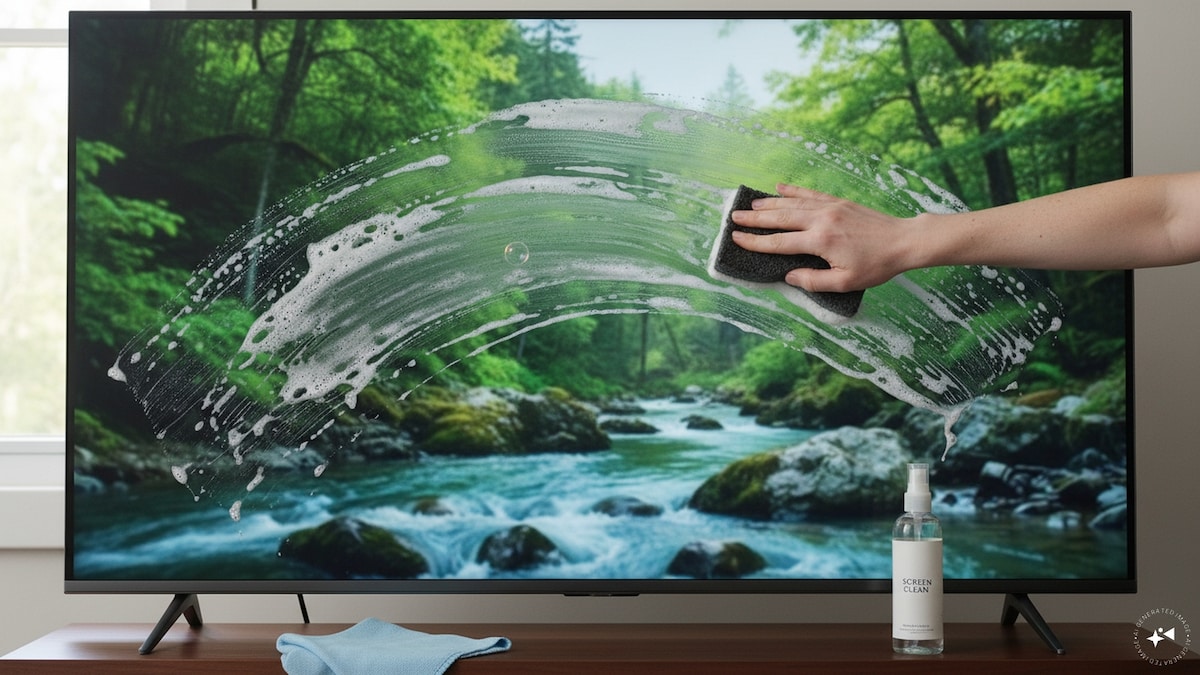
How to safely clean your TV screen without causing damage
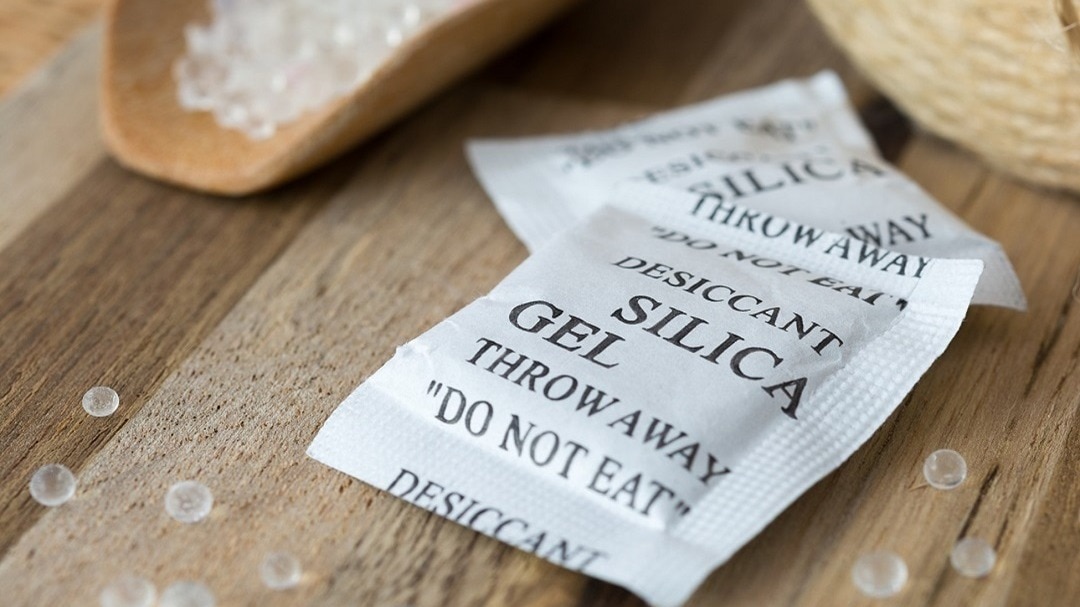
Silica gel packets: surprising uses to protect shoes and gadgets

Clean Car Headlights With These 5 Simple Monsoon Driving Tips
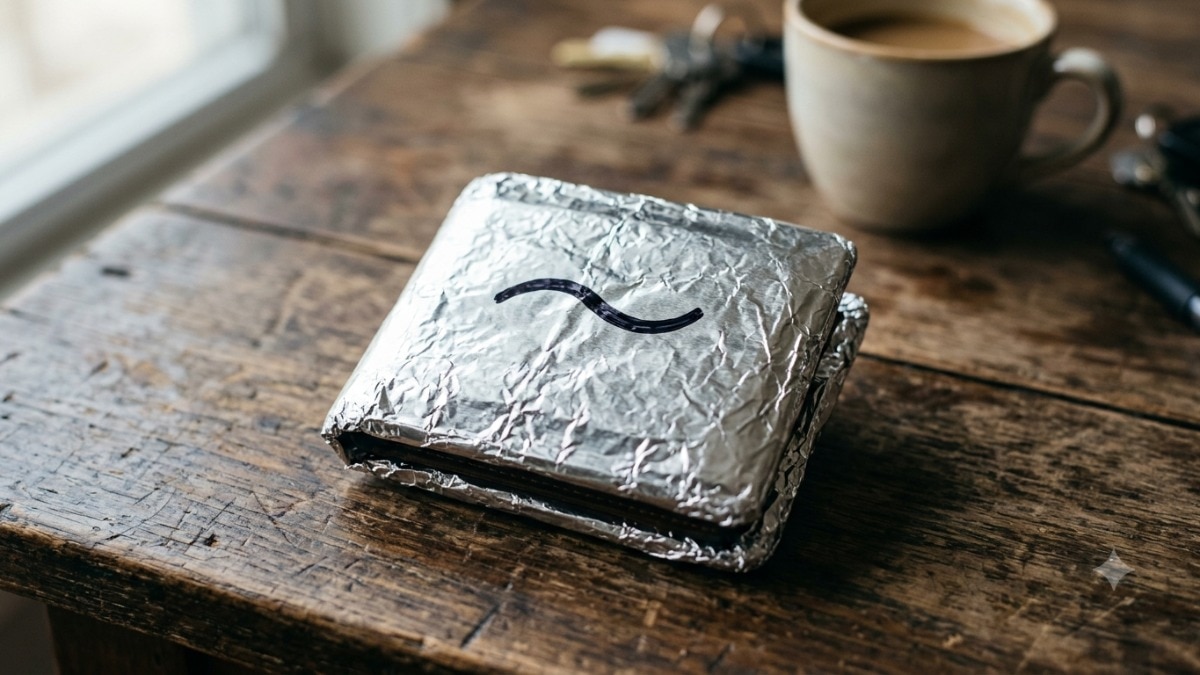
People Wrapping Wallets in Aluminium Foil to Block Wireless Theft

EU to Limit Aluminum Scrap Exports for Decarbonization