3 hrs ago
Wildlife Trafficking May Start With a Cute Post Online

Some people use social media to offer wild animals for sale.
The pictures can make the animals look like ordinary pets, but the animals may have been taken from the wild or moved illegally.
A Wildlife Trust of India campaign called ‘Scroll, Spot, Stop’ asks people to report suspicious posts.
It also tells people not to message sellers, bargain, or try to investigate on their own.
WTI says trained staff check information and share useful leads with government enforcement agencies.
Some reports can lead to quick action, although complicated cases may take longer.
Papers or permits do not always prove where an animal came from.
Traders can also move to private messages or different platforms, so reporting promptly can help.

A 2026 Wildlife Trust of India analysis identified more than 100 illegal pet-trade cases involving 109 species seized between 2019 and 2023; 79% of the species were exotic.
TRAFFIC and WWF-India recorded 342 pangolin seizure incidents involving at least 1,203 pangolins from 2018 to 2022; eight incidents involved online trade.
Wildlife Trust of India launched its ‘Scroll, Spot, Stop’ campaign in June 2026, urging people to report suspected online wildlife sales rather than contact sellers.
WTI says its teams assess online information and pass actionable leads to enforcement agencies, with some cases reportedly resulting in action within a day or a few days.
Experts caution that permits alone may not establish an animal’s lawful origin, while traders can shift posts to private chats, other platforms or coded communications.
- Who
- Wildlife Trust of India, people who encounter suspected wildlife-sale posts, and enforcement agencies.
- What
- WTI’s ‘Scroll, Spot, Stop’ campaign encourages people to report suspected online wildlife trade without contacting sellers.
- Where
- Online platforms in India; the article highlights seizures and cases across India, including the Northeast.
- When
- The campaign launched in June 2026; the article also cites seizure data from 2018–2023.
- Why
- To help turn online information about suspected wildlife sales into leads for enforcement agencies and help prevent trade.
Campaign and enforcement view
Challenges and limits
Reporting online posts
Campaign and enforcement view
WTI says public reports can provide leads that trained teams assess and pass to enforcement agencies, potentially enabling rapid action.
Challenges and limits
Posts can disappear, accounts can change, and traders can move conversations to private or encrypted channels, making monitoring and action difficult.
Permits and legality
Campaign and enforcement view
WTI says it checks claims of legitimacy and encourages people to report suspicious listings rather than accept sellers’ claims.
Challenges and limits
WTI’s legal adviser says a CITES permit alone may not establish an animal’s lawful origin; documents may be fake or leave the animal’s origin unclear.
Platform responses
Campaign and enforcement view
WTI is seeking trusted-flagger status, which it says could help platforms assess unlawful content and remove it more quickly.
Challenges and limits
Removing a post in one place may not stop the trade: the content may remain accessible elsewhere or reappear through other accounts and platforms.
Key facts
- Campaign
- ‘Scroll, Spot, Stop’, launched by the Wildlife Trust of India in June 2026.
- Illegal pet-trade analysis
- WTI analysis under GITOC’s EcoSolve project covered seizures from 2019 to 2023.
- Species in analysis
- More than 100 cases involved 109 species; 79% of species involved were exotic.
- Regional finding
- About 65% of species confiscations in the WTI analysis took place in Northeast India.
- Pangolin seizure data
- TRAFFIC and WWF-India recorded 342 incidents from 2018 to 2022, involving at least 1,203 pangolins; eight incidents involved online trade.
- Other cited seizures
- The article reports 40 rare animals seized in Bengaluru in 2024 and 284 exotic animals intercepted in Mumbai in 2025.
- Reporting guidance
- Do not engage with sellers or investigate independently; report suspected sales for assessment and referral to enforcement agencies.
Quotes
Deeya Bhattacharjee
WTI officer leading the initiative
“Very recently, we received information from the Northeast where we got the video on day one and, on the next day, the person involved was arrested.”
 thebetterindia.com
“People do not need to become investigators. What we are asking them to do is report what they come across.”
thebetterindia.com
Sources
Related news

Baby Orangutans Expose India’s Hidden Wildlife Trafficking Trade
DRI Seizes Leopard Pelts, Tortoises and Tiger Bones
Odisha Orangutans Highlight Wildlife Trade and Repatriation Challenges

Orangutan Seizure Highlights India’s Expanding Illegal Primate Trade
DRI Dismantles Leopard Skin Syndicate in Maharashtra's Gondia
Odisha Orangutan Rescue Exposes India’s Exotic Primate Smuggling Network

Prakash Raj Announces Special Guest for Bengaluru Anti-SIR Protest
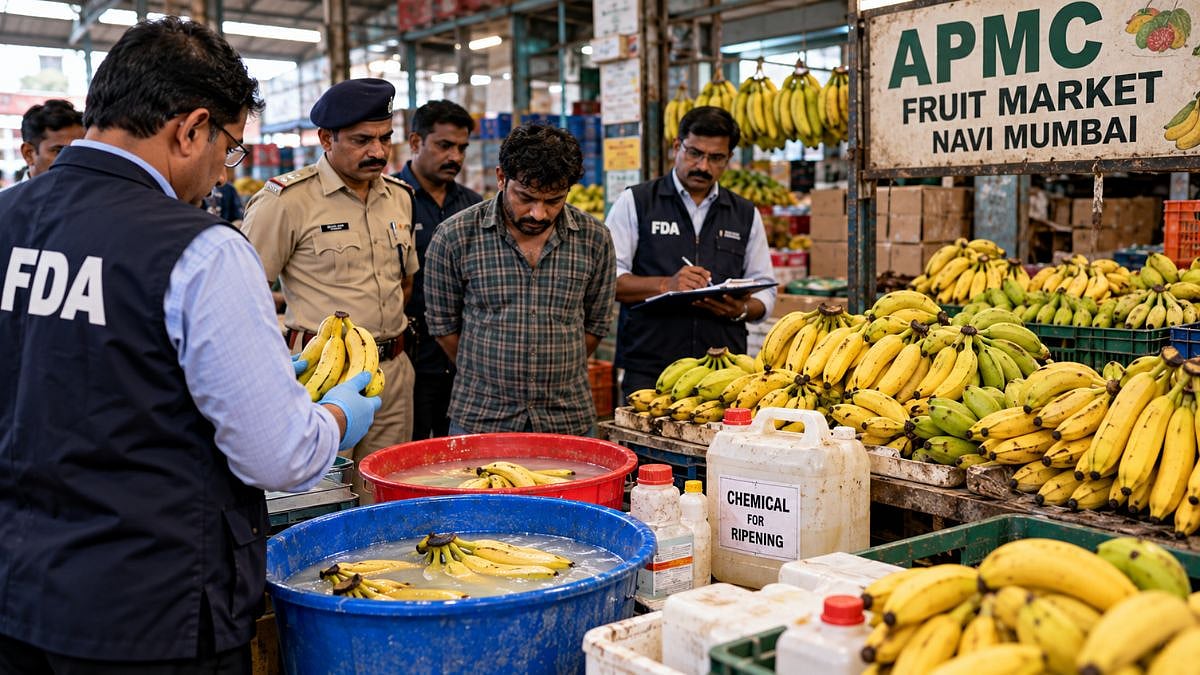
Navi Mumbai Police Arrest Man in Banana Chemical-Ripening Case

Two Transformer Explosions Injure Five in Bengaluru

Kumaraswamy Claims Sting Operation Forced Siddaramaiah From Chief Minister's Office