2 hrs ago
Choose Hair Loss Treatment by Identifying Its Root Cause

Hair can fall out for many different reasons.
Some people inherit hair loss, while others lose hair after stress, illness, poor nutrition, or scalp problems.
The way hair falls out can offer clues about the cause.
For example, thinning at the crown may be linked to genetics, while hair falling from all over the scalp may follow a stressful event.
Patchy bald spots can have an autoimmune connection.
Blood tests may help identify nutrient or thyroid problems.
Treatments such as minoxidil may help some causes but not all of them.
The safest approach is to find the likely cause with a professional before choosing a treatment.
The article also notes that it is sponsored content and that Mint does not take responsibility for its accuracy.

Hair loss can result from genetics, hormones, nutritional deficiencies, stress, autoimmune activity, or scalp problems.
A receding hairline or crown thinning may suggest genetic or hormonal hair loss, while diffuse shedding can indicate telogen effluvium.
Sudden patchy bald spots may be linked to alopecia areata, and itching, redness, or flaking may indicate scalp issues.
Iron, ferritin, vitamin D, zinc, B12, thyroid function, and nutrient absorption can affect hair health.
The article recommends professional assessment and combining internal care with suitable topical treatments rather than relying on generic products.
- Who
- People experiencing hair loss, along with professionals assessing its cause.
- What
- An explanation of how to select hair loss treatments according to the underlying cause.
- Where
- When
- Why
- Different causes of hair loss require different approaches, so identifying the cause can prevent ineffective treatment and wasted expense.
Key facts
- Possible causes
- Genetics, hormonal changes, nutritional deficiencies, scalp inflammation, chronic stress, autoimmune activity, illness, surgery, and crash dieting.
- Crown or hairline thinning
- May point toward hormonal or genetic causes.
- Diffuse shedding
- May suggest telogen effluvium, in which many follicles enter a resting phase together.
- Patchy bald spots
- May indicate alopecia areata, which has an autoimmune component.
- Potential health factors
- Iron, ferritin, vitamin D, zinc, vitamin B12, thyroid function, and nutrient absorption may affect hair loss.
- Topical treatment
- Minoxidil may help some people with androgenetic alopecia by extending the hair-growth phase.
- Editorial disclosure
- The article is part of Mint’s paid consumer connect initiative; Mint says it had no editorial involvement or responsibility for errors, omissions, or content accuracy.
Sources
Related news

Different Hair Loss Causes Require Different Treatment Approaches
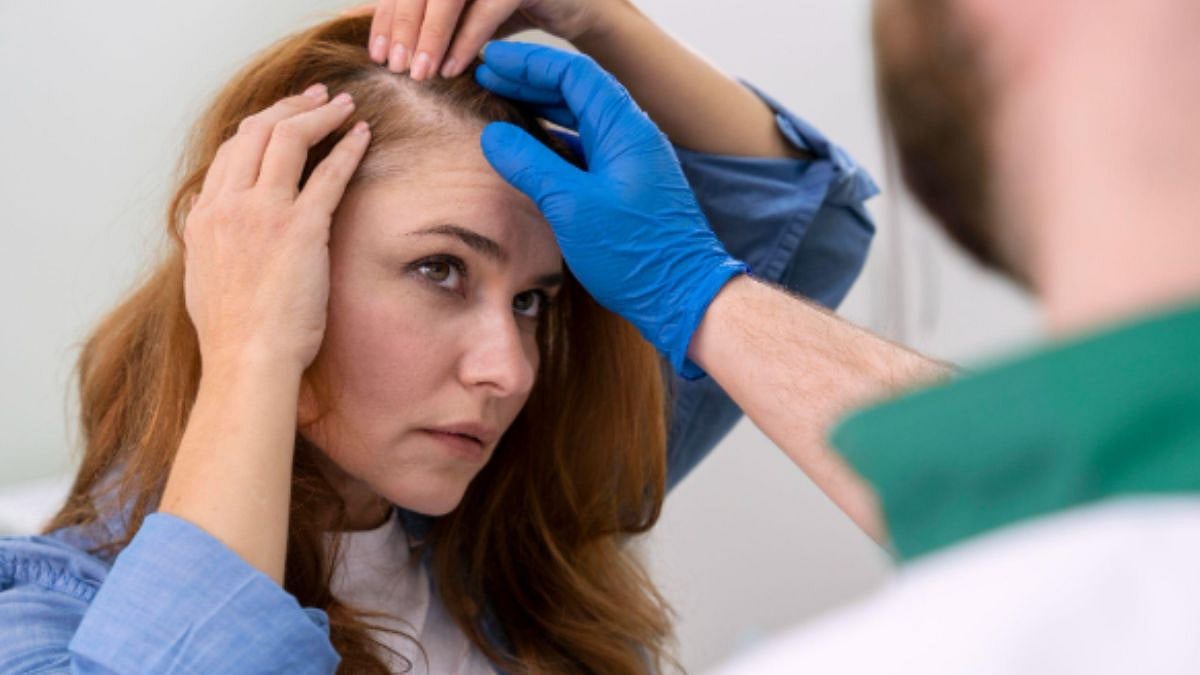
What Determines the Cost of Hair Loss Treatment?
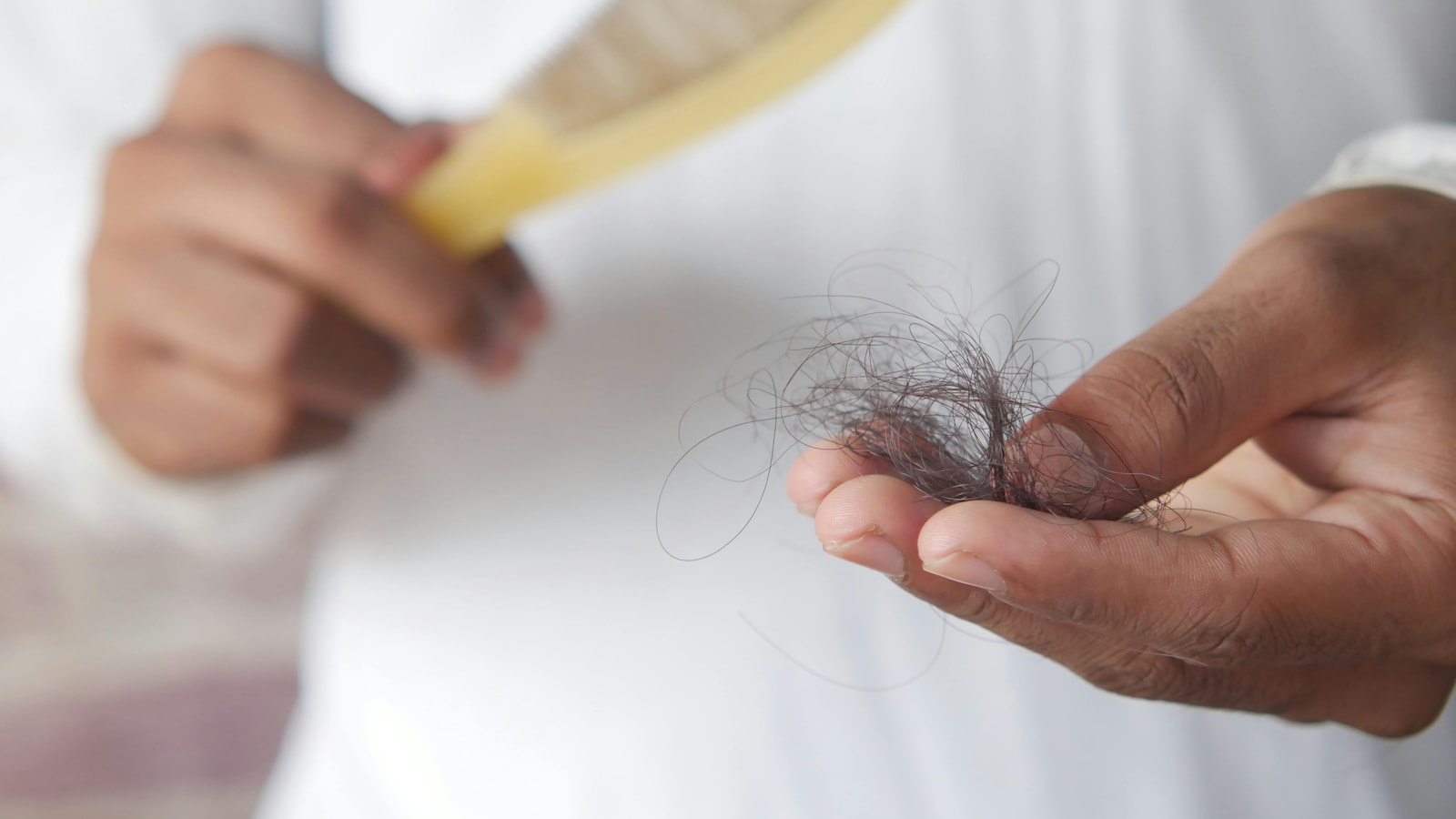
Nutrient Deficiencies May Contribute to Worsening Hair Loss
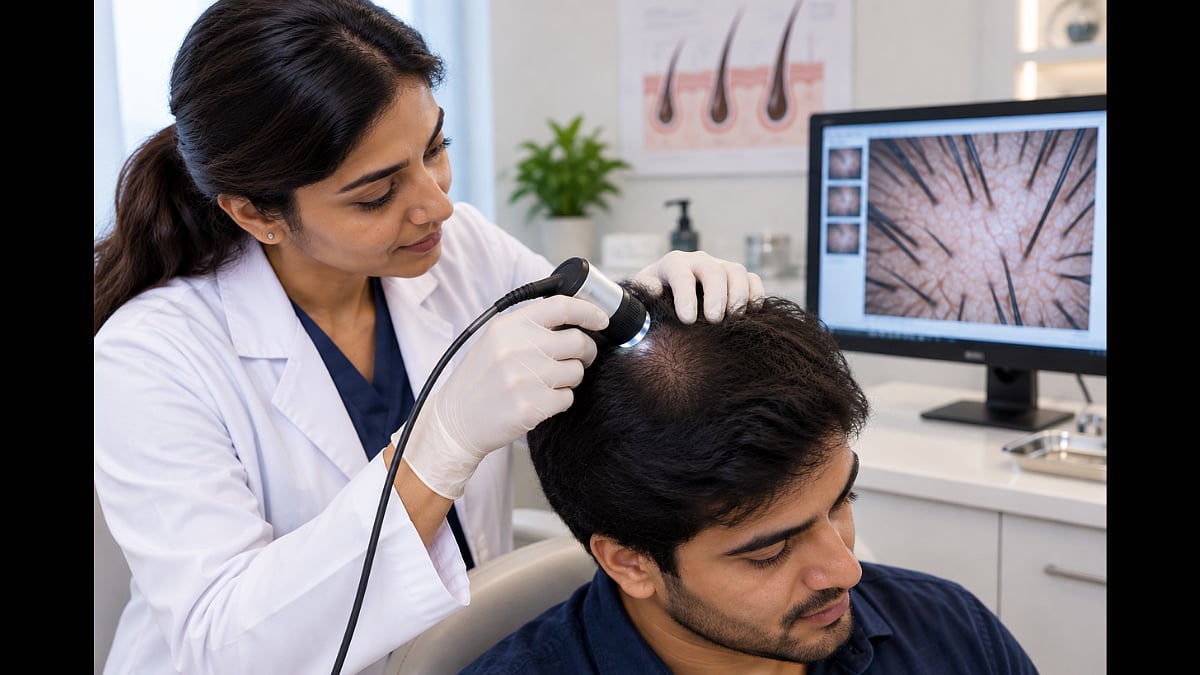
What Men Should Know Before Starting Minoxidil for Hair Loss

Patients Urged to Compare Hair-Loss Treatment Options Carefully
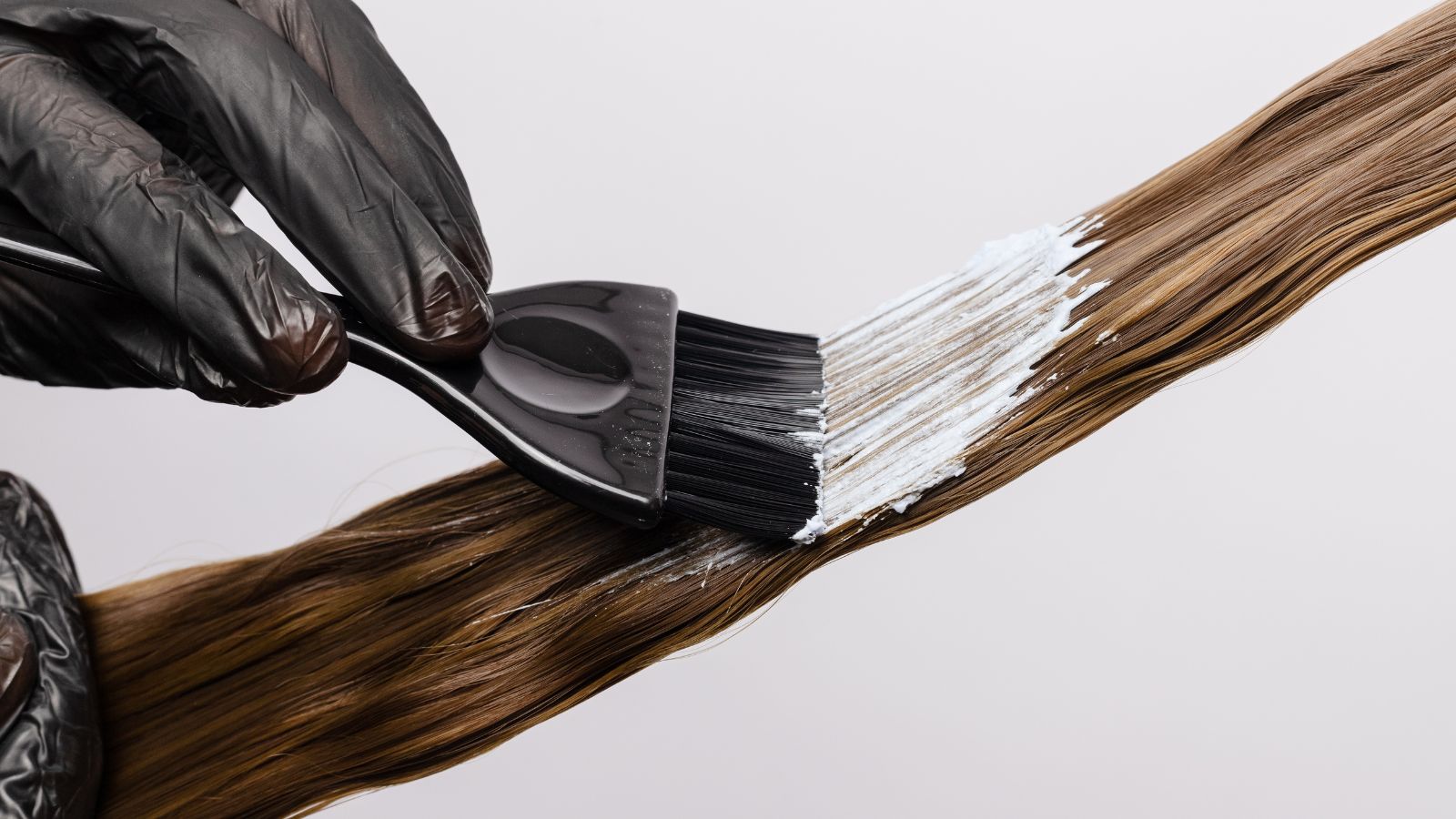
Hair Spas Improve Hair Quality, Not Underlying Hair Fall
Hair Loss Drug Boom Sends Biotech Stocks Toward Next Ozempic

Popular Hair Restoration Treatments Compared: What Works and Why