

1 month ago
Banks Offload Leveraged ETF Risk with Crash Puts

Leveraged ETFs are like super‑fast money makers that try to double or triple the daily gains of a single stock.
Because they can swing wildly, the banks that help run them can lose a lot of money if the stock crashes.
To protect themselves, banks sell special insurance contracts called “crash puts” that pay out when a stock falls more than 50% in one day.
These crash puts have become very popular, and banks are offering them with high interest rates, sometimes up to 20%.
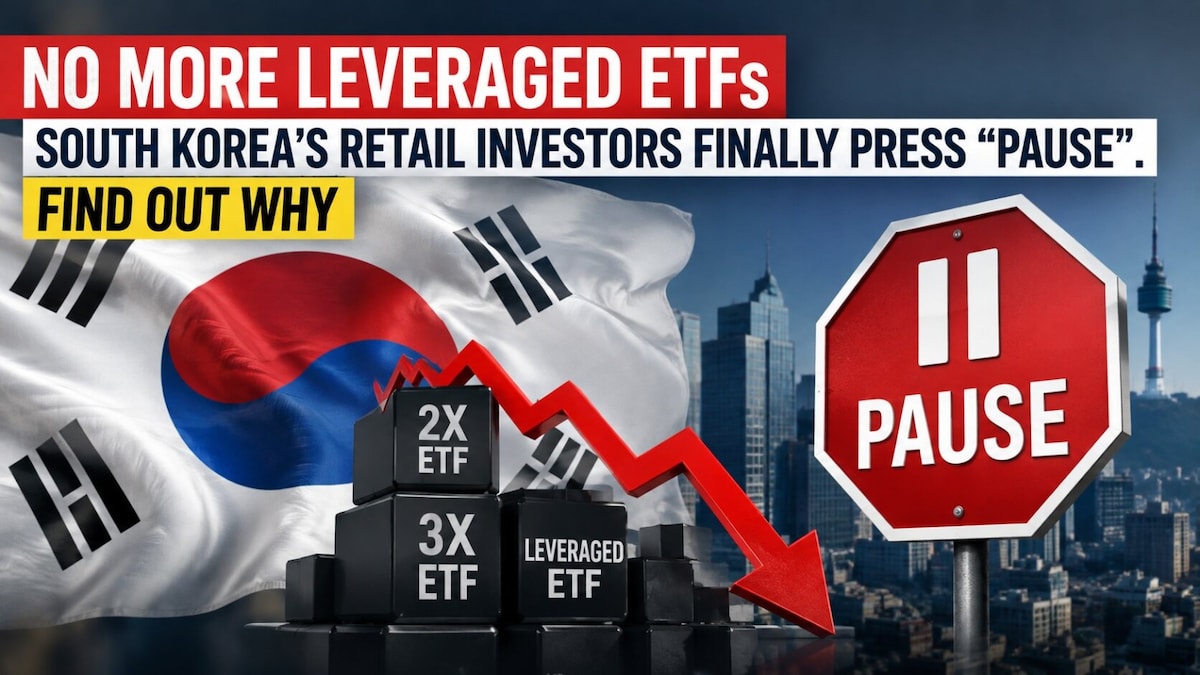
In South Korea, regulators are tightening rules on these risky ETFs because they can cause big market swings.
Even with limits, a sudden big drop can still hurt the banks.
Some experts worry that the growing use of these complex insurance contracts could make the financial system less stable.
The banks say the contracts help them manage risk, while critics say the added leverage and hidden risks could be dangerous.
The whole situation shows how new financial products can create both opportunities and risks for banks and investors.

Leveraged ETFs double or triple daily stock returns, exposing banks to large tail risk.
Banks hedge this risk with exotic “crash puts” that pay when a stock drops 50%+ in one day.
Demand for crash puts has surged, with yields up to 20% and high premiums from banks such as Goldman Sachs and BNP Paribas.
South Korean regulators have tightened retail leveraged‑ETF rules amid volatility, but banks still face gap risk even with circuit breakers.
Critics warn that the growing complexity and leverage of crash‑put markets could threaten financial stability.
- Who
- Banks such as Goldman Sachs, BNP Paribas, Barclays, Citigroup, and other financial institutions
- What
- The use of exotic crash‑put contracts to hedge leveraged ETF risk
- Where
- Primarily in the United States and South Korea, with South Korean regulators tightening rules
- When
- Surge noted in 2024, with bank emails in May and June
- Why
- To protect banks from large losses when leveraged ETFs experience sharp one‑day drops in underlying stocks
Key facts
- Product type
- Crash put
- Yield range
- 14.2%–20%
- Key banks
- Goldman Sachs, BNP Paribas, Barclays, Citigroup
- Market size
- $200 B peak (2024)
- Regulation
- South Korea retail curbs on leveraged ETFs
Quotes
Ramon Verastegui
founder and chief investment officer at Kairos Investment Advisors
“"These products are very efficient, back‑to‑back risk‑transfer tools, therefore banks are trying to develop the crash‑put market in order to hedge all these leveraged ETFs."”
 livemint.com
“"Banks are all super keen to trade to hedge their risks and the yield is extremely attractive."”
livemint.com
Sources
Related news

South Korea’s Leveraged ETFs Turn Stock Market Into Fright Ride
Korean Traders Turn to Risky ELS for 50% Coupons
Mock-Trading Rules Cool South Korea’s Leveraged Chip ETF Frenzy

Korea Volatility Spike Ebbs as Leveraged Trades Flushed Out

Leveraged ETF Rotation Fuels 30% Jump in Korea Small Caps

AI Week: Chip Breakthroughs, Brain Surgery and Quantum Campus
South Korean Investors Shift $7 Billion Into U.S. Stocks

Sensex, Nifty Face Cautious Monday Outlook Amid Global Cues

Netlist Stock Surges 650% as AI Demand Boosts Memory Business
