2 hrs ago
Climate Signals Forecast Kerala Dengue Risk Months Ahead

Scientists studied dengue cases and weather conditions in Kerala.
They found that temperature, humidity, rainfall and El Nino can provide clues about future dengue outbreaks.
Some clues appear as early as five months before cases reach their highest levels.
Dengue cases in Kerala usually increase in May and peak in June and July.
Moderate warmth, humidity and monsoon rainfall were linked with higher risk.
Very heavy rain may briefly lower risk by washing away mosquito eggs and larvae.
A computer model predicted much of the variation in dengue cases.
Health officials could use these warnings to prepare hospitals and control mosquitoes earlier.
Global warming could make dengue risk higher in the future.

A Kerala-focused study found that climate conditions and El Nino can signal dengue risk up to five months before cases peak.
Kerala recorded 7,188 confirmed dengue cases from June through August 2026, 60 percent above the 2016–2025 average.
Dengue cases usually begin rising in May and peak during June and July, with nearly 60 percent occurring during the Southwest Monsoon.
Researchers developed a machine-learning model that explained 72 percent of the variation in dengue incidence.
The study projects climate-driven dengue incidence in Kerala could rise 16–20 percent by 2040 and 46–113 percent by the end of the century, depending on emissions.
- Who
- Researchers from the Indian Institute of Tropical Meteorology, the National Institute of Translational Virology and AIDS Research, and collaborating institutions studied dengue in Kerala.
- What
- The study found that climate signals and El Nino conditions can help predict dengue risk months before cases peak.
- Where
- Kerala, India, with El Nino conditions measured over the tropical Pacific Ocean.
- When
- The research analysed 14 years of monthly data; Kerala recorded 7,188 confirmed cases during June–August 2026.
- Why
- Early warnings could help health authorities strengthen mosquito control, prepare hospitals and reach vulnerable communities before seasonal outbreaks.
Key facts
- Study location
- Kerala, India
- Early-warning period
- Up to five months before dengue cases peak
- 2026 reported cases
- 7,188 confirmed cases during June–August
- Model performance
- Explained 72 percent of variation in dengue incidence
- Higher-risk conditions
- Pre-monsoon temperatures of about 30.5–32.5°C, humidity of 66–79 percent, and monsoon rainfall of around 180–450 mm per month
- Projected increase by 2040
- 16–20 percent compared with the recent past
- Projected end-of-century increase
- 46 percent under low emissions to 113 percent under a very high-emissions pathway
Quotes
The study
The research findings reported by the study’s authors
“Humidity and the difference between day- and night-time temperatures can provide indications up to five months ahead. Temperature and El Nino conditions provide two to three months of lead time, while monsoon rainfall acts as an immediate signal.”
 theprint.in
Sreelakshmi P R
ICMR-NITVAR researcher
“It is a call for routine surveillance to move beyond dengue case counts alone and step up to integrated surveillance that includes region-specific climate signals”
theprint.in

Roxy Mathew Koll
IITM researcher and study co-leader
“Climate signals can give us a head start by several months. Combined with health and mosquito surveillance, they can help us intensify vector control, prepare hospitals and reach vulnerable communities before the seasonal surge.”
theprint.in
Sources
Related news
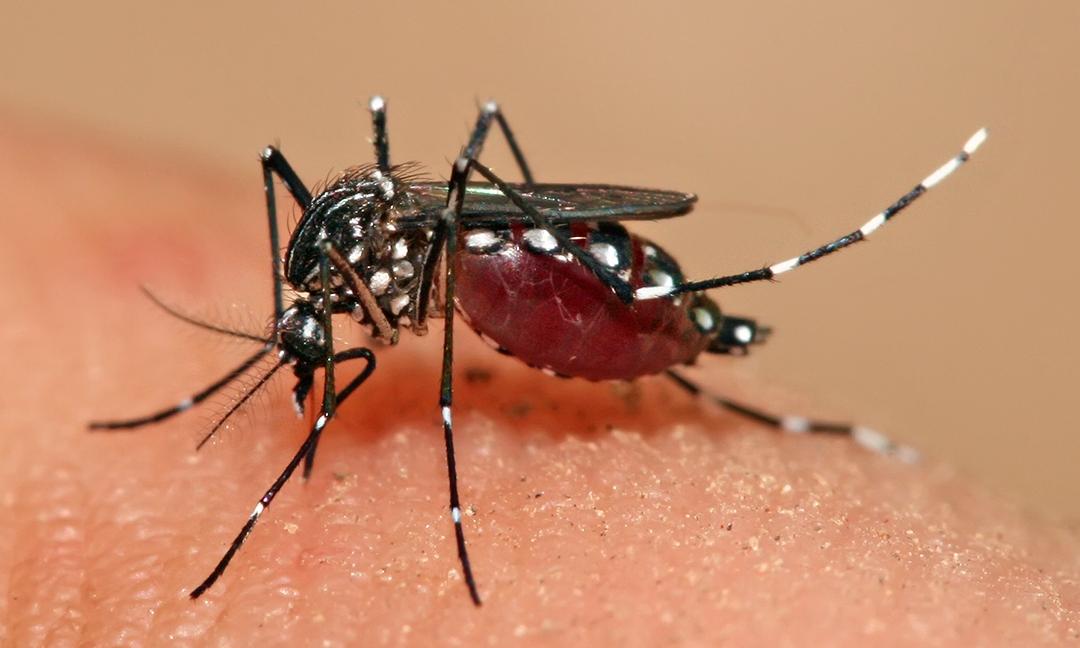
Doctors Warn Dengue and Malaria Risks Continue Beyond Monsoon
West Bengal Dengue Cases Double As Monsoon Raises Health Concerns

Strong El Niño Threatens India’s Monsoon, Raises 2027 Heat Risk
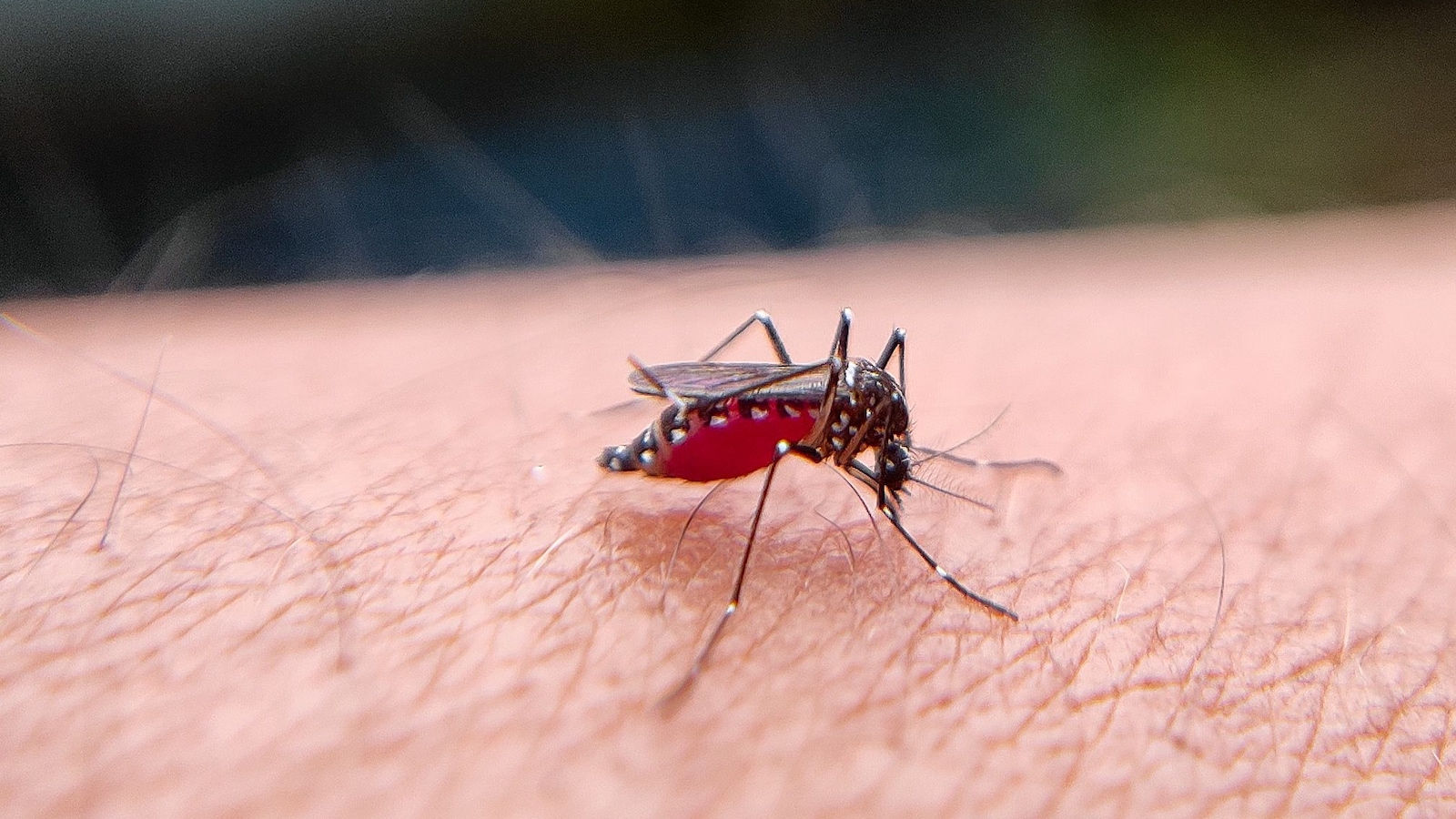
West Bengal Reports More Than 4,500 Dengue Cases This Year
Powerful El Niño Could Make 2027 Hottest Year
ICMR Chief Warns Dengue Mosquitoes Breed Around Homes