

6 days ago
Rahul Gandhi Criticises Modi Government Over Chandra Repayment Plan

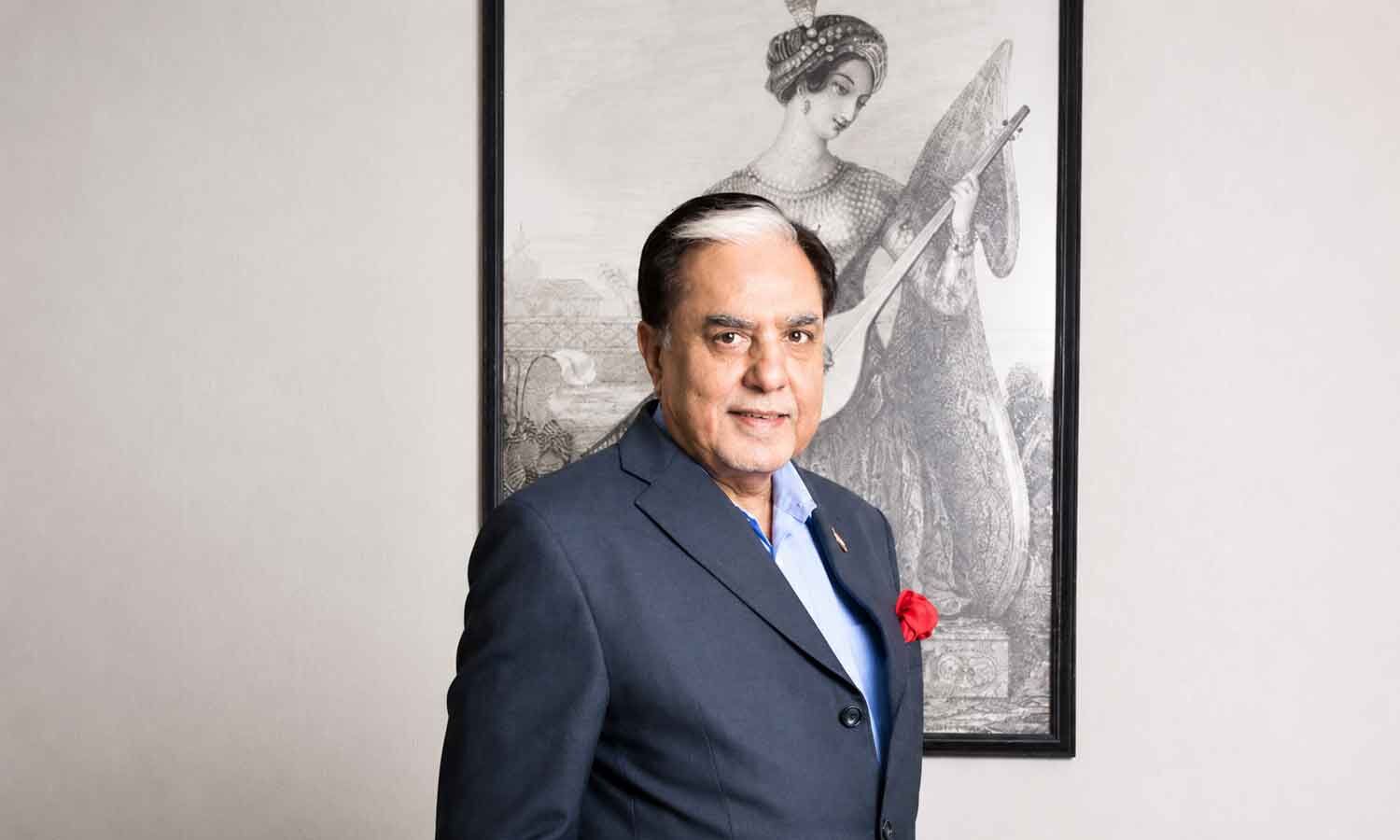
A tribunal approved a plan for Subhash Chandra to repay some money to his creditors.
The plan would give them about ₹6.5 crore, even though their accepted claims total about ₹22,006.57 crore.
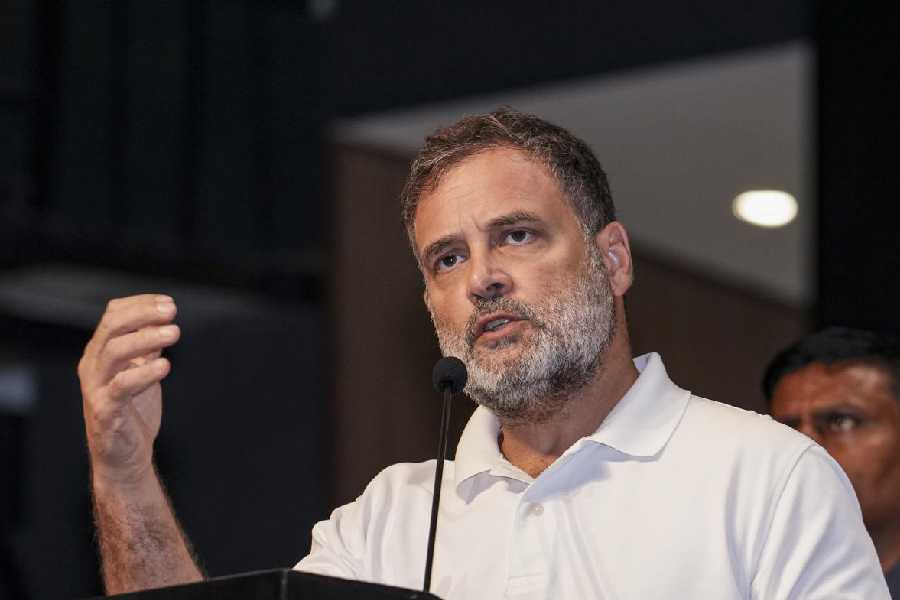
Rahul Gandhi criticised the decision and said ordinary people are treated more harshly when they cannot repay loans.
He compared this with the treatment of wealthy and influential people.
One lender, LIC Housing Finance, was offered about ₹38 lakh on a claim of nearly ₹1,322.39 crore.
Most voting creditors supported the plan.
The tribunal said it could not replace the creditors’ business decision if the plan followed insolvency law.
It also said rejecting the plan might lead to even less money being recovered.

The National Company Law Tribunal approved Subhash Chandra’s repayment plan, offering creditors around ₹6.5 crore against admitted claims of approximately ₹22,006.57 crore.
Rahul Gandhi said the decision showed what he called a “two-system” model favouring influential individuals over farmers and salaried borrowers.
LIC Housing Finance, which had an admitted claim of nearly ₹1,322.39 crore, was offered approximately ₹38 lakh under the plan.
The proposal received 80.81% approval from creditors, while opponents represented less than 20% of the voting share.
The insolvency case arose from Chandra’s personal guarantee for a ₹170-crore loan to Vivek Infracon, with proceedings initiated by Indiabulls Housing Finance in 2022.
- Who
- Congress leader Rahul Gandhi, Subhash Chandra, his creditors, and the National Company Law Tribunal.
- What
- The NCLT approved a repayment plan under which creditors may recover around ₹6.5 crore against admitted claims of approximately ₹22,006.57 crore.
- Where
- India, before the National Company Law Tribunal.
- When
- The NCLT approved the plan after proceedings resumed in 2024; Gandhi commented on it in a post on X on Thursday.
- Why
- The tribunal found that the plan complied with the Insolvency and Bankruptcy Code and that rejecting it could result in lower recoveries.
Critics of the repayment plan
Tribunal and plan supporters
Fairness of the recovery
Critics of the repayment plan
Rahul Gandhi argued that the plan reflected unequal treatment, with ordinary borrowers facing severe recovery action while influential individuals receive favourable treatment.
Tribunal and plan supporters
The NCLT treated the plan as a creditor-backed commercial decision and said it could not substitute its own assessment if the proposal complied with the Insolvency and Bankruptcy Code.
Adequacy of the payment
Critics of the repayment plan
Lenders including LIC Housing Finance objected that the proposed recovery was inadequate; some creditors also questioned whether the ₹6.5 crore payment was a fixed amount.
Tribunal and plan supporters
The tribunal noted that the plan received 80.81% approval and that Chandra’s personal assets appeared worth considerably less than the proposed payment.
Rejection versus approval
Critics of the repayment plan
Opposing creditors sought to challenge a plan that would recover only a small fraction of admitted claims.
Tribunal and plan supporters
The NCLT said rejecting the plan and moving Chandra toward bankruptcy could produce even lower recoveries, depending on the assets available.
Key facts
- Approved repayment
- Around ₹6.5 crore
- Admitted claims
- Approximately ₹22,006.57 crore
- Estimated claims reduction
- Roughly 99.97%
- Creditor approval
- 80.81% of voting creditors
- LIC Housing Finance claim
- Nearly ₹1,322.39 crore
- LIC Housing Finance offer
- Approximately ₹38 lakh
- Underlying loan facility
- ₹170 crore
Sources
Related news
NCLT Clears Subhash Chandra’s ₹6.5 Crore Settlement Plan

NCLT Approves Subhash Chandra’s ₹6.5-Crore Repayment Plan
Calls grow to challenge Subhash Chandra’s steep creditor haircut
NCLAT to Hear Creditors’ Challenge to Chandra Repayment Plan

NCLT Approves Subhash Chandra’s Rs 6.5-Crore Repayment Plan

How Chandra’s ₹6.5 Crore Repayment Plan Survived NCLT Scrutiny
Putin Faces Western Isolation While Russia Builds Non-Western Ties
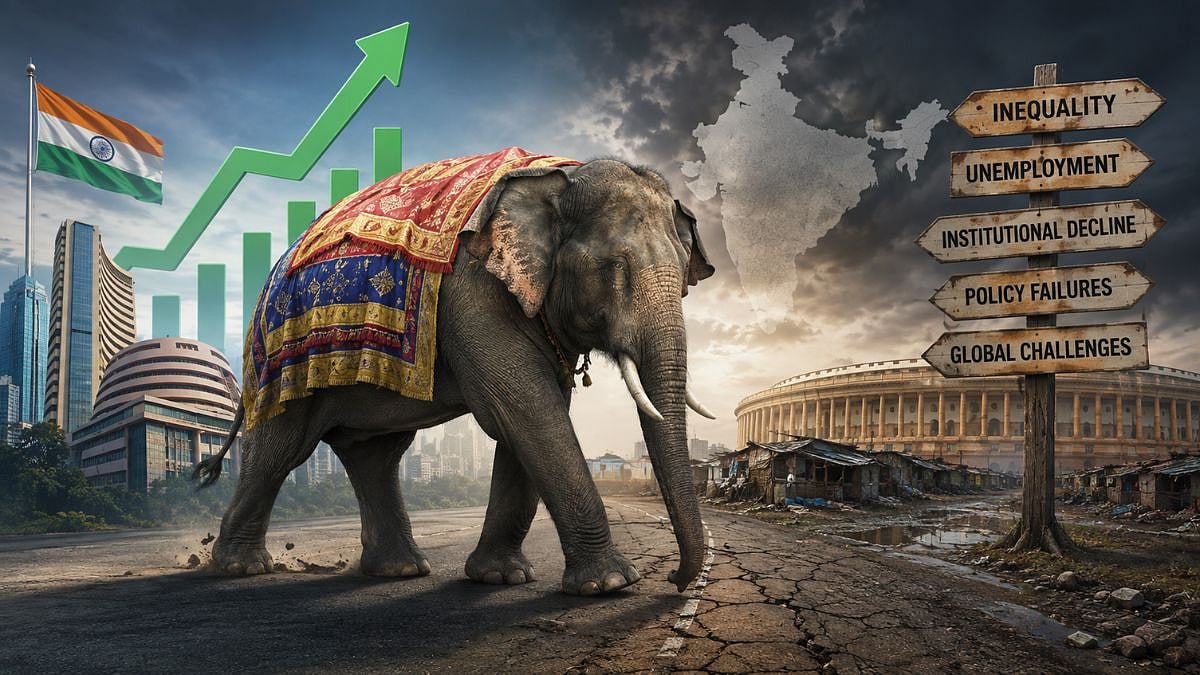
India’s Global Power Ambitions Face Economic and Democratic Setbacks
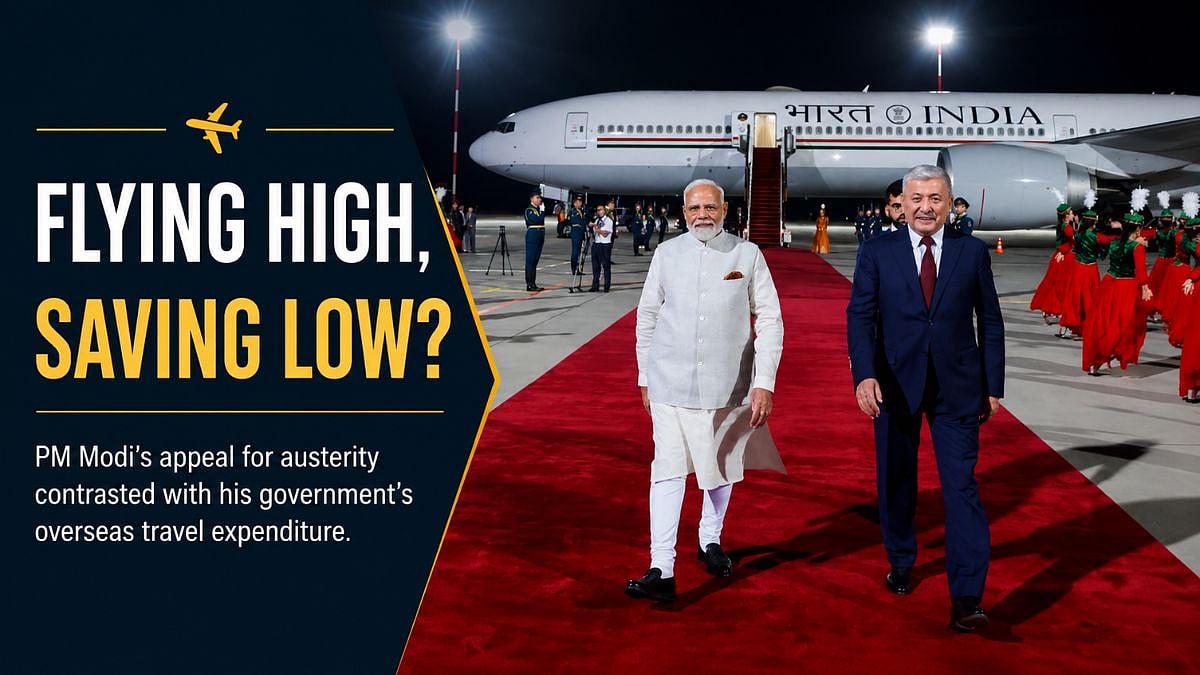
Modi’s Frugality Appeal Contrasts With Extensive Foreign Travel
Modi Sets Roadmap for Collaborative, Water-Secure India’s Future
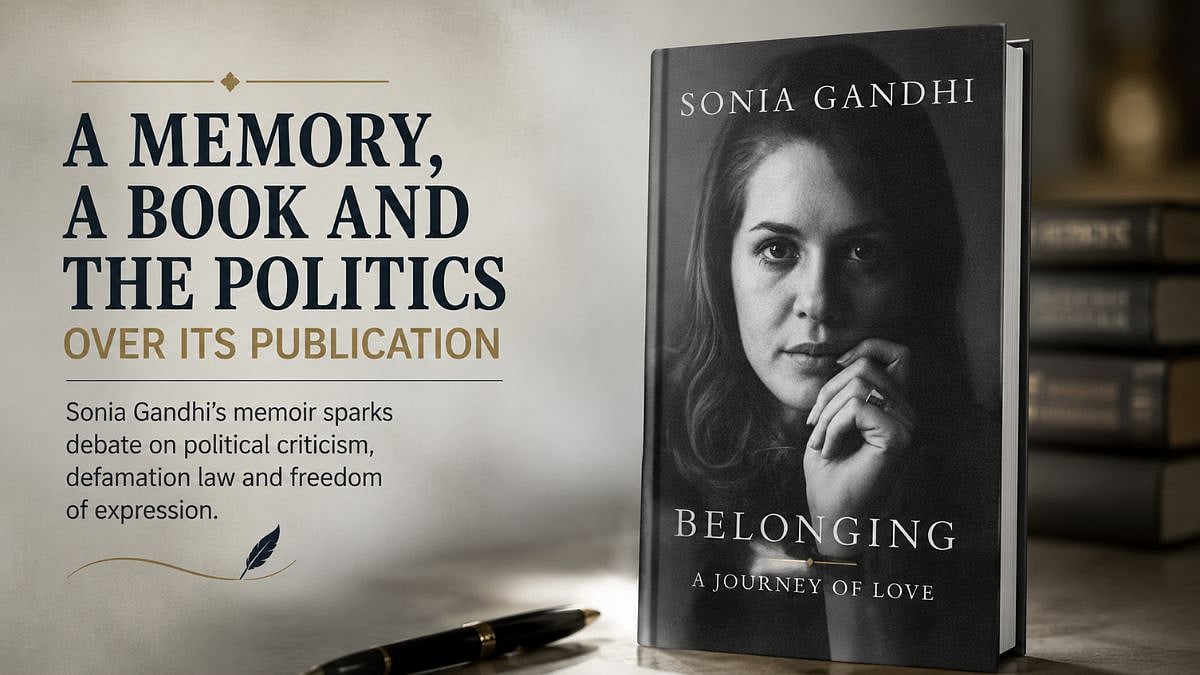
Sonia Gandhi Memoir Sparks Debate Over Politics, Publishing And Speech
