

1 hr ago
Asim Munir Reportedly Considers Dividing Pakistan Into Smaller Provinces
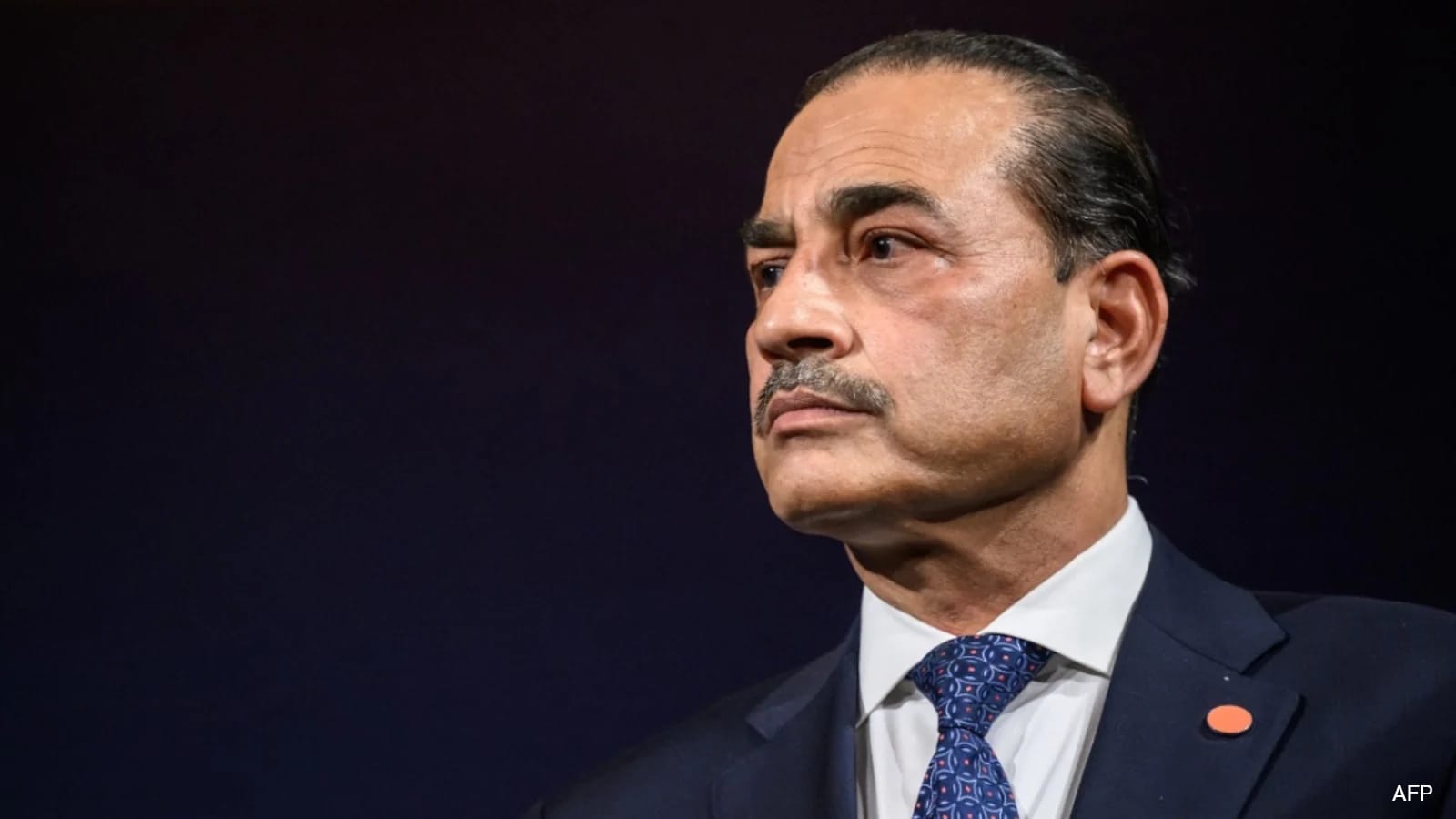
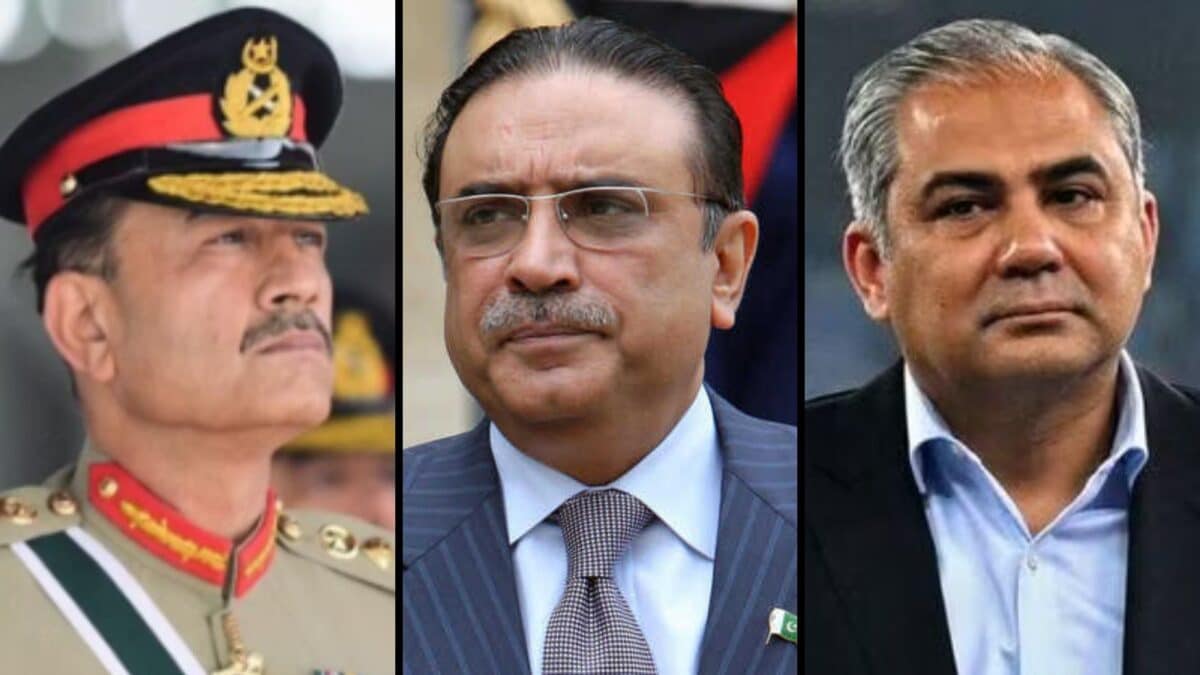
Pakistan has four large provinces, and a report says its army chief, Asim Munir, may want to divide them into many smaller areas.
Some people say smaller areas could be easier to govern.
Critics worry the change could make it harder for provinces to act independently.
They think it might give the military-led central government more influence over local politicians.
The report says Punjab and Sindh have long-standing political parties that provide some alternative centers of power.
It also says Munir has gained substantial political influence.
The plan has been reported, but the articles do not say it has been adopted.

A report by The Economist says Pakistan’s military chief Asim Munir may seek to replace the country’s four provinces with 12, 15, or even 160 smaller units.
Supporters of redrawing the map argue that the existing provinces are too large to govern effectively.
Critics say smaller units could weaken provincial power centers and make politicians more answerable to the military-led centre.
The report describes Punjab and Sindh as important political counterweights, associated respectively with the PML(N) and the PPP.
The article says Munir has consolidated power, while former prime minister Imran Khan is jailed and protests supporting him face restrictions.
- Who
- Pakistan’s military chief Asim Munir is reportedly considering the plan; The Economist’s report and its critics raise concerns about it.
- What
- A reported proposal to replace Pakistan’s four provinces with 12, 15, or as many as 160 smaller units.
- Where
- Pakistan.
- When
- The proposal is discussed in a report published at the time of the article; no specific date for the plan is given.
- Why
- Munir reportedly argues that the existing provinces are too large to govern well; critics suspect the plan could weaken provincial power and increase the central government’s influence.
Case for smaller administrative units
Concerns about weakening provincial power
Governance
Case for smaller administrative units
Munir reportedly argues that Pakistan’s provinces are too large to be governed effectively, and reformers have long called the arrangement unwieldy.
Concerns about weakening provincial power
Critics argue that the province-splitting plan may not improve governance and could instead make local politicians more responsive to the central government.
Political checks on central power
Case for smaller administrative units
The reported rationale is that smaller units could help address the difficulties of governing large provinces.
Concerns about weakening provincial power
The Economist report says large provinces, especially Punjab and Sindh, have preserved alternative centers of power and may act as a counterweight to the centre.
Key facts
- Current provinces
- Punjab, Sindh, Khyber Pakhtunkhwa, and Balochistan
- Proposed number of units
- 12, 15, or as many as 160, according to the report
- Existing provincial arrangement
- The four provinces have remained unchanged since Pakistan’s creation in 1947, according to the article.
- Punjab population
- 128 million, according to the article
- Balochistan population
- 15 million, or about 6% of the national population, according to the article
- Political parties cited
- The PML(N) in Punjab and the PPP in Sindh
- Status of the proposal
- Reported as a possible plan; no implementation is described.
Sources
Related news
Pakistan Province Restructuring Debate Raises Costs and Patronage Concerns
Fazlur Rehman Condemns Pakistan’s Power Use and Political Lawlessness
Pakistan Leaders Weigh Emergency Measures Amid Khyber Pakhtunkhwa Crisis
Pakistan to Deploy Forces to Saudi Arabia Without Parliamentary Vote

Pakistan's PTI Protest Highlights Military-Civilian Power Struggle in Pakistan
Pakistan Weighs Emergency Rule as PTI Talks Collapse in KP
Pakistan Weighs Emergency Measures Before PTI Islamabad March
PML-N Names Najeeb Naqi Khan Candidate for PoK President

PoK Presidential Election Set for September 24 Amid Criticism
Zardari, Naqvi Discuss New Provinces Amid Pakistan Crisis
