

8 hrs ago
UPI Makes Informal Workers Visible, But Not More Secure
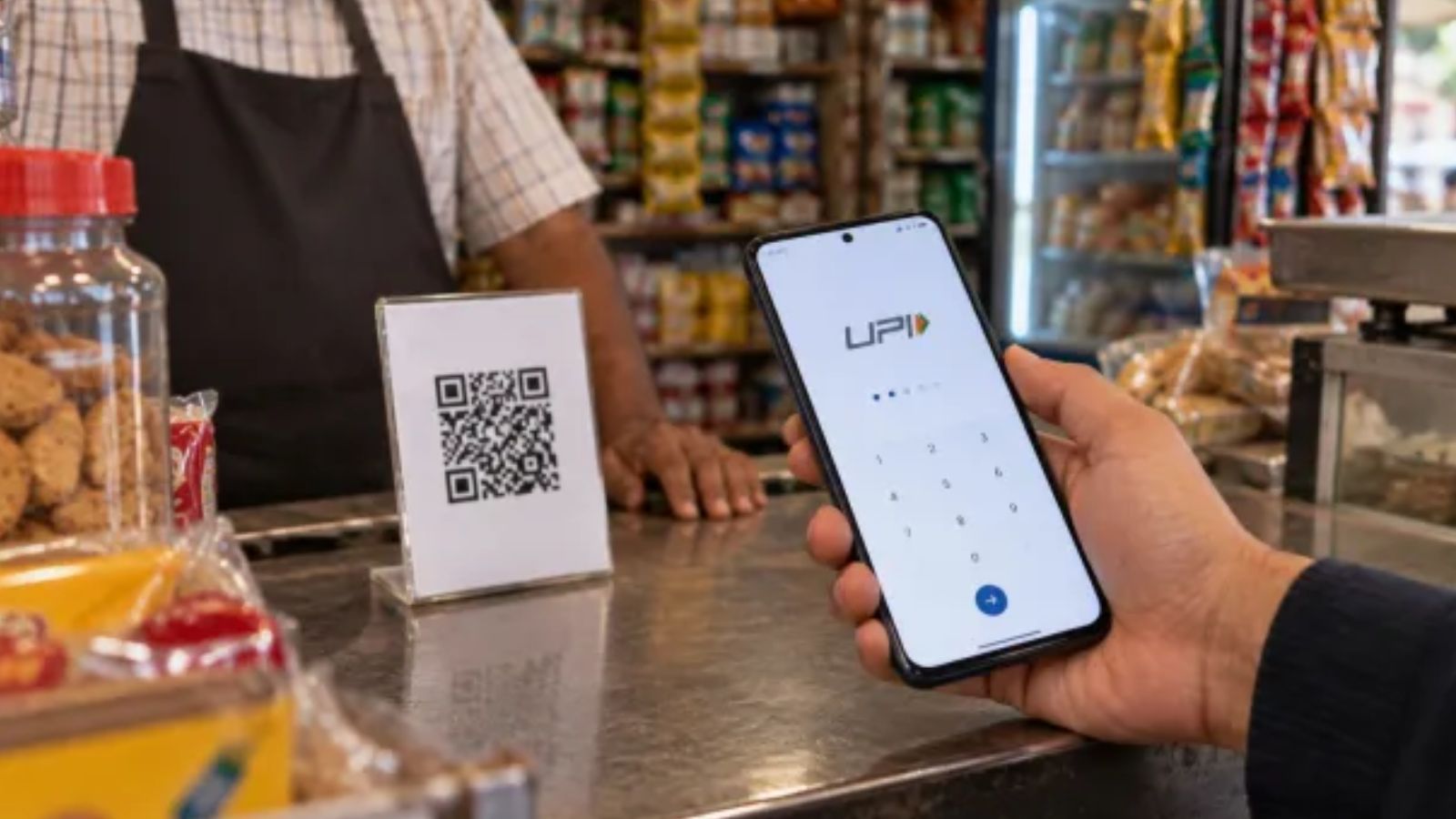
UPI lets people send and receive money quickly using phones.
It has helped many small sellers avoid handling cash.
However, using digital payments does not automatically give workers pensions, secure jobs, or guaranteed earnings.
Banks, lenders, companies, and the government can see more of a worker’s financial activity.
This information may be used to decide whether someone can borrow money.
Gig workers can also be judged by ratings and computer systems without knowing how decisions are made.
The author says workers need stronger protections and a way to negotiate collectively.
UPI can be useful, but it should not be treated as a replacement for labor rights.

The 2026 amendment preserves free UPI payments for ordinary users and peer-to-peer transfers.
A 0.4% MDR will apply to large merchant transactions above Rs 2,000 from October 15, with a cap above Rs 75,000.
UPI has expanded access to digital payments, but most informal workers still lack pensions, minimum earnings, and bargaining power.
Transaction data is increasingly used for alternative credit scoring, with limited meaningful consent from workers.
The article calls for portable social security, enforceable gig-worker earnings, auditable algorithms, data rights, and collective representation.
- Who
- India’s informal workers, small merchants, banks, fintech companies, platforms, and policymakers are involved.
- What
- The article assesses UPI’s benefits and argues that its expansion has increased workers’ visibility without providing matching economic security.
- Where
- India.
- When
- The Lok Sabha passed the amendment in 2026; the new MDR is scheduled to take effect on October 15. The article also refers to a gig-worker strike at the end of 2025.
- Why
- The government and payment industry are renegotiating how UPI is funded, while digital payments and transaction data increasingly shape informal and platform work.
Digital Payments Benefits
Worker Security Concerns
Impact of UPI
Digital Payments Benefits
UPI lowers transaction costs, enables instant settlement, reduces reliance on cash, and helps small vendors receive payments without traveling to a bank.
Worker Security Concerns
UPI makes workers traceable and taxable but does not itself provide pensions, enforceable minimum earnings, or bargaining power.
MDR policy
Digital Payments Benefits
Keeping ordinary users, peer-to-peer transfers, and small merchants free while charging large merchants a limited MDR protects low-margin vendors and may improve the payment system’s commercial sustainability.
Worker Security Concerns
The subsidy and MDR redesign affect vendors’ daily commerce, yet the decision was made without adequate consultation with worker or vendor representatives.
Digital data and platform work
Digital Payments Benefits
Transaction records can help people without collateral access alternative lending, while instant settlement has helped gig and delivery platforms expand.
Worker Security Concerns
Workers’ data may be used with little meaningful consent, and algorithmic ratings and account decisions can be imposed without transparency or a right to contest them.
Key facts
- Monthly UPI activity
- More than 2,300 crore transactions worth Rs 30 lakh crore were recorded in one month in 2026.
- UPI merchants
- Around 60 million merchants accept UPI payments; 90% have annual turnover below Rs 20 lakh.
- New MDR
- A nominal 0.4% Merchant Discount Rate applies to transactions above Rs 2,000, capped at Rs 300 above Rs 75,000.
- Effective date
- The threshold-based MDR is scheduled to begin on October 15.
- Informal workers
- Roughly nine in 10 Indian informal workers use UPI, according to the article.
- Gig-work projection
- Platform workers are estimated to rise from 7.7 million in 2020-21 toward 23.5 million by 2029-30.
- Worker representation
- The 22-member committee that decided the MDR included banks and payment companies but no worker or vendor representative body.
Sources
Related news

India Must Preserve Zero MDR As UPI Expands Nationwide
India Debates MDR Charges to Sustain UPI Payment Revolution

UPI Charges Debate Grows as MDR Framework Opens Higher Payments
India Weighs Selective UPI Fees to Sustain Digital Payments Growth
Centre Rejects Foreign Pressure Claims Over New UPI Charges
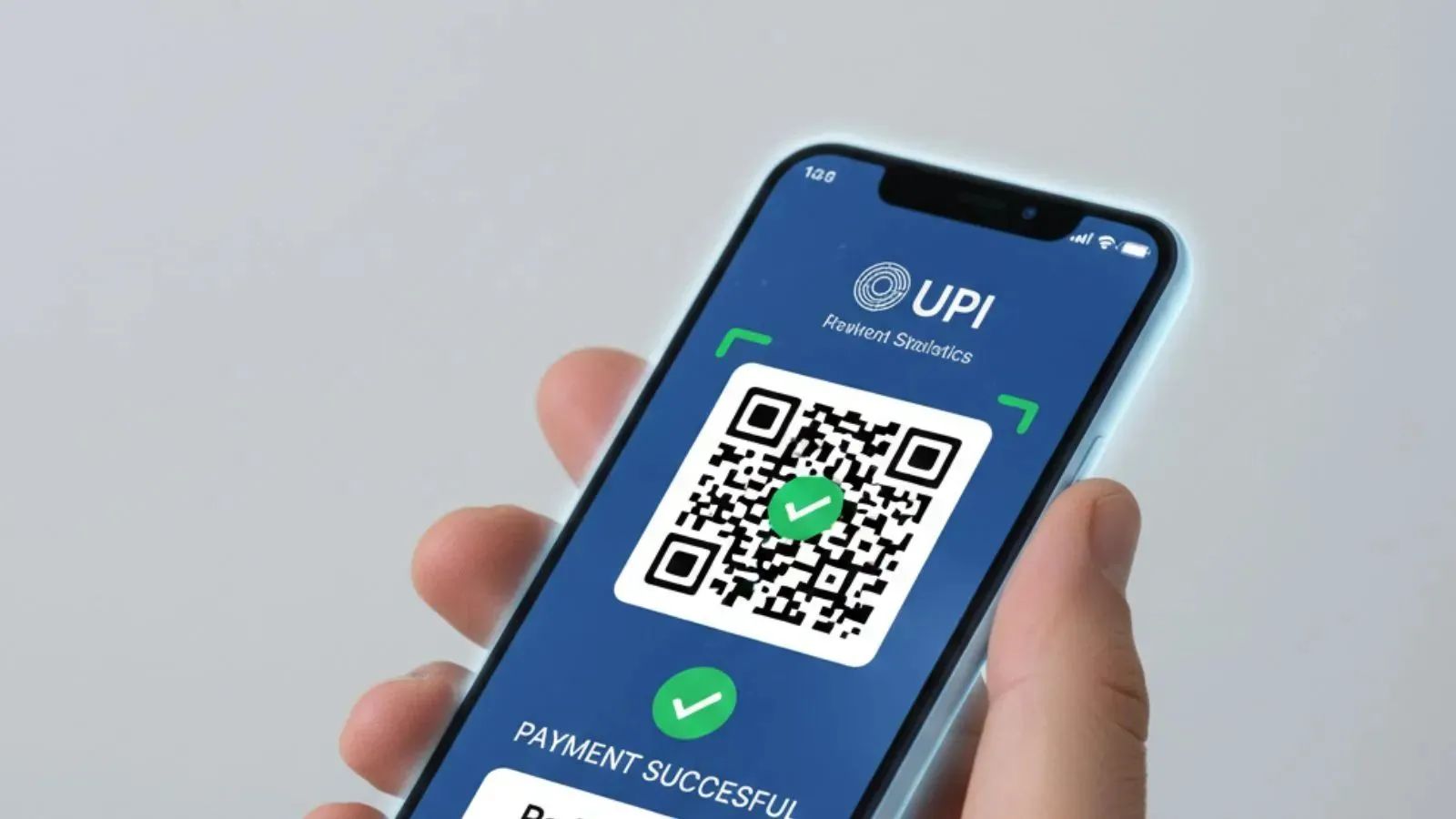
Keep UPI Free by Funding It From Savings
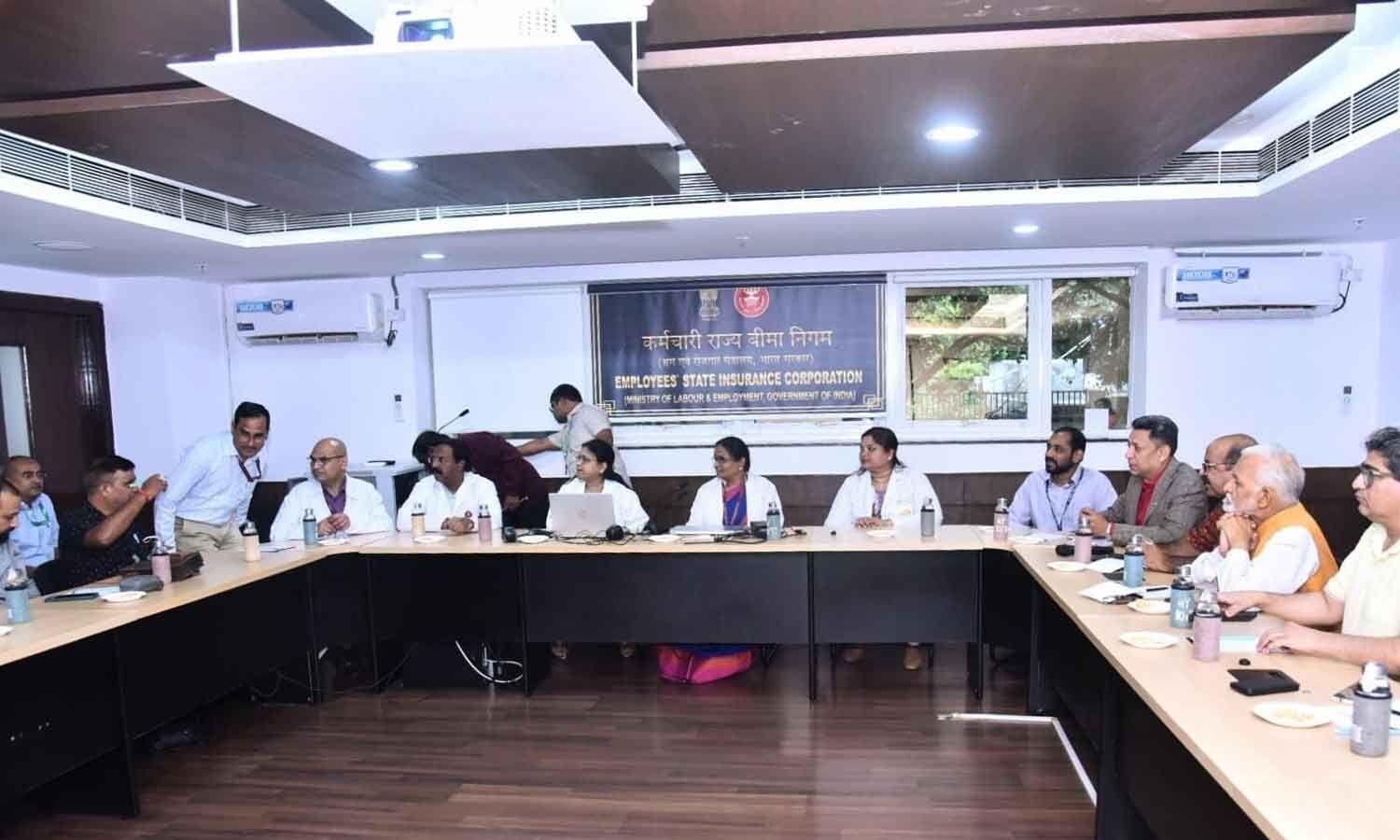
ESIC Sanath Nagar Hospital Expands as Workers’ Healthcare Hub

Minister assures joint meeting on hamali wage hike

Rajasthan High Court Orders ESIC Certificate for NEET Student

ESIC Launches Technology Crackdown On ₹2,473 Crore Unpaid Contributions
