8 months ago
Mysterious 7-hour gamma-ray burst baffles scientists in 2025
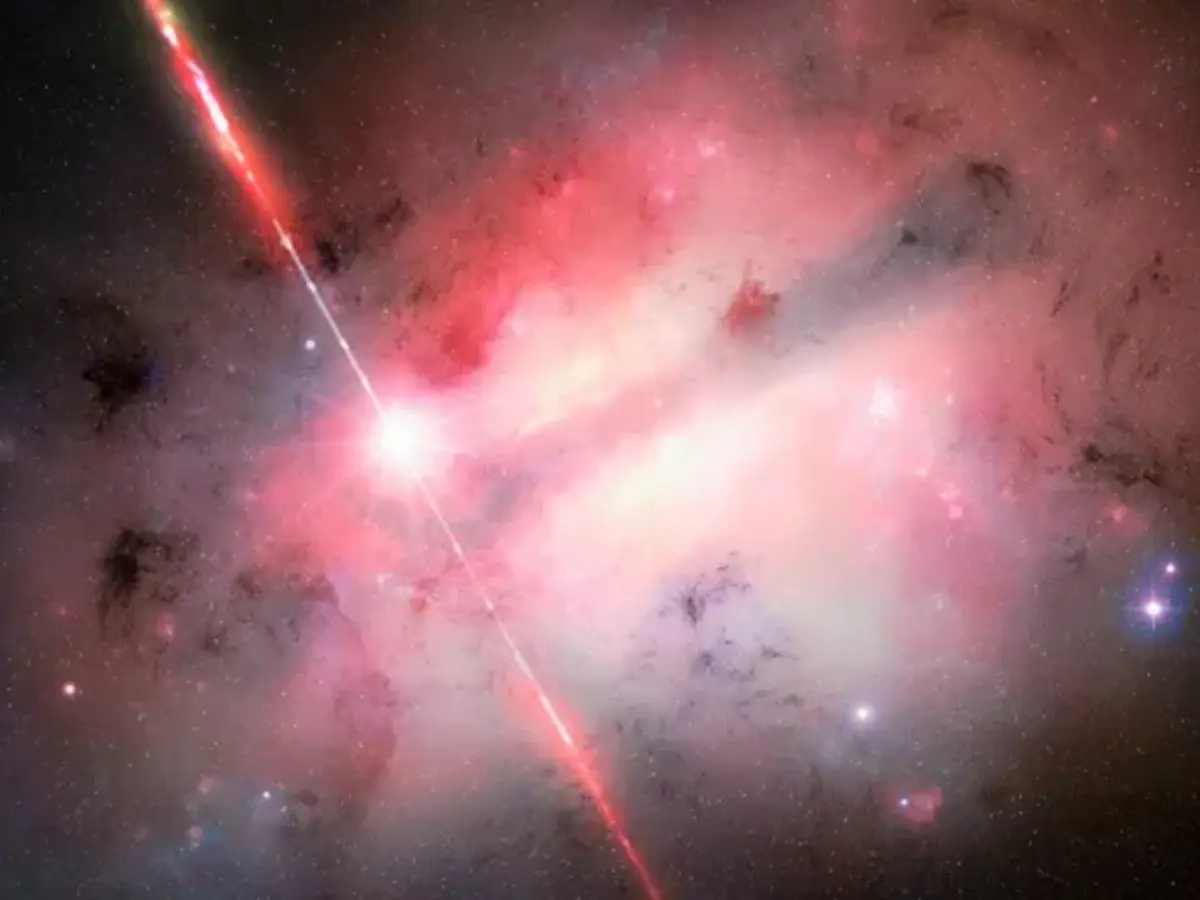
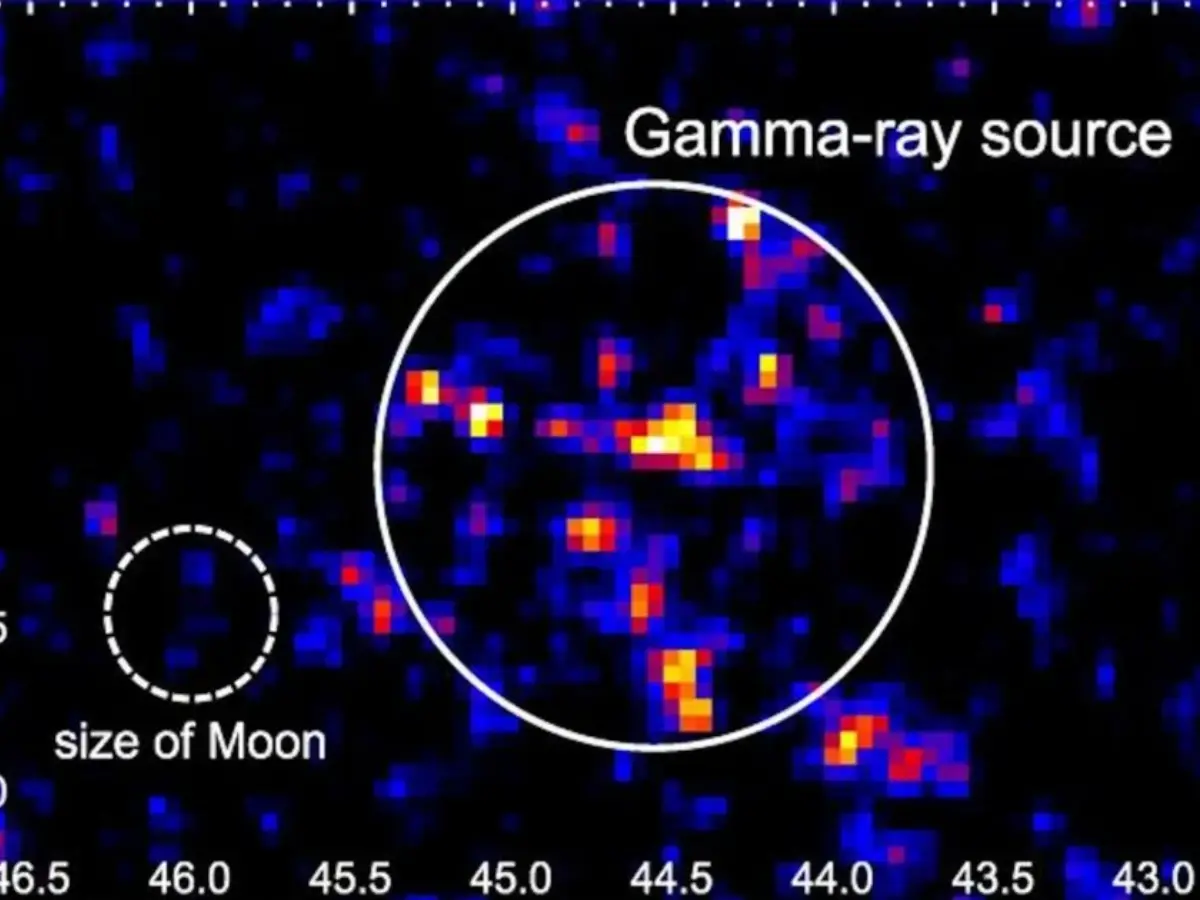
In July 2025, scientists detected a very unusual and long-lasting gamma-ray burst (GRB) in deep space.
This burst, named GRB 250702B, lasted for about 7 hours, which is much longer than typical GRBs.
It came from a galaxy far away, about 8 billion light-years from Earth.
The burst was so strong that it sent cosmic material towards our solar system.
Scientists used some of the most powerful telescopes on Earth and in space to study it.
However, because the burst came from behind a thick cloud of dust, they could only see it in infrared and high-energy X-ray light, not in ordinary visible light.
The scientists are not sure what caused this burst.
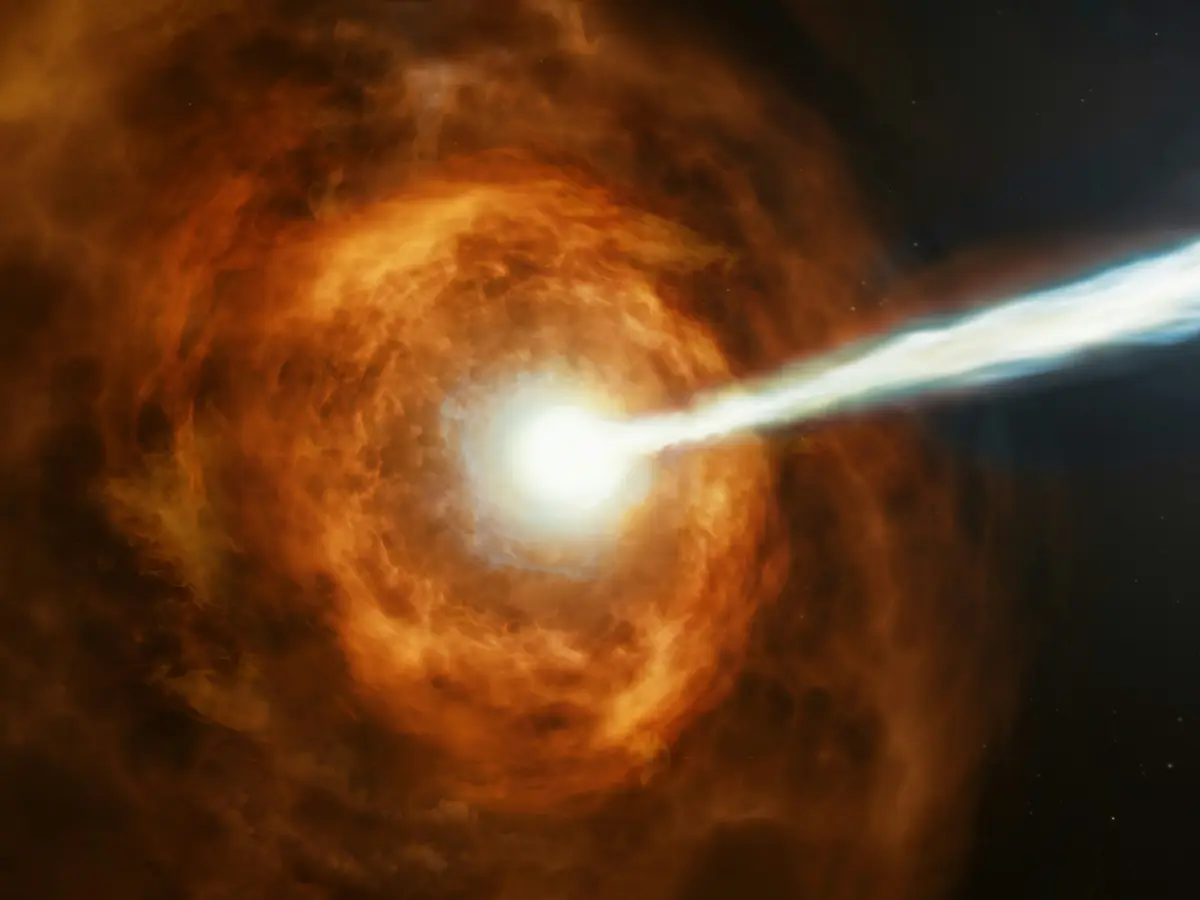
They think it might have been the death of a massive star, a black hole eating a star, or a helium star merging with a black hole.
They need more information to figure out which explanation is correct.
This event is now the longest gamma-ray burst ever recorded, and it will help scientists study similar events in the future.

NASA's Fermi Gamma-ray Space Telescope detected an unusually long gamma-ray burst (GRB 250702B) on July 2, 2025, lasting about 7 hours.
The burst originated 8 billion light-years away in a dusty galaxy, making it the longest GRB ever recorded.
Scientists used multiple advanced telescopes to observe the event in various wavelengths of light, including infrared and high-energy X-rays.
The cause of the GRB remains uncertain, with possible explanations including the death of a massive star, a black hole consuming a star, or a helium star merging with a black hole.
GRB 250702B will serve as a reference point for future similar events, as it does not fit existing models for gamma-ray bursts.
- Who
- NASA's Fermi Gamma-ray Space Telescope and various ground-based telescopes
- What
- A 7-hour gamma-ray burst (GRB 250702B) with an unknown origin
- Where
- Originated 8 billion light-years away in a dusty galaxy, detected from Earth
- When
- Detected on July 2, 2025, with observations published on November 26, 2025
- Why
- The cause of the GRB remains uncertain, with scientists proposing three possible explanations
Key facts
- Event Name
- GRB 250702B
- Detection Date
- July 2, 2025
- Duration
- 7 hours (on and off)
- Distance
- 8 billion light-years
- Speed
- At least 99% the speed of light
- Observation Tools
- Fermi Gamma-ray Space Telescope, Gemini telescopes, Very Large Telescope, Keck Observatory, Hubble Space Telescope
- Publication Date
- November 26, 2025
- Journal
- The Astrophysical Journal Letters
Quotes
Jonathan Carney
Lead author of the study on GRB 250702B
“This was the longest gamma-ray burst that humans have observed — long enough that it does not fit into any of our existing models for what causes gamma-ray bursts.”
 wionews.com
“GRB 250702B will now act as the primary event to which similar future occurrences will be compared.”
wionews.com