

58 mins ago
Book Examines Social Media’s Role in India’s Hate-Speech Epidemic

Harsh Mander’s book looks at how hateful messages spread online in India.
It describes political advertisements that attacked religious minorities and opposition leaders.
Some of these advertisements were posted by hidden accounts linked to the Bharatiya Janata Party.
A study said these accounts spent a large share of political-advertising money on Meta’s platforms.
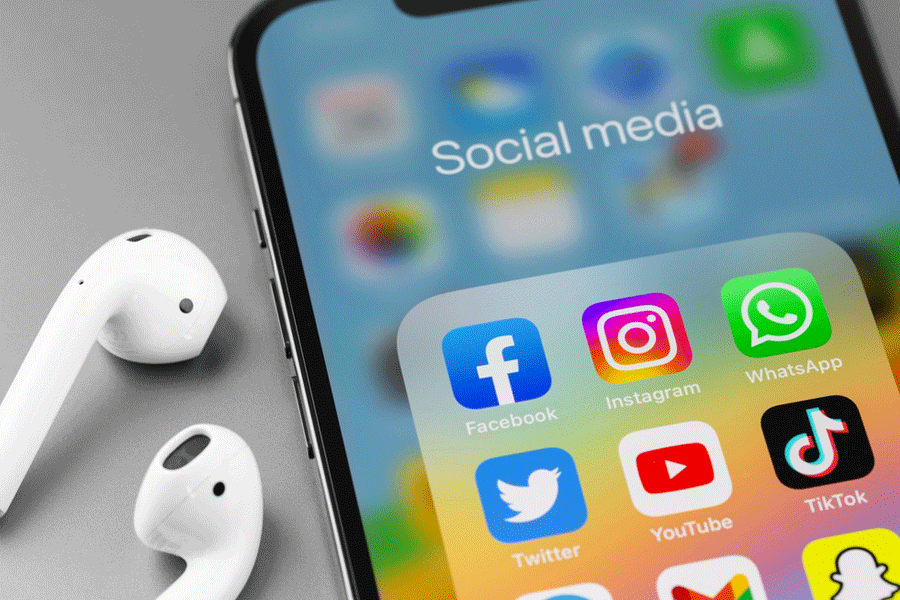
The book also says that WhatsApp groups and YouTube channels can spread rumors and divisive messages to many people.
Researchers cited in the book believe this can influence how people think and vote.
Social-media companies earn money when people watch advertisements or live streams.
The book argues that stronger oversight is needed to limit harmful political content and protect democratic debate.

A Tech Justice Law Project study found BJP-linked shadow advertisers dominated political advertising on Meta during the 2024 Jharkhand election campaign.
BJP-affiliated shadow accounts reportedly spent about 75% of all political-ad money on Meta and generated far more ads and views than official accounts.
The advertisements allegedly used inflammatory misinformation to target Muslims, Christians and opposition leaders, including Hemant Soren.
The book argues that platforms such as Meta, WhatsApp and YouTube have enabled the rapid spread of political propaganda, disinformation and hate speech.
Researchers cited in the book say India’s large digital audience and extensive WhatsApp and YouTube networks have transformed political communication.
- Who
- Harsh Mander, the Tech Justice Law Project, researchers and journalists cited in the book, the Bharatiya Janata Party and Meta are central to the account.
- What
- A book examines the spread and political consequences of hate speech, disinformation and undisclosed political advertising on social media in India.
- Where
- India, including Jharkhand, Haryana and Karnataka, across Meta, WhatsApp and YouTube.
- When
- The discussion includes the 2024 Jharkhand assembly election, the 2024 general election period and studies conducted in 2022 and 2024.
- Why
- The book argues that inexpensive digital access, large online networks and weak platform oversight have enabled political propaganda and hateful content to reach large audiences.
Key facts
- Book
- It Started with Words: The Epidemic of Hate Speech in New India
- Author
- Harsh Mander
- Study
- Tech Justice Law Project analysis of the 2024 Jharkhand assembly elections
- Meta advertising share
- BJP and affiliated shadow accounts represented about 75% of political-ad spending on Meta in the study
- Reported BJP Meta spending
- Approximately Rs 2.25 crores during the three months before the Jharkhand election
- Online news consumption
- A 2024 Reuters Institute study cited in the article found that around 50% of people in India get news from social media
- YouTube reliance
- The same study found that 54% of those social-media news users rely solely on YouTube
Quotes
Tech Justice Law Project report
Researchers whose report studied political advertising on Meta during the 2024 Jharkhand elections.
“Social media, particularly Meta, has turbocharged the options available for bad actors in political campaigns, all while earning handsome profits. It does this primarily in two ways. One, it has severely reduced the cost and scrutiny of running political ads on its platforms. Second, it has allowed for a certain kind of content (hate speech, dog-whistling, negative stereotyping of marginalised communities) to get quick mass distribution that is clearly disallowed as per democratic norms.”
 scroll.in
Pranav Jeevan
Research scientist cited in an essay about propaganda through social media.
“can threaten democracy by spreading disinformation, manipulating public opinion, undermining democratic institutions, and threatening privacy and security”
scroll.in
Rajdharma reporter
Reporter covering Hindu-Muslim violence in Haryana for the Rajdharma channel.
“Tell me one thing, wherever Hindus are in a majority and Muslims are in a tiny minority, we, Hindus, do everything to make them [Muslims] feel like kings. Why do you guys threaten and intimidate Hindus, why do you trouble them so much?”
scroll.in
Sources
Related news
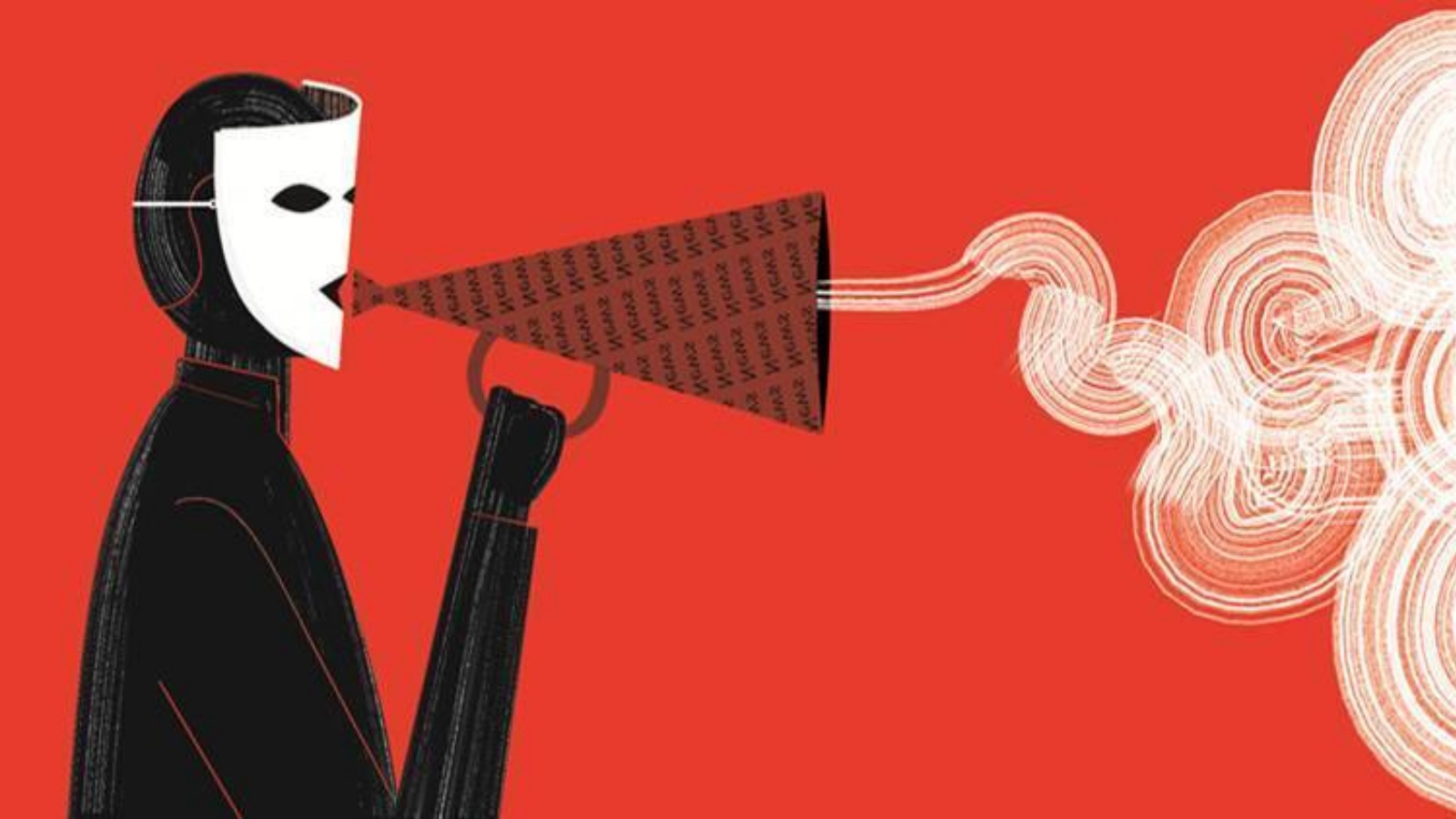
Opinion Warns BJP Abuse Is Replacing India’s Republic of Ideas
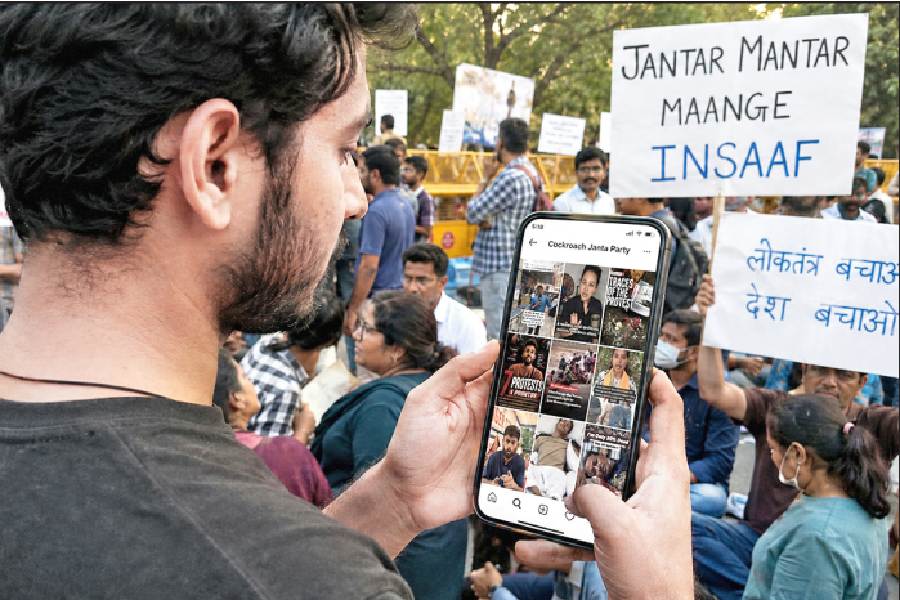
Creators and Algorithms Reshape India’s Political Communication Ecosystem
Government sent social media blocking orders every 68 seconds
BJP Pakistani Song Video Sparks Nationalism Hypocrisy Row

Meta Removes Scam Ads After India Flags Porn Malware Bait
India’s Digital Blocking Orders Raise Fresh Free Expression Concerns

OpenAI Faces Lawsuits Alleging ChatGPT Encouraged Self-Harm and Suicide
