3 days ago
Proposed UPI Fees Above Rs 2,000 Versus Credit Cards
A new rule would make some large UPI payments cost merchants money.
Payments of exactly Rs 2,000 would still have no UPI MDR.
Payments above Rs 2,000 would have a 0.4% charge.
The merchant, not the customer, would pay this charge.
The fee would never be more than Rs 300 for one transaction.
Credit-card payments usually cost merchants more, between 1.5% and 2.5%.
For example, a Rs 10,000 UPI payment would cost the merchant Rs 40, while a credit-card payment could cost Rs 150-Rs 250.
Customers would continue paying the purchase amount shown by the merchant.

Starting October 15, eligible UPI merchant payments above Rs 2,000 will face a 0.4% MDR.
The UPI charge will be paid by merchants, while customers must not be charged extra.
The UPI MDR will be capped at Rs 300, reached at a payment of Rs 75,000.
Credit-card MDR typically ranges from 1.5% to 2.5%, according to the article.
For a Rs 1 lakh payment, UPI would cost Rs 300 versus roughly Rs 1,500-Rs 2,500 by credit card.
- Who
- The National Payments Corporation of India is introducing the proposed framework; merchants would pay the charge and customers would not.
- What
- A 0.4% Merchant Discount Rate would apply to eligible person-to-merchant UPI payments above Rs 2,000, subject to a Rs 300 cap.
- Where
- For eligible UPI person-to-merchant payments in India.
- When
- Starting October 15.
- Why
- The framework would introduce a merchant cost for larger UPI transactions and compares that cost with typical credit-card charges.
Key facts
- UPI rate
- 0.4% of eligible payments above Rs 2,000
- Threshold
- A payment of exactly Rs 2,000 attracts no MDR
- Maximum UPI fee
- Rs 300 per transaction
- Fee cap reached
- At a payment value of Rs 75,000
- Customer liability
- Customers are not required to pay the MDR
- Credit-card MDR
- Typically about 1.5% to 2.5%, though rates can vary
- Rs 10,000 comparison
- Rs 40 through UPI versus approximately Rs 150-Rs 250 by credit card
Sources
Related news

New UPI MDR Rules Keep Consumers Free, Charge Eligible Merchants

UPI MDR Begins October 15, Merchants Face Charges, Customers Don’t
UPI Payments Above ₹2,000 Face New Merchant Fee

UPI Sets 0.4% MDR on High-Value Merchant Payments
UPI MDR Will Target Specified Merchant Payments Above ₹2,000
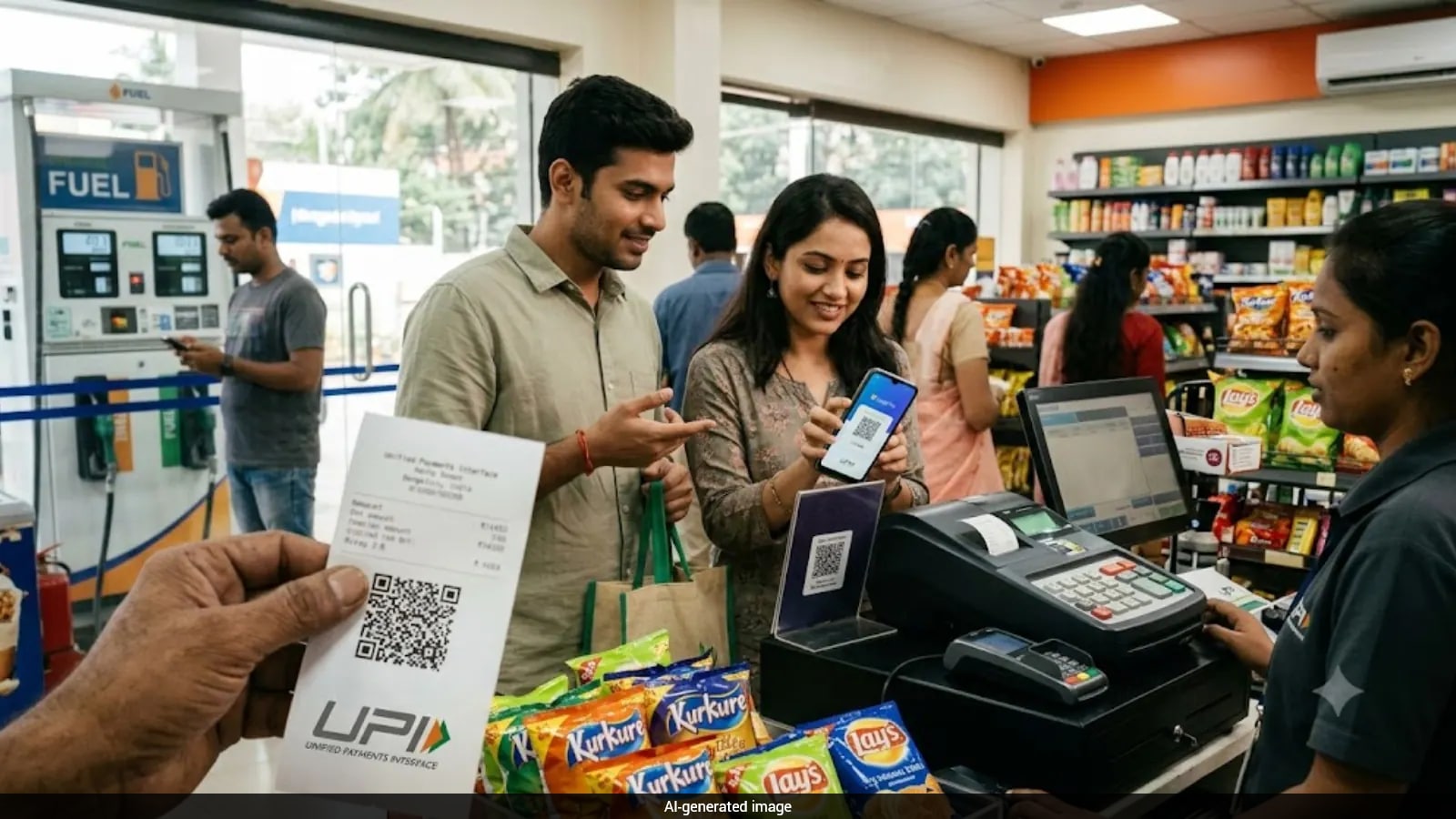
UPI Merchant Charges Above Rs 2,000, Consumers Remain Exempt
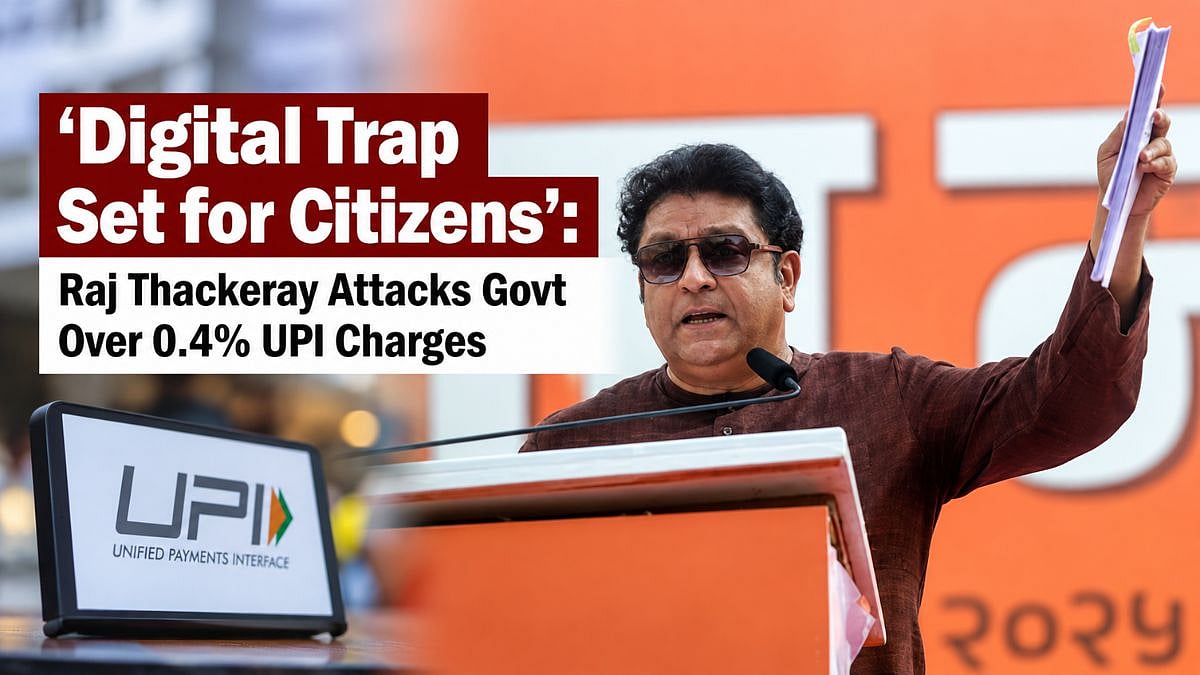
Raj Thackeray Calls New UPI Fee a Digital Trap

UPI Expands Across 13 Countries for Indian Travellers

UPI MDR Changes Trigger Merchant Pushback and Stockbroker Concerns

Congress questions timing of candidate's arrest before Nandigram bypoll

Chandni Chowk Traders Question Timing of UPI MDR Fee