1 week ago
Iran War Puts U.S. Refining System Under Unprecedented Pressure
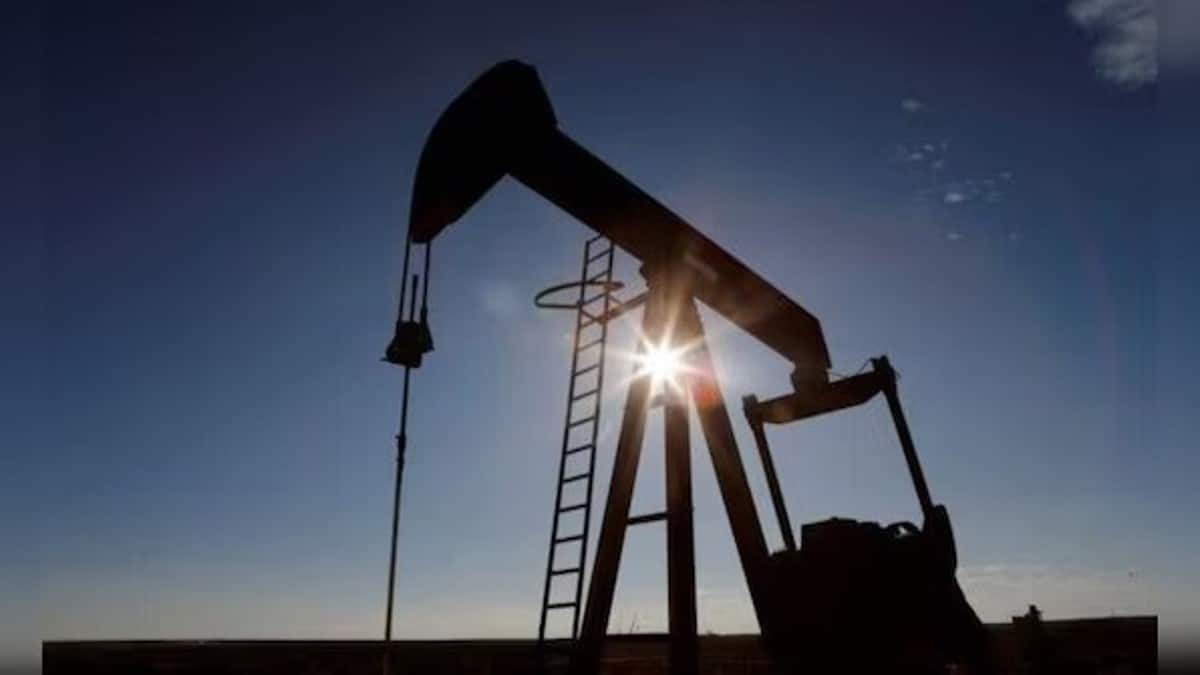
The war involving Iran has disrupted fuel production around the world.
Refineries turn crude oil into products such as gasoline, diesel and jet fuel.
Many U.S. refineries are working at more than 95% capacity to supply fuel to other countries.
This has made large companies very profitable.
However, running factories so hard can wear out their equipment.
Some companies have delayed important maintenance to keep producing fuel.
If a refinery breaks down unexpectedly, it may be difficult for other countries to replace its output.
That could make fuel more expensive and worsen inflation.
The United States has become an especially important backup supplier for the global fuel market.

U.S. refineries have operated above 95% capacity for 11 consecutive weeks, the longest such stretch in more than 25 years.
Global refinery output was about 81 million barrels per day in July, roughly 5 million below the previous year.
Record fuel exports, especially diesel, have helped the United States fill supply gaps as refining capacity declines elsewhere.
Some refiners have postponed maintenance until late 2026 or 2027, increasing the risk of equipment failures and unplanned shutdowns.
A major U.S. refinery outage could worsen global fuel shortages, raise gasoline, diesel and jet-fuel prices, and intensify inflation.
- Who
- U.S. refiners, global fuel markets, and major companies including Valero, Phillips 66, Marathon Petroleum and ExxonMobil.
- What
- U.S. refineries are operating at exceptionally high rates to offset global refining disruptions, increasing the risk of failures and fuel shortages.
- Where
- The pressure is centered on U.S. refineries but affects global fuel markets, particularly after disruptions involving the Strait of Hormuz, Russia and the Middle East.
- When
- Since the Iran war began; U.S. refinery utilization has exceeded 95% for 11 consecutive weeks, while global output data cited in the article cover July.
- Why
- War-related disruptions have reduced global refining capacity, while high refining margins encourage U.S. companies to postpone maintenance and continue operating at maximum rates.
Maximum production
Maintenance and reliability
Whether refiners should keep operating at extreme rates
Maximum production
High refining margins and global fuel shortages create a strong incentive for U.S. refiners to maximize production and exports.
Maintenance and reliability
Continuing at exceptionally high utilization while postponing maintenance could trigger equipment failures and unplanned shutdowns.
Effect of U.S. refining capacity on global markets
Maximum production
Higher U.S. output and record diesel exports are helping fill a worldwide fuel gap created by disruptions in Iran, Russia and the Middle East.
Maintenance and reliability
Because the global market has little spare capacity, a significant U.S. outage could make the global shortage worse and push fuel prices higher.
Key facts
- U.S. refinery utilization
- Above 95% for 11 consecutive weeks, the longest sustained period at that level in more than 25 years.
- Global refinery output
- About 81 million barrels per day in July, roughly 5 million barrels per day below the level a year earlier.
- Refining margins
- More than $50 per barrel on average since the conflict began, over twice the 10-year average.
- Maintenance delays
- Some scheduled refinery maintenance has been shifted to late 2026 or 2027.
- Global supply gap
- Global refining output is estimated to be about 2 million barrels per day below demand.
- U.S. exports
- Diesel exports have reached record levels as U.S. refiners supply international markets.
- Potential impact
- Unplanned U.S. outages could tighten gasoline, diesel and jet-fuel supplies and increase prices and inflationary pressure.
Sources
Related news
Refinery Attacks in Russia-Ukraine War Trigger Global Fuel Price Surge

Iran War Drives Record Global Oil Crisis Amid Conflicts

Oil Surges Above $90 as Hormuz Risks Intensify
World Oil Stocks Face Six-Month Survival Test Amid US-Iran War

Oil Rises as UAE-Iran Tensions Heighten Regional Energy Risks
Global refining crisis breaks crude oil's link to fuel prices

Trump Floats Renaming Strait of Hormuz as ‘Trump Strait’

Chevron Plans $7 Billion Venezuela Expansion Amid U.S. Oil Push
Saudi Arabia Says Iranian Tanker Attack Killed Two Sailors
U.S.-Iran Exchange Escalates Across Middle East, Markets Slide

Trump Aides Seek Quiet Iran War Before Midterm Elections