

3 weeks ago
Global refining crisis breaks crude oil's link to fuel prices
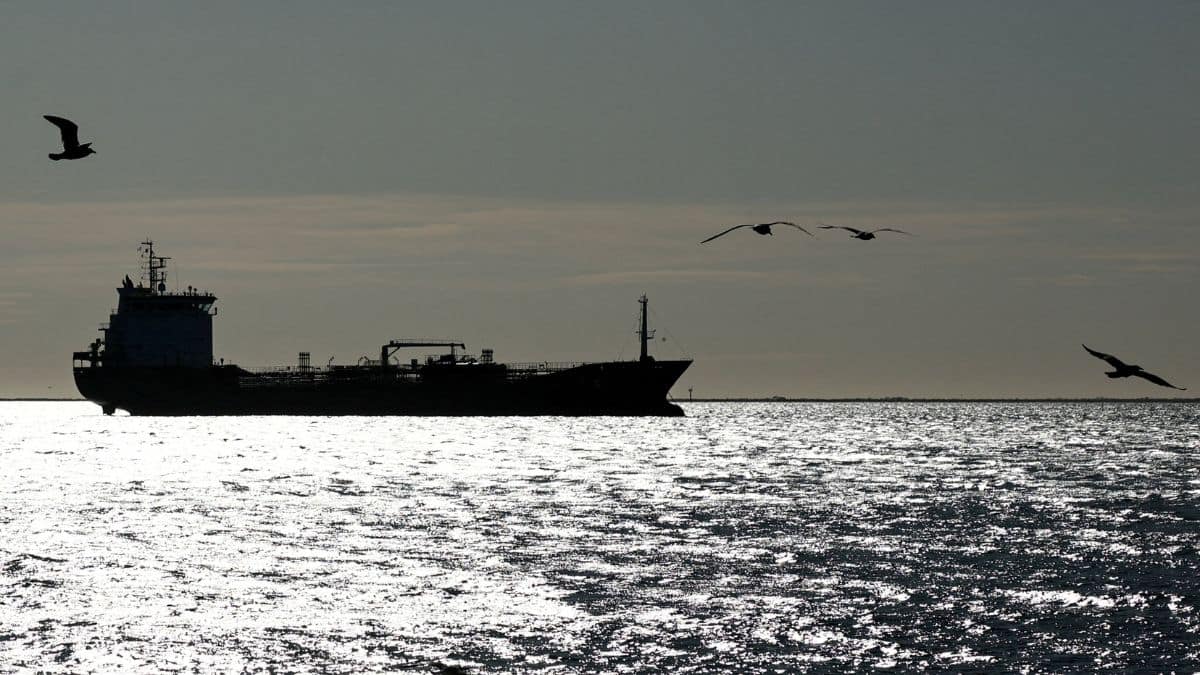
Crude oil is like the flour used to make bread, and petrol is like the bread.
Usually, if flour gets cheaper, bread gets cheaper too.
But bread is made in special factories called refineries.
Many of these factories are broken because of wars and fighting in faraway places.
Fixing a broken refinery takes many months, like rebuilding a whole kitchen.
So even though flour is cheap, there aren't enough bakeries making bread.
That means petrol and diesel stay expensive at the pump.
The factories that still work are earning extra money because their product is so valuable.
Building new refineries takes years, so this will not change quickly.
That is why car fuel can stay pricey even when oil prices fall.

Crude oil prices have fallen, but petrol and diesel prices remain elevated because of constrained global refining capacity.
Geopolitical conflicts in the Middle East and Europe have taken millions of barrels per day of refining capacity offline.
Damaged refineries cannot be restored quickly, with repairs often taking months due to infrastructure damage and equipment shortages.
The gap between crude oil prices and refined fuel prices has widened significantly, reflecting strong refining margins.
U.S. refiners are operating at or near full capacity and delaying maintenance to profit from strong refining economics.
- Who
- Global consumers of petrol and diesel, and refiners, especially those in the United States.
- What
- A global refining capacity crunch has broken the link between crude oil prices and fuel prices, keeping petrol and diesel expensive.
- Where
- Globally, with disruptions in the Middle East, Europe, and the Strait of Hormuz region.
- When
- In recent months, and identified as a major driver of fuel prices in 2026.
- Why
- Geopolitical conflicts have shut down refining capacity, and damaged or new refineries take months or years to restore or build.
Key facts
- Crude oil prices
- Fallen
- Petrol and diesel prices
- Remain elevated
- Refining capacity taken offline
- Millions of barrels per day
- Cause of disruptions
- Geopolitical conflicts in the Middle East and Europe
- Refinery repair timeline
- Often months
- U.S. refiners
- Operating at or near full capacity
- Shipping risk
- Uncertainty over Strait of Hormuz routes
- Refining company profitability
- Sharply increased
Sources
Related news
Refinery Attacks in Russia-Ukraine War Trigger Global Fuel Price Surge
Hidden crack spread indicator hits twice its normal level

Jefferies Sees 33% Reliance Industries Upside Amid Refinery Disruptions

Iran War Puts U.S. Refining System Under Unprecedented Pressure

Iran War Drives Record Global Oil Crisis Amid Conflicts

Indian Fuel Rates Steady as Crude Falls on Hormuz Deal Doubts

Ikea cuts European prices as cost pressures weaken demand

Europe's Bond Selloff Deepens as Middle East Tensions Lift Oil

China’s Rapid Car Development Faces Growing Safety Scrutiny
CNG Prices Rise Rs 2 per Kilogram in Pune

China Challenges US Leadership in Escalating Global AI Contest