3 weeks ago
Brokerage Stocks Fall 2.5% As Closing Auction System Triggers Volatility
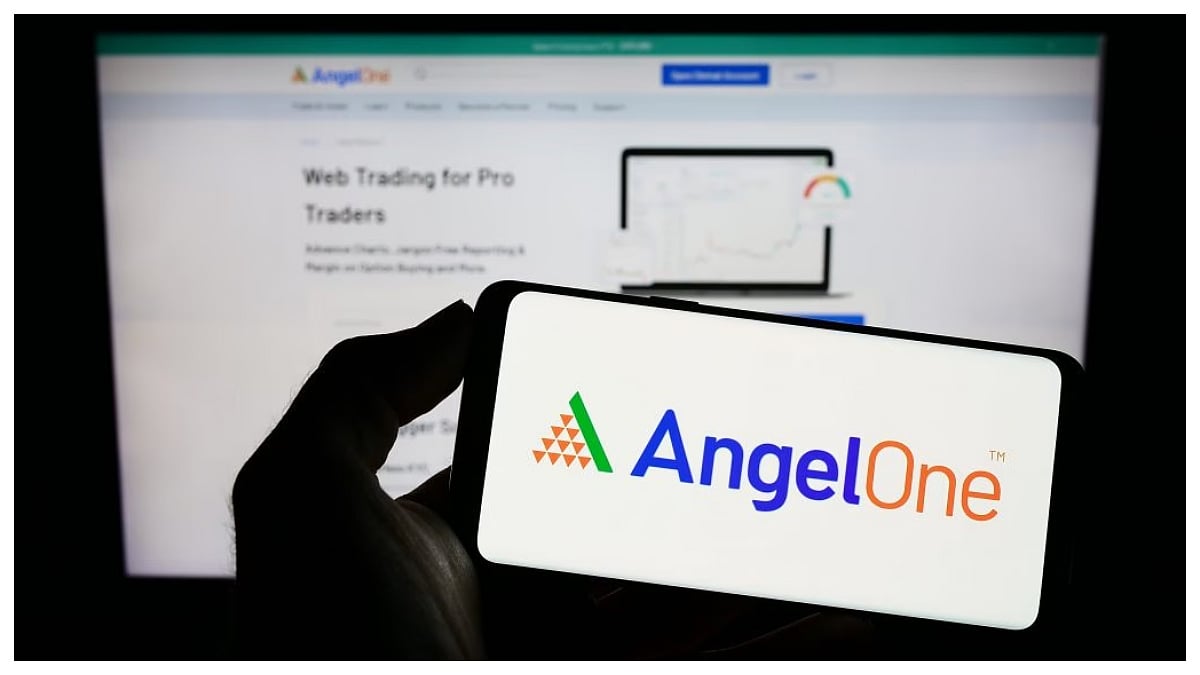
Some companies called brokerages help people buy and sell shares of other companies.
The stock exchange recently introduced a new rule for deciding the final price of a share when the market closes.
Under the old rule, the closing price was an average of prices during the last half hour of trading.
The new rule adds a special 20-minute window after normal trading ends, where final prices are set based on the price at which the most shares can be bought and sold.
The change made some big investors trade less because they were not used to the new system yet.
Because trading went down, the companies that earn money from trading saw their own share prices fall too.
Shares of Angel One fell about 2.4%, and shares of Motilal Oswal fell almost 1%.
The main stock market indexes, like Nifty and Sensex, moved up and down more than usual.
Experts think this is just a short adjustment period.
Once traders learn the new rule, the market should settle down and become calm again.

Shares of Angel One and Motilal Oswal fell on August 7 as BSE derivatives data showed trading turnover declining sharply after the new Closing Auction Session (CAS) was introduced.
Angel One shares declined about 2.4% to ₹290.1 per share, while Motilal Oswal Financial Services fell nearly 1% to ₹866.05.
FII/FPI turnover dropped from ₹26,27,935 crore on July 30 to ₹19,00,755.72 crore on August 7, and proprietary trading turnover also fell significantly.
The CAS adds a 20-minute closing window starting at 3:15 pm, with order submission ending randomly between 3:28 pm and 3:30 pm, replacing the old 30-minute average-price method.
The Nifty 50 showed sharp movements and divergence from the BSE Sensex, while Kotak Mutual Fund expects volatility to normalise as participants adapt.
- Who
- Brokerage firms Angel One and Motilal Oswal Financial Services, whose stocks declined, along with investors and market participants such as Kotak Mutual Fund.
- What
- Brokerage stocks fell up to 2.5% after BSE derivatives data showed a sharp fall in trading turnover following implementation of the new Closing Auction Session (CAS).
- Where
- The BSE derivatives segment in India, affecting benchmark indices including the Nifty 50 and BSE Sensex.
- When
- August 7, after the CAS mechanism was introduced on Monday for eligible stocks with derivatives contracts.
- Why
- The new closing price mechanism triggered market volatility and lower participation across FII, proprietary and other trading categories.
Volatility concern
Transitional adjustment
Cause of the market decline
Volatility concern
Market experts partly attribute the sharp fall in trading activity and increased index volatility to the introduction of the new closing price mechanism.
Transitional adjustment
Kotak Mutual Fund says temporary valuation fluctuations during the transition are expected and pricing inefficiencies should gradually decline as institutional participants adapt.
Outlook for trading activity
Volatility concern
Lower participation across FII, proprietary and other categories has sharply reduced turnover, which can hurt brokerage revenues.
Transitional adjustment
The reduced activity is an adjustment period while traders familiarise themselves with the mechanism, and market behaviour is likely to normalise over time.
Key facts
- Angel One share decline
- ~2.4% fall to ₹290.1 per share
- Motilal Oswal share decline
- Nearly 1% fall to ₹866.05
- FII/FPI turnover on July 30
- ₹26,27,935 crore
- FII/FPI turnover on August 7
- ₹19,00,755.72 crore
- Proprietary trading turnover on July 30
- ₹4,86,27,141.21 crore
- Proprietary trading turnover on August 6
- ₹2,33,49,282.97 crore
- CAS trading window
- 20 minutes starting at 3:15 pm; order submission ends randomly between 3:28 pm and 3:30 pm
- Stocks covered by CAS
- Eligible stocks with derivatives contracts; other stocks keep the previous closing price system
Sources
Related news

BSE Shares Fall as New Closing Auction Session Draws Scrutiny

Closing Auction Session Faces Volatility Despite Hopes For Stability

Cash Market Volumes Hit Five-Month Low Amid CAS Swings
India's Markets Fall as New Closing Auction System Unsettles Traders
Nifty closing price volatility eases on third day of auction

PVR Inox Buyback: September 3 Last Day to Buy

Indian Stocks Extend Three-Day Losing Streak as Oil Rises

Augmont Enterprises Rises Despite Gold-Buying Appeal and Market Risks

Spice Lounge Food Works Stock Hits Upper Circuit Amid Crash